Sewer Backup Water Removal in Lewisport, KY: What You Need to Know
Every year, heavy rainfall and snowmelt put the sewer system in Lewisport, KY to the test. With more frequent and intense storms, it’s not uncommon for sewer backups to occur, causing thousands of dollars in damage to homes and businesses. You’re not alone if you’re facing this issue. Our team has helped many homeowners in the area recover from sewer backup water removal.
With over 165 five-star reviews, you can trust our team to provide top-notch service. Homeowners in Lewisport, KY choose us for our expertise, professionalism, and commitment to getting the job done right.
- Don’t let sewer backup water removal leave you with a huge bill and a lot of stress. Our team will work quickly to extract the water and dry out your property, reducing damage and getting you back to normal as soon as possible.
- Our technicians are IICRC certified and equipped with the latest equipment to handle even the toughest sewer backup jobs. They’ll work efficiently to get your home or business back in shape.
- From start to finish, we’ll keep you informed and updated on the progress, so you know exactly what to expect. Our team is dedicated to providing exceptional customer service and ensuring your complete satisfaction.
How Sewer Backup Water Removal Works
When you experience a sewer backup, it’s essential to act fast to prevent further damage and potential health hazards. Our team’s process for sewer backup water removal is designed to get the job done quickly and efficiently, reducing disruption to your daily life.
Step 1: Assessment and Containment
Our technicians will arrive quickly to assess the situation and contain the spill, preventing further damage to your property. This includes sealing off affected areas and setting up equipment to remove the water.
Step 2: Water Extraction
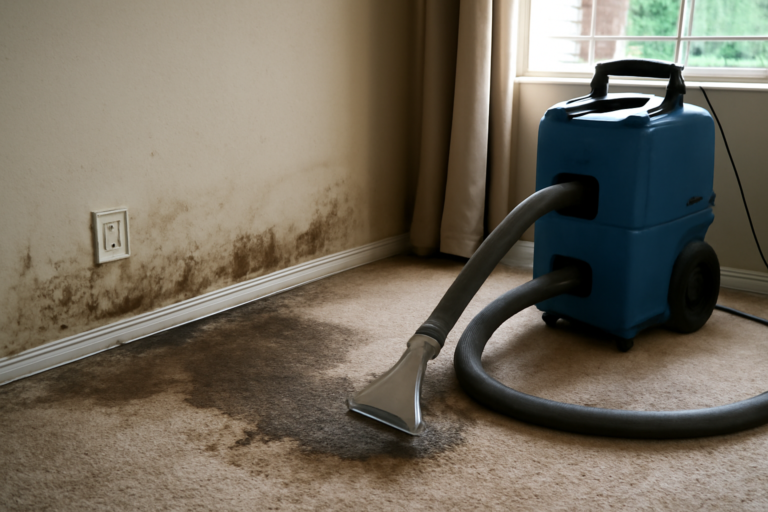
Using specialized equipment, our team will extract as much water as possible from your property, including carpets, padding, and other materials. This is a critical step, as standing water can lead to further damage and create an environment for mold and mildew growth.
Step 3: Drying and Dehumidification
Once the water is extracted, our technicians will use industrial-grade drying equipment to dry out your property, including walls, ceilings, and floors. This process can take anywhere from 3 to 5 days, depending on the severity of the damage and the size of the affected area.
Step 4: Cleaning and Sanitizing
After the drying process is complete, our team will thoroughly clean and sanitize all affected areas to prevent the growth of mold and mildew. This includes using specialized cleaning solutions and equipment to remove any remaining debris and contaminants.
Step 5: Restoration and Repair
Finally, our technicians will work with you to restore and repair any damaged areas, including replacing drywall, flooring, and other materials. This is where the real magic happens, as we’ll work with you to get your property back to its original condition.
Don’t wait any longer to get the help you need. Call us today to schedule an appointment and let our team get to work on restoring your property to its former glory.
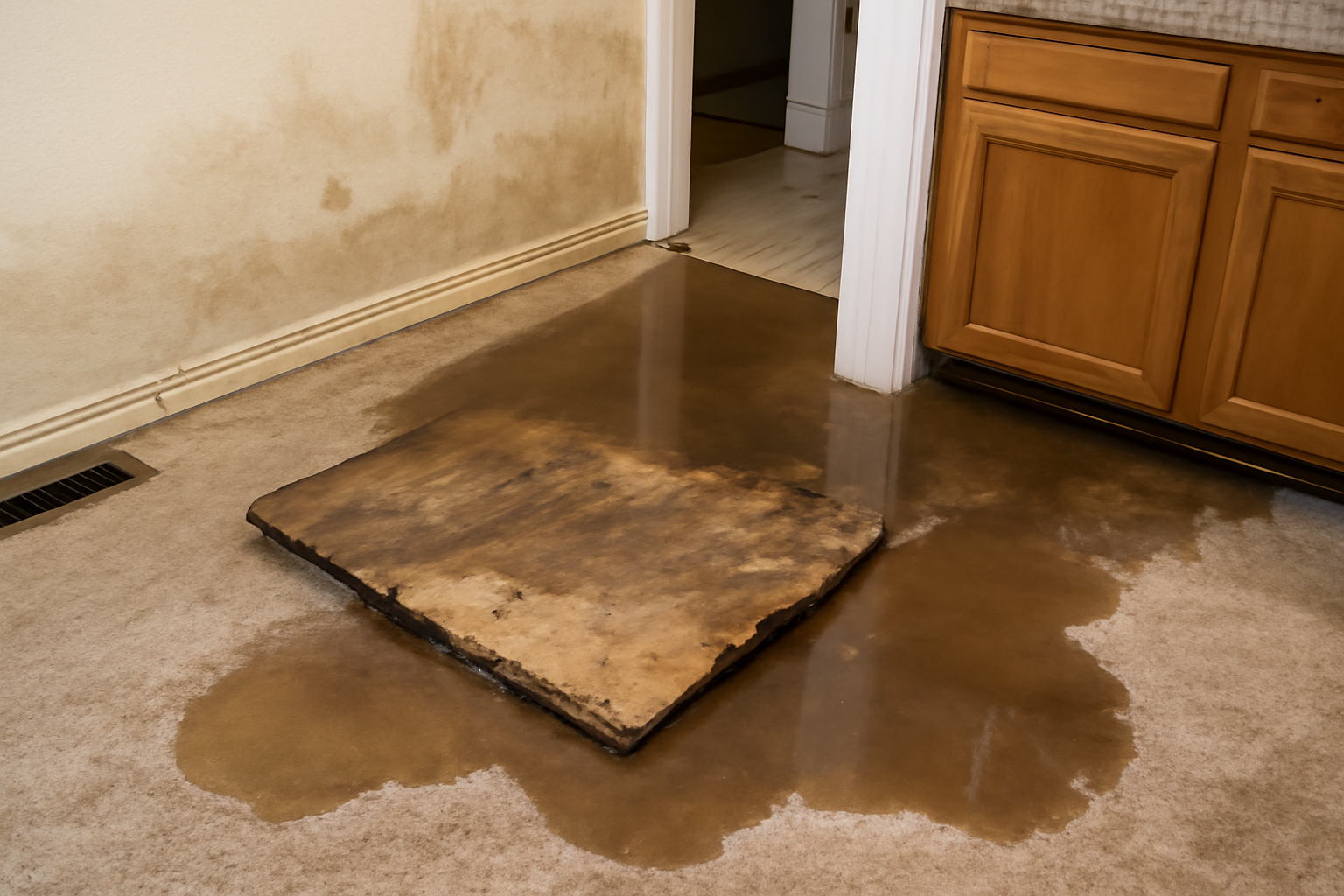
Warning Signs You Need Sewer Backup Water Removal
Ignoring the warning signs of a sewer backup can lead to costly repairs and potential health hazards. Here are some common signs that you may need sewer backup water removal:
Musty Odors That Won’t Go Away
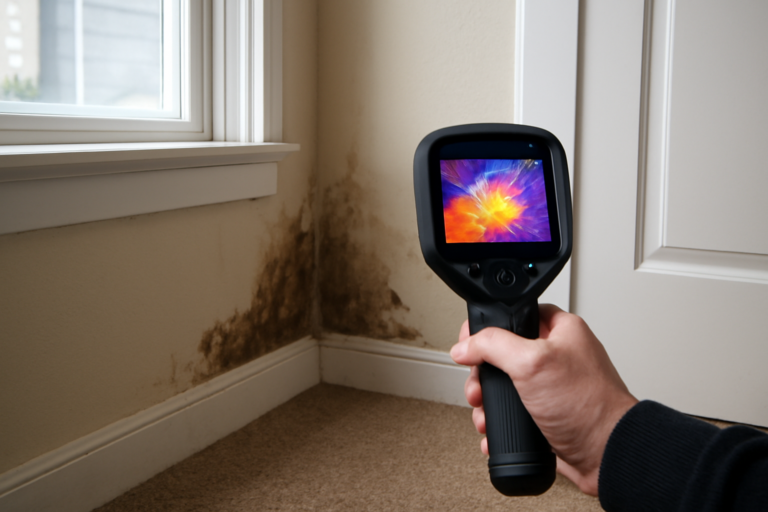
If you notice a persistent musty smell in your home or business, it could be a sign of a sewer backup. This type of smell is often associated with mold and mildew growth, which can be hazardous to your health.
Water Stains on Walls and Ceilings
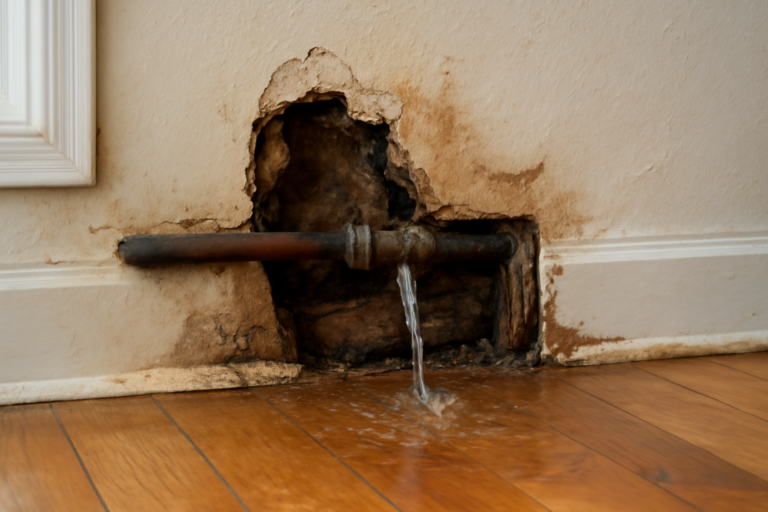
Water stains on your walls and ceilings can be a sign of a sewer backup. These stains can be caused by water seeping into your property from the sewer system, and if left untreated, can lead to further damage.
Slow Drains or Clogged Toilets
If you’re experiencing slow drains or clogged toilets, it could be a sign of a sewer backup. These issues can be caused by debris and waste accumulating in the sewer lines, which can lead to a backup.
Water Damage or Flooding
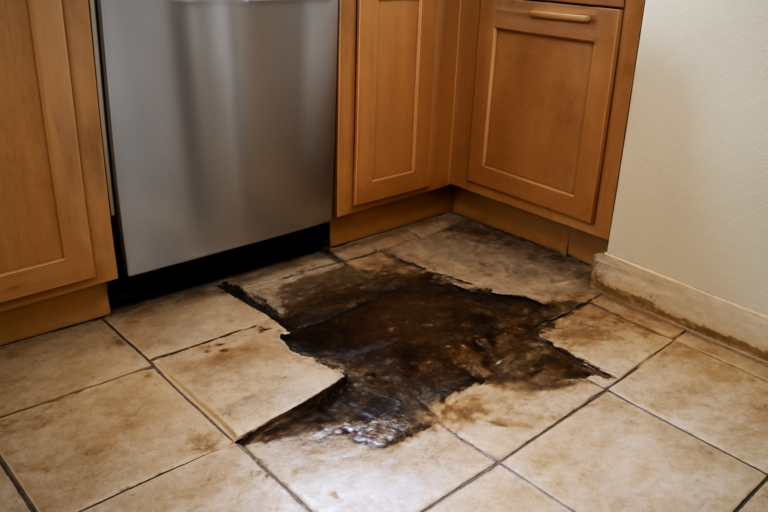
Water damage or flooding in your home or business can be a sign of a sewer backup. This type of damage can be caused by water overflowing from the sewer system, and if left untreated, can lead to costly repairs.
Unexplained Noise or Vibration
Unexplained noise or vibration coming from your sewer system can be a sign of a backup. This type of issue can be caused by debris and waste accumulating in the sewer lines, which can lead to a backup.
Sewer Backup Water Removal vs. DIY: When to Call a Professional
| Situation | DIY? | Call a Pro? | Why |
|---|---|---|---|
| Small water stain on the ceiling | Yes | No | DIY fixes are usually enough for small water stains. |
| Backed-up toilet in a heavily used area | No | Yes | A backed-up toilet in a heavily used area needs immediate attention to prevent further damage. |
| Large water stain on the wall in a living room | No | Yes | A large water stain on the wall in a living room needs professional attention to prevent further damage and potential health hazards. |
| Musty smell in a basement with no visible water damage | Yes | No | A musty smell in a basement with no visible water damage can usually be addressed with DIY fixes. |
| Water damage or flooding in a kitchen | No | Yes | Water damage or flooding in a kitchen needs immediate attention to prevent further damage and potential health hazards. |
| Unexplained noise or vibration from the sewer system | No | Yes | Unexplained noise or vibration from the sewer system needs professional attention to prevent further damage. |
Don’t take the risk of DIY fixes with sewer backup water removal. Call a professional like our team to ensure the job gets done right, and you’re protected from potential health hazards and costly repairs.
Sewer Backup Water Removal Cost in Lewisport, KY
The cost of sewer backup water removal in Lewisport, KY can vary depending on the severity of the damage and the size of the affected area. Here’s a rough estimate of what you might expect to pay:
| Service | Typical Price Range | What Affects Cost |
|---|---|---|
| Water Extraction | $500 – $2,000 | Size of affected area and amount of water extracted. |
| Drying and Dehumidification | $1,000 – $3,000 | Size of affected area and type of equipment used. |
| Cleaning and Sanitizing | $500 – $1,500 | Size of affected area and type of cleaning solutions used. |
| Restoration and Repair | $2,000 – $5,000 | Size of affected area and type of materials needed. |
| On-Site Assessment | $0 – $100 | Size of affected area and complexity of the job. |
Exact pricing will depend on an on-site assessment, and we offer free estimates for all our services. Contact us today to schedule an appointment and get a quote for your specific needs.
Service Areas Near Lewisport, KY
We serve the following areas near Lewisport, KY:
Henderson, KY, Evansville, IN, Owensboro, KY, Henderson County, KY, Vanderburgh County, IN, Hancock County, KY
Common Questions About Sewer Backup Water Removal
Q: What causes sewer backups?
A: Sewer backups can be caused by a variety of factors, including heavy rainfall, snowmelt, and debris accumulation in the sewer lines. Ignoring the warning signs of a sewer backup can lead to costly repairs and potential health hazards.
Q: How long does it take to remove water from a sewer backup?
A: The time it takes to remove water from a sewer backup can vary depending on the severity of the damage and the size of the affected area. Our team can typically extract water within 60 minutes, but drying and dehumidification can take up to 3-5 days.
Q: Is sewer backup water removal covered by insurance?
A: In most cases, sewer backup water removal is not covered by standard homeowners insurance policies. But, some policies may offer more coverage for sewer backup-related expenses. Contact your insurance provider to find out your coverage options.
Q: Can I try to remove water from a sewer backup myself?
A: While it’s tempting to try to remove water from a sewer backup yourself, it’s highly recommended that you call a professional like our team. Improper removal techniques can cause further damage and potentially lead to health hazards.
Q: How do I prevent sewer backups in the future?
A: Preventing sewer backups needs regular maintenance and inspections of your sewer lines. You can also take steps to reduce the risk of backups by being mindful of what you flush down your drains and toilets. Contact our team for more information on how to prevent sewer backups.