Aquarium Leak Water Removal in Rolling Hills, KY: A Specialist’s Approach
We’ve seen our fair share of aquarium leaks in Rolling Hills, KY, and they’re never a small job. As a seasoned team, we understand the stress and disruption that comes with dealing with water damage from an aquarium leak. You’re facing a crisis that needs swift action, and every minute counts. We’re here to help you navigate the process, from mitigation to restoration, so you can get back to enjoying your home in peace.
Our team has earned the trust of over 165 homeowners in the area with our exceptional service and commitment to excellence. When you choose us for your aquarium leak water removal needs, you can rest assured that you’re in good hands. Our IICRC-certified technicians will work tirelessly to reduce the damage and get your home back to normal as soon as possible.
- We offer prompt, 24/7 service in Rolling Hills, KY, to address aquarium leaks of any size.
- Our technicians use the latest equipment and techniques to extract water and dry out affected areas.
- We provide personalized attention to ensure you understand the process and are comfortable throughout the restoration process.
How Our Aquarium Leak Water Removal Process Works
When an aquarium leak occurs, every minute counts. That’s why we’ve developed a comprehensive process to address the issue efficiently. From initial assessment to final restoration, we’ll guide you through every step of the way, ensuring you’re informed and comfortable with the process. Our team will use specialized equipment to extract water, dry out affected areas, and apply antimicrobial treatments to prevent further damage.
Step 1: Initial Assessment
We’ll send a certified technician to your property to assess the damage and develop a customized plan to address the issue. This step is crucial in determining the extent of the damage and identifying any potential hazards. Our technician will use specialized equipment to measure the water level, identify any structural damage, and assess the risk of further damage.
Step 2: Water Extraction
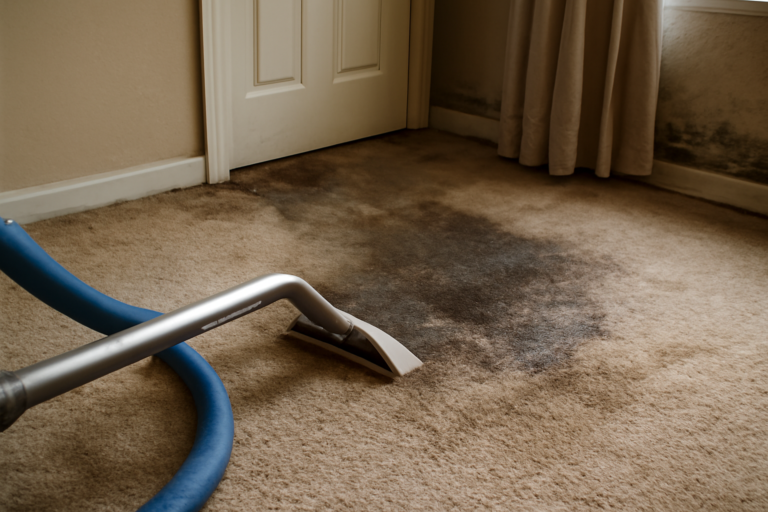
Using powerful pumps and wet vacuums, our technician will extract as much water as possible from the affected area. This step is critical in preventing further damage and reducing the risk of mold growth. We’ll work efficiently to extract as much water as possible, ensuring the area is as dry as possible before moving on to the next step.
Step 3: Drying and Dehumidification
Once the water has been extracted, our technician will use specialized equipment to dry out the affected area. This may involve using dehumidifiers to remove excess moisture from the air, ensuring the area is completely dry before applying antimicrobial treatments.
Step 4: Antimicrobial Treatment
To prevent further damage and ensure the area is safe for occupation, our technician will apply an antimicrobial treatment to affected surfaces. This step is critical in preventing the growth of mold and mildew, which can pose health risks to occupants.
Step 5: Final Inspection and Restoration
Once the above steps have been completed, our technician will conduct a final inspection to ensure the area is completely dry and free from any hazards. We’ll work with you to restore the affected area to its original condition, including any necessary repairs or replacements.
Don’t delay, act quickly to reduce the damage and get your home back to normal. Contact us today for a free estimate and let our team of experts handle the aquarium leak water removal process for you.
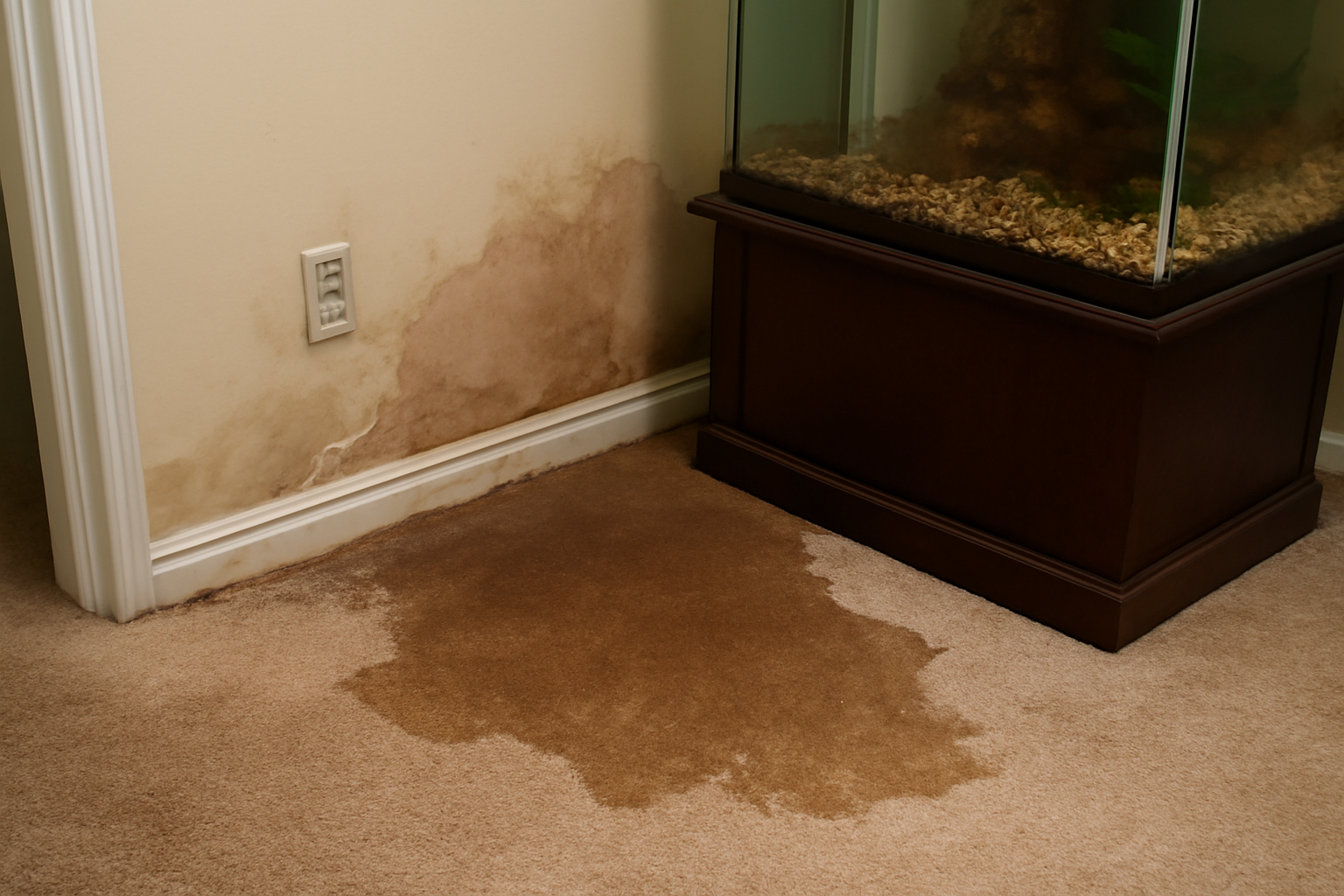
Warning Signs You Need Aquarium Leak Water Removal
Ignoring the warning signs of an aquarium leak can lead to costly repairs and even health risks. Don’t wait until it’s too late, catch these signs early and prevent bigger problems:
Musty Odors That Won’t Go Away
Strong, unpleasant odors can show the presence of mold or mildew in the affected area. If you notice a persistent musty smell, it’s essential to address the issue quickly to prevent further damage.
Warped or Discolored Flooring
Damaged flooring can be a sign of water damage from an aquarium leak. If you notice warped or discolored flooring, it’s crucial to address the issue immediately to prevent further damage.
Water Stains or Discoloration
Water stains or discoloration on walls, ceilings, or floors can show the presence of water damage. If you notice any of these signs, it’s essential to address the issue quickly to prevent further damage.
Miniature Puddles or Water Spots
Small puddles or water spots can be a sign of an aquarium leak. If you notice these signs, it’s crucial to address the issue immediately to prevent further damage.
Visible Water Damage
Visible water damage can be a sign of an aquarium leak. If you notice any of these signs, it’s essential to address the issue quickly to prevent further damage.
Aquarium Leak Water Removal vs. DIY: When To Call a Professional
| Situation | DIY? | Call a Pro? | Why |
|---|---|---|---|
| A small aquarium leak with minimal water damage | Yes | No | DIY is fine for minor leaks with minimal damage; but, if the leak is significant, it’s best to call a professional to avoid further damage. |
| A large aquarium leak with extensive water damage | No | Yes | For significant leaks with extensive water damage, it’s best to call a professional to ensure the area is completely dry and free from any hazards. |
| A leak with a high risk of mold growth | No | Yes | If the leak has a high risk of mold growth, it’s essential to call a professional to apply antimicrobial treatments and prevent further damage. |
| A leak with structural damage | No | Yes | For leaks with structural damage, it’s best to call a professional to ensure the area is safe and secure. |
| A leak with a complex water extraction process | No | Yes | For leaks with complex water extraction processes, it’s best to call a professional to ensure the area is completely dry and free from any hazards. |
| A leak with a high risk of health hazards | No | Yes | For leaks with a high risk of health hazards, it’s essential to call a professional to ensure the area is safe and secure. |
When dealing with aquarium leaks, it’s essential to call a professional for any of the following situations: large leaks with extensive water damage, leaks with a high risk of mold growth, leaks with structural damage, leaks with complex water extraction processes, and leaks with a high risk of health hazards.
Aquarium Leak Water Removal Cost in Rolling Hills, KY
The cost of aquarium leak water removal in Rolling Hills, KY, can vary depending on the severity of the damage, the size of the affected area, and local conditions. Our estimates range from $500 to $2,500, with prices affected by the extent of the damage, the materials needed for repairs, and the complexity of the water extraction process.
| Service | Typical Price Range | What Affects Cost |
|---|---|---|
| Aquarium leak water removal | $500 – $2,500 | The extent of the damage, the size of the affected area, and local conditions. |
| Water extraction and drying | $200 – $1,000 | The size of the affected area and the complexity of the water extraction process. |
| Antimicrobial treatment | $100 – $500 | The size of the affected area and the type of surfaces treated. |
| Structural repairs | $500 – $2,000 | The extent of the damage and the materials needed for repairs. |
| Complex water extraction process | $1,000 – $5,000 | The complexity of the water extraction process and the equipment needed. |
Exact pricing depends on an on-site assessment, and we offer free estimates for all our services. Contact us today to schedule an appointment and get a quote for your aquarium leak water removal needs.
Service Areas Near Rolling Hills, KY
We serve the following nearby communities: Anchorage, Avondale, Barbourmeade, Buechel, Brownsboro Farm, Brook, Coldstream, Crossgate, Crestwood, Fern Creek, Forest Hills, Glenview, Graymoor-Devondale, Hills and Dales, Indian Hills, Jeffersontown, Langdon Place, Lyndon, Manor Creek, Maryhill Estates, Middletown, Mockingbird Valley, Moores Mill, Norwood, Northfield, Park Duvalle, Parkland, Petersburg, Plainview, Pleasant View, Poplar Hills, Regency, Richlawn, River Road, Rolling Hills, Seneca Gardens, Spring Mill, Strathmoor Manor, Ten Broeck, The Highlands, Thornhill, Wells, West Buechel, Westwood, Windy Hills, Woodland Hills.
Common Questions About Aquarium Leak Water Removal
Q: How long does the water removal process take?
The water removal process typically takes 1-3 days, depending on the severity of the damage and the complexity of the water extraction process. Our team will work efficiently to ensure the area is completely dry and free from any hazards as soon as possible.
Q: What causes aquarium leaks?
Aquarium leaks can be caused by a variety of factors, including overfilling, clogged drains, and equipment malfunctions. Regular maintenance and inspection can help prevent these issues.
Q: Can I do the water removal myself?
While DIY water removal may seem like a cost-effective option, it’s essential to call a professional for any significant leaks or extensive water damage. A professional will ensure the area is completely dry and free from any hazards, and apply antimicrobial treatments to prevent further damage.
Q: What is the cost of aquarium leak water removal?
The cost of aquarium leak water removal can vary depending on the severity of the damage, the size of the affected area, and local conditions. Our estimates range from $500 to $2,500, with prices affected by the extent of the damage, the materials needed for repairs, and the complexity of the water extraction process.
Q: Do I need to call a professional for small leaks?
For small leaks with minimal water damage, DIY may be a viable option. But, if the leak is significant or the damage is extensive, it’s best to call a professional to ensure the area is completely dry and free from any hazards.