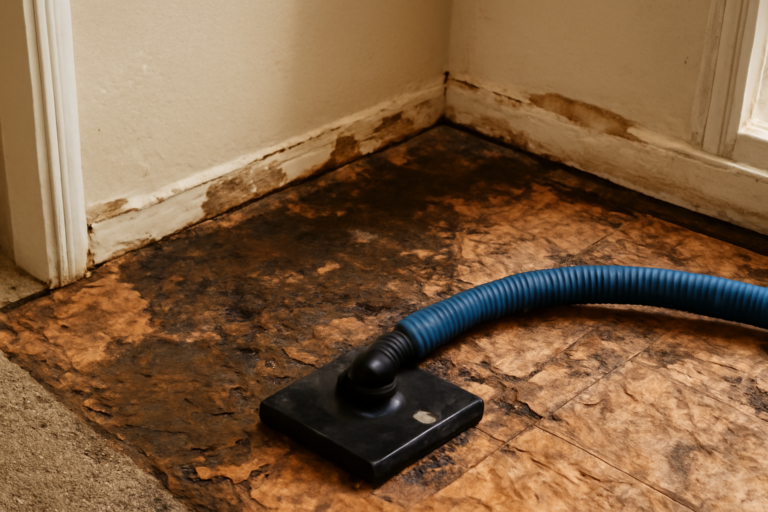
Water Damage From AC Units: Rolling Hills, KY’s Hidden Cost
Did you know that 60% of air conditioning units leak water at some point during their lifespan? It’s not uncommon for homeowners in Rolling Hills, KY to experience AC unit water damage. When left unchecked, it can lead to costly repairs, mold growth, and even health issues. It’s essential to address the issue quickly to avoid further damage.
Our team has helped hundreds of homeowners in Rolling Hills, KY and surrounding areas resolve AC unit water damage issues efficiently. We’ve earned an impressive 165+ five-star reviews for our professionalism, expertise, and customer satisfaction.
- Quick response times to reduce damage and prevent secondary issues.
- State-of-the-art equipment and techniques to extract water and dry the area.
- Thorough documentation and communication with insurance companies to ensure seamless claims processing.
The AC Unit Water Removal Process: What You Need to Know
Our team’s process for AC unit water removal involves a series of meticulous steps to ensure a thorough and efficient restoration. We understand that a proper process is crucial in preventing further damage, mold growth, and health issues. When corners are cut, it can lead to costly rework, delayed claims processing, and even safety risks.
Step 1: Assessment and Inspection
Our team assesses the affected area to find out the extent of the damage, identify the source of the leak, and develop a customized plan for restoration. We use specialized equipment to detect hidden moisture and assess the structural integrity of the property.
Step 2: Water Extraction
Our technicians use powerful pumps and vacuum equipment to extract as much water as possible from the affected area. We work efficiently to reduce downtime and prevent further damage.
Step 3: Drying and Dehumidification
We use industrial-grade dehumidifiers and air movers to speed up the drying process and prevent moisture buildup. Our team monitors the area’s humidity levels to ensure a thorough and efficient drying process.
Step 4: Cleaning and Sanitizing
Our team uses specialized cleaning solutions and equipment to clean and sanitize the affected area, removing any remaining debris, dirt, or bacteria. We take extra precautions to prevent mold growth and ensure a safe environment for you and your family.
Step 5: Reconstruction and Repair
Our team works with you to develop a plan for reconstruction and repair, ensuring that the affected area is restored to its original condition. We use high-quality materials and techniques to prevent future damage and ensure a long-lasting solution.
Don’t wait until the problem gets worse. Contact our team today to schedule an appointment and take the first step towards a safe and dry home.
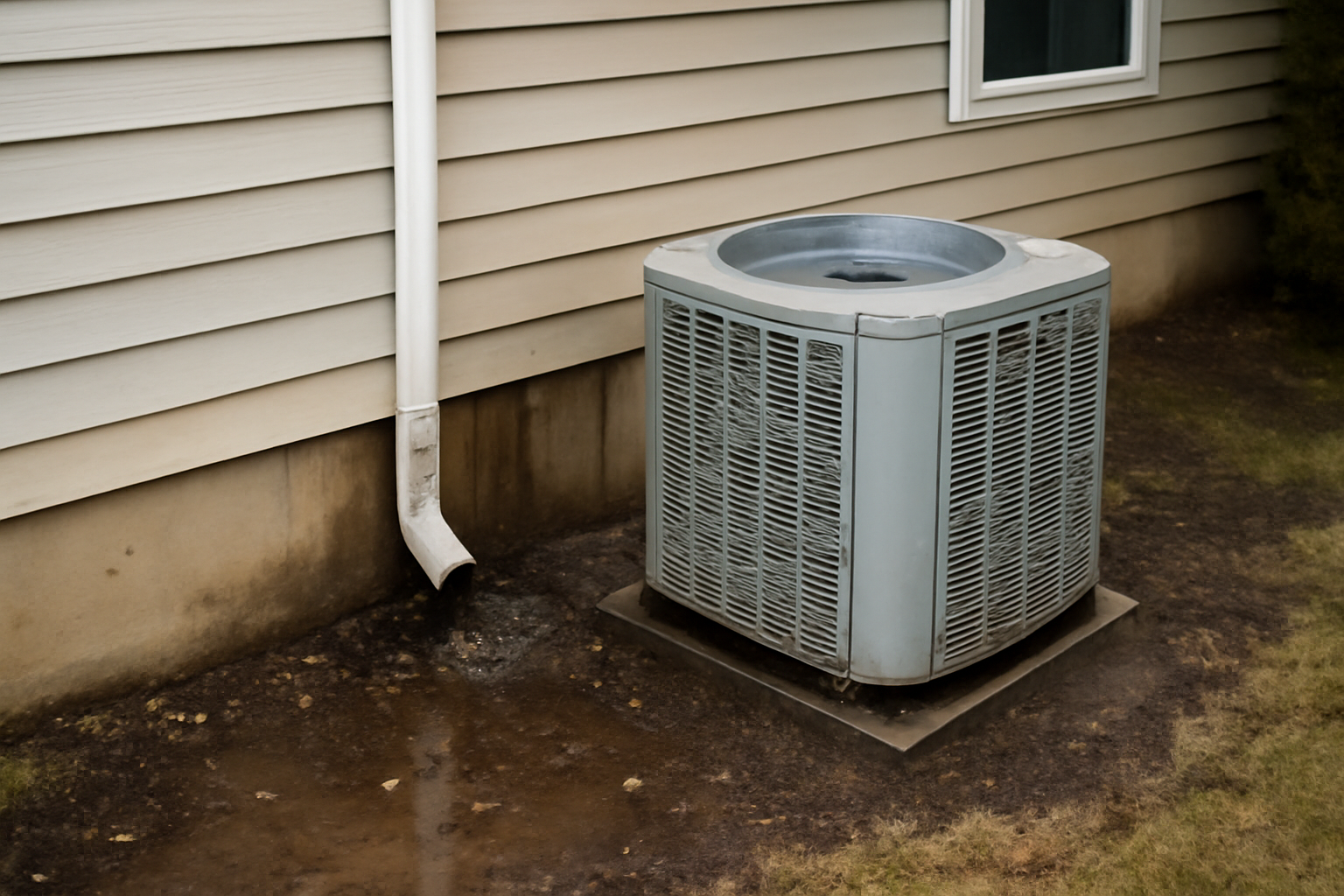
Warning Signs of AC Unit Water Damage You Shouldn’t Ignore
Catching these signs early can save you money, prevent bigger problems, and ensure a safe living environment. Don’t ignore these warning signs:
Musty Odors That Won’t Go Away
Strong, unpleasant odors can be a sign of mold growth or water damage. If you notice persistent musty smells in your home, it’s essential to investigate further and address the issue quickly.
Water Stains on Ceilings or Walls
Water stains can be a sign of water damage or leaks. If you notice water stains on your ceiling or walls, it’s crucial to investigate the source of the issue and address it quickly to prevent further damage.
Soggy Carpets or Flooring
Soggy carpets or flooring can be a sign of water damage or leaks. If you notice your carpets or flooring are soggy or damp, it’s essential to address the issue quickly to prevent further damage and ensure a safe living environment.
Warped or Buckled Flooring
Warped or buckled flooring can be a sign of water damage or leaks. If you notice your flooring is warped or buckled, it’s crucial to investigate the source of the issue and address it quickly to prevent further damage and ensure a safe living environment.
Visible Signs of Mold Growth
Mold growth can be a sign of water damage or leaks. If you notice visible signs of mold growth in your home, it’s essential to address the issue quickly to prevent further damage and ensure a safe living environment.
Increased Energy Bills
Increased energy bills can be a sign of water damage or leaks. If you notice your energy bills are higher than usual, it’s crucial to investigate the source of the issue and address it quickly to prevent further damage and ensure a safe living environment.
AC Unit Water Removal vs. DIY: When to Call a Professional
| Situation | DIY? | Call a Pro? | Why |
|---|---|---|---|
| Small water leak (less than 1 gallon) | Yes | No | If the leak is small and contained, you can try to fix it yourself. But, if the leak is larger or more complex, it’s best to call a professional. |
| Water damage from a burst pipe | No | Yes | If the water damage is extensive and affects multiple areas of your home, it’s best to call a professional to ensure a thorough and efficient restoration. |
| Musty odors or visible mold growth | No | Yes | Musty odors or visible mold growth can be a sign of water damage or leaks. If you notice these signs, it’s essential to call a professional to address the issue quickly and prevent further damage. |
| Warped or buckled flooring | No | Yes | Warped or buckled flooring can be a sign of water damage or leaks. If you notice this issue, it’s best to call a professional to ensure a thorough and efficient restoration. |
| Water damage from an AC unit | No | Yes | Water damage from an AC unit can be a complex issue that needs professional expertise to resolve. If you notice water damage from your AC unit, it’s best to call a professional to ensure a thorough and efficient restoration. |
| Increased energy bills | No | Yes | Increased energy bills can be a sign of water damage or leaks. If you notice this issue, it’s best to call a professional to investigate the source of the problem and address it quickly. |
Don’t take the risk of further damage or safety issues. If you’re unsure about whether to DIY or call a professional, it’s always best to err on the side of caution and seek professional help.
AC Unit Water Removal Cost in Rolling Hills, KY
The cost of AC unit water removal can vary depending on the severity of the damage, the size of the affected area, and local conditions in Rolling Hills, KY. These estimates are based on average costs and can vary depending on the specific circumstances of your situation.
| Service | Typical Price Range | What Affects Cost |
|---|---|---|
| Water extraction and removal | $500 – $2,500 | Size of the affected area, severity of the damage, and equipment needed |
| Drying and dehumidification | $300 – $1,500 | Size of the affected area, type of equipment used, and duration of the process |
| Cleaning and sanitizing | $200 – $1,000 | Size of the affected area, type of cleaning solutions used, and equipment needed |
| Reconstruction and repair | $1,000 – $5,000 | Size of the affected area, type of materials used, and labor costs |
| Insurance claims processing | $0 – $500 | Complexity of the claim, documentation required, and communication with insurance companies |
| Emergency service fees | $100 – $500 | Time of day, day of the week, and complexity of the issue |
Exact pricing will depend on an on-site assessment and will be provided free of charge. Contact our team today to schedule an appointment and get a personalized quote for your AC unit water removal needs.
Service Areas Near Rolling Hills, KY
We serve the following nearby communities: Anchorage, Buechel, Brownsboro Farm, Broeck Pointe, Cherrywood Village, Crestwood, Crossroads, Douglass Hills, Fern Creek, Forest Hills, Hurstbourne, Indian Hills, Jeffersontown, Lake Louisvilla, Lyndon, Middletown, Norwood, Old Brownsboro Bay, Park Duvalle, Prospect, Riverwood, Saint Matthews, Saint Regis Park, Seneca Gardens, Spring Mill, Strathmoor Manor, Strathmoor Village, Ten Broeck, Valley Station, West Buechel.
Common Questions About AC Unit Water Removal
Q: How long does the water removal process take?
A: The water removal process can take anywhere from a few hours to several days, depending on the severity of the damage and the size of the affected area. Our team will work efficiently to reduce downtime and ensure a thorough and efficient restoration.
Q: Will my insurance company cover the costs of AC unit water removal?
A: In most cases, yes. Our team will work with you to document the damage and communicate with your insurance company to ensure seamless claims processing. We’ll help you navigate the process and ensure you receive the benefits you’re entitled to.
Q: Can I use a wet/dry vacuum to remove water from my home?
A: No, it’s not recommended to use a wet/dry vacuum to remove water from your home. Wet/dry vacuums can spread the water and make the problem worse. Our team uses specialized equipment and techniques to extract water efficiently and prevent further damage.
Q: How do I prevent water damage from my AC unit?
A: Regular maintenance is key to preventing water damage from your AC unit. Check your unit regularly for signs of leaks or damage, and schedule annual maintenance checks with a professional. We can also provide you with tips and recommendations to maintain your AC unit and prevent water damage.
Q: Will you work with my insurance company to ensure a smooth claims process?
A: Yes, we will work with your insurance company to ensure a smooth claims process. We’ll document the damage, communicate with your insurance company, and help you navigate the process to ensure you receive the benefits you’re entitled to.