Villa Hills, KY
Attic Water Extraction in Villa Hills, KYWet Attic Insulation Removal & Attic Mold Prevention
Attic Water Extraction in Villa Hills includes attic leak water cleanup, roof leak water removal and ceiling water damage cleanup.
Answered 24/7
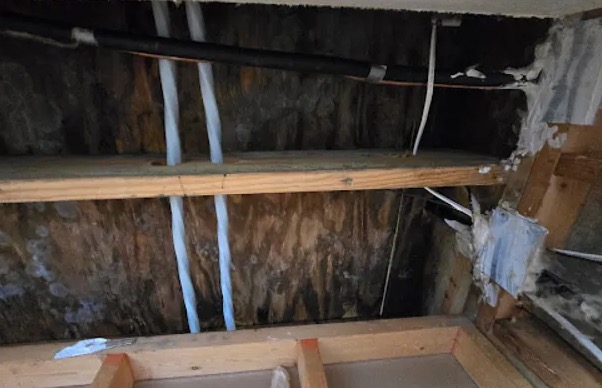
Attic Water Extraction Solutions in Villa Hills, Kentucky
Water in an attic has only one place to go: down through the ceiling. In Villa Hills, a roof leak, a burst attic pipe or an overflowing AC pan can put water on top of the ceiling drywall, where it soaks in and starts to sag.
Comprehensive Attic Water Extraction Services in Villa Hills
Wet Attic Insulation Removal
Insulation is removed only where it got wet. Dry insulation nearby is left in place and protected during the work.
Attic Mold Prevention
Drying the attic quickly is the main way to limit mold on wood. Treatment is added for areas that were wet for days.
Attic Drying Services
Air movers and dehumidifiers are set on boards across the joists to dry rafters, decking and the ceiling below safely.
Roof Leak Water Removal
Rain that entered through damaged shingles, flashing or vents is extracted, and the leak point is photographed so the roofer can find it.
Attic Moisture Inspection
Moisture meters and thermal cameras check decking, rafters, insulation and ceiling drywall for water that is not visible.
Detecting the Need for Attic Water Extraction in Your Attic
Visible Mold in Attic
Dark spots on rafters or decking mean the wood has stayed damp for some time.
Sagging or Bulging Ceilings
A ceiling that bulges or droops is holding water and can fall. Keep people out of the room below.
Puddles or Standing Water
Pooled water on the attic floor or on top of drywall needs extraction right away.
Musty Odors From Attic
A musty smell from the attic hatch or upstairs rooms often points to wet insulation or wood.
How Attic Water Extraction Works in Villa Hills
Step 1: Initial Attic Moisture Inspection
Meters and thermal cameras show where water pooled and how far it spread from the leak.
Step 2: Roof Leak Water Removal
Rainwater is extracted from the attic floor, and a tarp is placed over roof damage if needed.
Step 3: Dehumidification and Air Scrubbing
Dehumidifiers dry the attic air while air scrubbers capture dust from insulation removal.
Step 4: Verification of Dryness
Final readings are compared with dry areas to confirm the attic and ceiling are back to normal.
Frequent Sources of Attic Leaks in Villa Hills
Skylight or Chimney Flashing Failure
Worn flashing around skylights and chimneys lets rain run down into the attic.
Gutter and Downspout Blockages
Clogged gutters and downspouts let water back up under the roof edge.
Roof Leaks From Storm Damage
Wind and hail can lift or break shingles, letting rain reach the decking and the attic floor.
HVAC System Condensate Overflow
AC air handlers in the attic overflow when the condensate line clogs or the pan cracks.
Attic Water Extraction for Homes and Businesses in Villa Hills
Residential Attic Water Extraction
In two-story homes, attic leaks can reach upstairs ceilings and run down into walls. Each wet area is checked with a meter and dried.
Commercial Attic Water Extraction
Flat-roof buildings often have leaks that travel far before they drip. The water path above the ceiling is traced so no wet section is missed.
The Risks of DIY Attic Water Extraction in Villa Hills
Patching the roof stops new water, but the attic stays wet underneath. After any roof repair, have the insulation and decking checked for leftover moisture.
The Cost of Attic Water Extraction in Villa Hills
Storm calls, tight attic access, insulation replacement and ceiling repair all add to the total for attic water extraction in Villa Hills.
Mold Prevention Steps
Antimicrobial treatment of wood that stayed wet is an added step, priced by area.
Type of Water Involved
Clean rainwater is simpler to remove than water from a drain line or a dirty source.
Required Drying Time
Dense framing and decking can take several days to dry, adding equipment time.
Does Insurance Cover Attic Water Extraction?
Many homeowner policies cover sudden storm damage and burst pipes in the attic, but not leaks from worn roofing or poor upkeep. Read your policy and call your insurer early.
Selecting Local Pros for Attic Water Extraction in Villa Hills
Wet Insulation Handling
Wet insulation is bagged and removed without spreading debris into the living space.
24/7 Emergency Response
Help is available day or night when a storm or burst pipe puts water in the attic.
Industry Extraction Standards
Extraction and drying follow industry water damage standards, with readings at every visit.
Around-the-Clock Attic Water Extraction in Villa Hills
Night, weekend or holiday, local water removal experts handle attic water in Villa Hills. Call (502) 305-4876 to get the water out and the ceiling protected.
Call Now (502) 305-4876Local Attic Water Extraction Areas Including Villa Hills
Homes and businesses throughout Villa Hills can get wet attic insulation removal and roof leak water removal as part of attic water extraction.
FAQ on Attic Water Extraction in Villa Hills
Why is a moisture inspection important after extraction?
Extraction removes pooled water, but wood and drywall stay wet inside. Meters show what still needs drying.
Can I remove attic water myself?
Small drips onto plastic can be handled, but pooled water and soaked insulation need safe footing, equipment and drying.
Why is wet insulation removal often necessary?
Soaked insulation stays wet for a long time, adds weight to the ceiling and loses its insulating value.
What are signs of hidden attic water damage?
Ceiling stains, a musty smell upstairs, matted insulation, dark spots on decking and rusted nails.
Is microbial growth common after an attic leak?
It is more likely when wood and insulation stay wet for days. Fast extraction and drying lower that risk.