Indian Hills, KY · Jefferson County
Attic Water Removal in Indian Hills, KYAttic Mold Prevention & Roof Leak Water Removal
Attic Water Removal in Indian Hills runs from roof leak water removal and wet attic insulation removal to ceiling water damage cleanup.
Answered 24/7
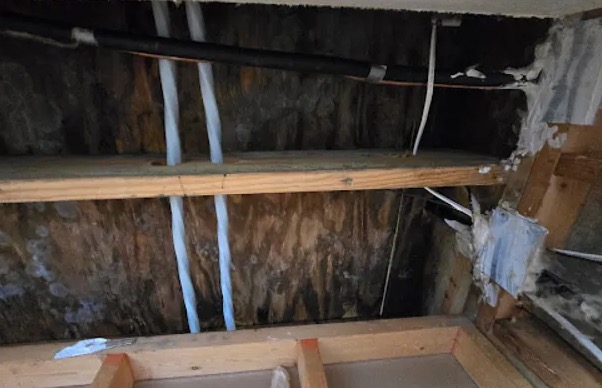
Expert Attic Water Removal for Indian Hills
In Indian Hills, the most common attic water sources are roof leaks, attic AC units and plumbing that runs through the attic. Each one needs to be stopped before drying can work.
In Indian Hills, attic water calls often start with a ceiling stain after heavy rain or a dripping AC drain. Local water damage restoration experts serve Indian Hills, Mockingbird Valley, Windy Hills and Crossgate, removing water and wet insulation and drying the attic.
Attic Water Removal Services in Indian Hills
Attic Mold Prevention
After drying, wood that was wet for more than a day or two can be treated with an antimicrobial to slow microbial growth.
Roof Leak Water Removal
The entry point is photographed and marked, which helps both the roofer and your insurance adjuster.
Attic Moisture Inspection
Moisture meters and thermal cameras check rafters, decking, insulation and the ceiling below, even in spots that look dry.
Ceiling Water Damage Cleanup
A water-stained ceiling below the attic is checked with a meter. Firm, lightly damp drywall can dry in place, while soft or sagging drywall comes down.
Wet Attic Insulation Removal
Insulation that got soaked is removed from the wet bays and bagged. Leaving it in place keeps the ceiling drywall damp for weeks.
Signs of Attic Water Damage in Indian Hills
Increased Indoor Humidity Levels
Upstairs rooms that feel sticky or humid may have moisture coming down from the attic.
Peeling Paint on Ceilings or Walls
Paint that peels or blisters on upstairs ceilings and walls often has water behind it.
Water Dripping From Light Fixtures
Water dripping from a ceiling light or fan means an active leak above. Turn off that circuit.
Water Stains on Ceiling
A brown ring or yellow patch on an upstairs ceiling usually means water is sitting on the drywall from the attic.
How Attic Water Removal Works in Indian Hills
Step 1: Attic Flood Cleanup Response
Active drips are contained with buckets and plastic, and the room below is protected.
Step 2: Targeted Attic Moisture Removal
Water is vacuumed from between joists and on top of drywall, starting where it is deepest.
Step 3: Attic Dehumidification
Dehumidifiers pull moisture from the attic air while air movers dry the wet framing.
Step 4: Documentation for Restoration
Photos and moisture readings are compiled to show what was removed and when the attic dried.
Why Attics Develop Water Damage
Condensation From Poor Attic Ventilation
Moist air from the house condenses on roof decking when attic ventilation is poor.
Flashing Failures Around Roof Penetrations
Failed flashing around vents, chimneys and skylights lets rain run into the attic.
Ice Dam Formation on Roof Edges
Ice dams at the roof edge force melting snow back under shingles and into the attic.
HVAC System Leaks or Drain Pan Overflow
An attic air handler overflows when its condensate line clogs or the drain pan cracks.
Residential and Commercial Attic Water Removal in Indian Hills
Residential Attic Water Removal
In two-story homes, attic water can run down inside walls to the floor below. Walls under the leak are checked with a meter and dried if needed.
Commercial Attic Water Removal
Flat-roof buildings often have water that travels far before it drips. The path above the ceiling is traced so every wet section is found.
The Risks of DIY Attic Water Removal in Indian Hills
If you can do it safely, look into the attic with a flashlight to find the wet area. Removing soaked insulation and drying the framing needs boards, protective gear and equipment.
What Affects Attic Water Removal Cost in Indian Hills
In Indian Hills, the biggest costs in attic jobs are usually insulation removal, drying equipment days and ceiling repair in the room below.
Water Contamination Level
Clean rainwater is simpler to handle than water from a drain line or other dirty source.
Secondary Damage Repairs
Ceiling drywall replacement and paint in the room below add to the total.
Extent of Water Damage
A leak confined to one bay costs less than water spread across the attic and the rooms below.
Does Insurance Cover Attic Water Removal?
Photograph the attic, the ceiling and any roof damage before cleanup, and keep receipts for tarping and emergency water removal.
Advantages of Hiring Local Pros for Attic Water Removal in Indian Hills
Damage Documentation
Photos, readings and a list of removed materials are kept for insurance.
Source Identification
The pros trace the water to its source and note it for the roofer or plumber.
Advanced Moisture Detection
Moisture meters and thermal cameras find wet wood and insulation that look dry.
Round-the-Clock Attic Water Removal for Indian Hills
Ceiling sagging under the weight of water? Keep people out of the room below and call (502) 305-4876 now for attic water removal in Indian Hills.
Call Now (502) 305-4876Communities Served for Attic Water Removal
Help with attic water removal is also available in communities near Indian Hills, including Mockingbird Valley, Windy Hills and Crossgate, for roof leaks and attic plumbing failures.
- Attic Water Removal in Mockingbird Valley
- Attic Water Removal in Windy Hills
- Attic Water Removal in Crossgate
- Attic Water Removal in Woodlawn Park
- Attic Water Removal in St. Matthews
- Attic Water Removal in Fairmeade
- Attic Water Removal in Glenview
- Attic Water Removal in Bancroft
- Emergency Damage Restoration in 40207
- Storm Damage Restoration in 40207
- Water Damage Restoration in 40207
- Water Extraction Service in 40207
- Water Leak Detection in 40207
- Water Removal Service in 40207
Attic Water Removal Questions and Answers
How can mold be prevented after attic water removal?
By drying wood quickly, fixing ventilation problems and treating framing that stayed wet with an antimicrobial.
What is an attic moisture inspection?
A check of rafters, decking, insulation and the ceiling below with moisture meters and thermal cameras to find all wet areas.
What is involved in attic water removal?
Stopping the source, removing pooled water, bagging wet insulation, drying the framing and decking, and checking the ceiling below.
What happens during wet attic cleanup?
Water, wet insulation and debris are removed, stored items are moved out and the attic floor is cleaned before drying.
Will attic water damage cause mold?
It can if wood and insulation stay wet for days. Fast removal and drying are the main ways to prevent mold.