Concrete Slab Water Extraction in St. Matthews, KY: Protect Your Home from Flooding
St. Matthews, KY experiences an average of 42 inches of rainfall annually, with most of it falling between May and September. This can lead to flooding, especially for homes with concrete slabs. Water accumulation on your slab can cause damage, weaken the structure, and even lead to costly repairs. You can prevent this by understanding the risks and taking proactive measures. Our team is here to guide you through the process and provide expert solutions for concrete slab water extraction in St. Matthews, KY.
With over 165+ five-star reviews, you can trust our team to deliver exceptional results for your concrete slab water extraction needs. We’ve helped many homeowners in the area recover from flooding and restore their properties to their former glory. Our commitment to customer satisfaction and IICRC certification sets us apart from the competition.
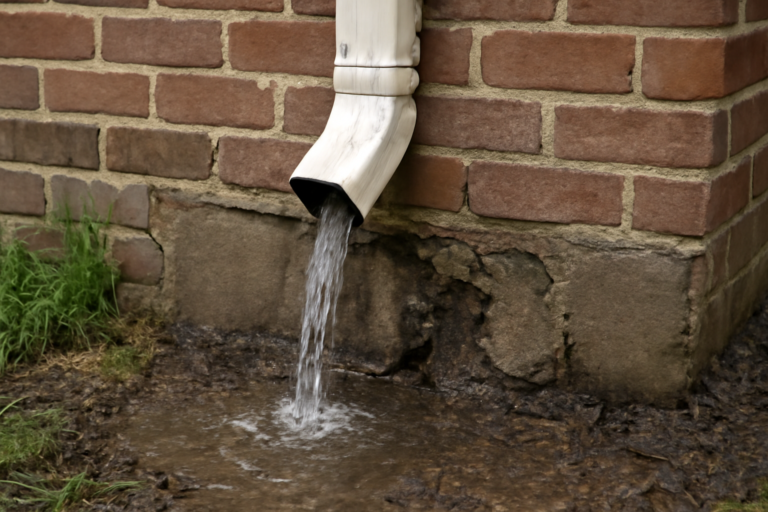
- Prevent water accumulation by ensuring proper drainage around your home, including your gutters and downspouts.
- Regularly inspect your concrete slab for signs of damage, such as cracks or unevenness.
- Act quickly in the event of a flood, as standing water can cause significant damage within 60 minutes.
How Concrete Slab Water Extraction Actually Works
Our team’s process for concrete slab water extraction is designed to remove excess water and prevent further damage. We understand the importance of a thorough and efficient process, which is why we use specialized equipment and techniques to extract water from your slab. By doing so, we can prevent costly repairs and ensure your home remains safe and secure.
Step 1: Inspection and Assessment
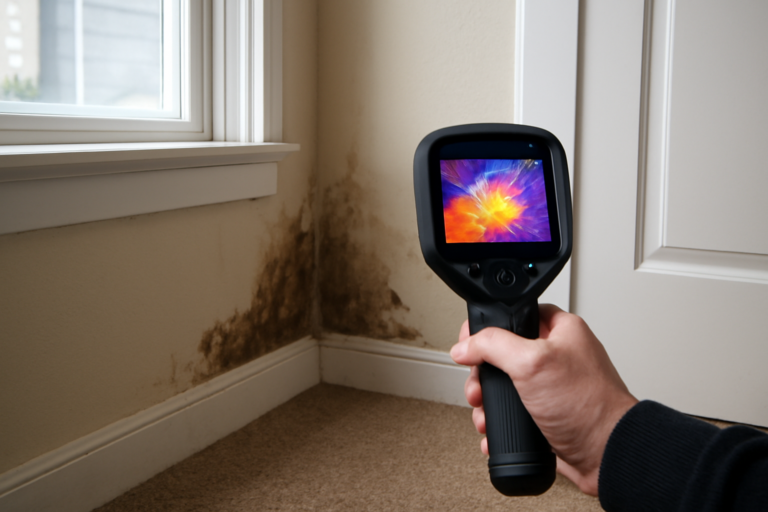
Our technicians will inspect your concrete slab to identify the extent of the damage and find out the best course of action. They’ll assess the water levels, check for signs of structural damage, and identify any potential safety hazards. This step is crucial in determining the most effective extraction method and preventing further damage.
Step 2: Water Extraction
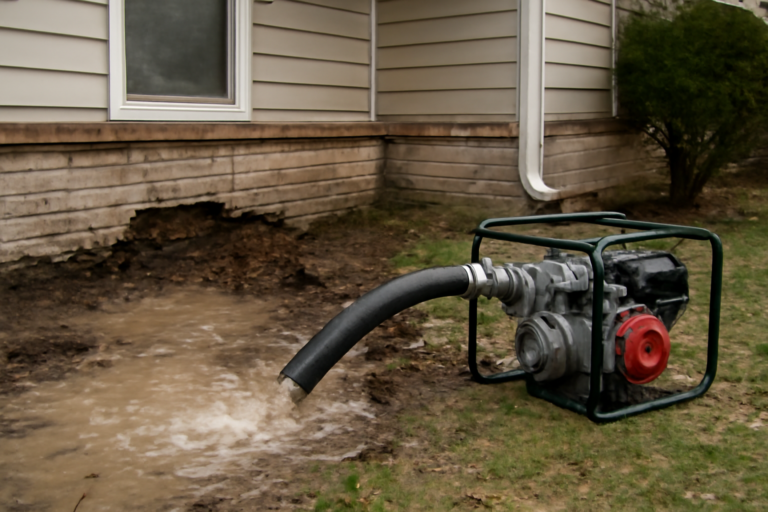
Using specialized equipment, our team will extract the water from your concrete slab. This may involve using pumps, wet vacuums, or other machinery to remove the water and prevent further damage. We’ll work efficiently to reduce downtime and get your home back to normal as quickly as possible.
Step 3: Drying and Dehumidification
After extracting the water, our team will use specialized drying equipment to remove any remaining moisture from your concrete slab. This step is critical in preventing mold growth and ensuring your home remains safe and secure.
Step 4: Sanitizing and Disinfecting
Our team will sanitize and disinfect your concrete slab to remove any bacteria, viruses, or other contaminants that may have been introduced during the flooding. This step is essential in preventing the growth of mold and mildew.
Step 5: Final Inspection and Verification
Once the extraction, drying, and sanitizing processes are complete, our team will conduct a final inspection to ensure your concrete slab is safe and secure. We’ll verify that the water is completely removed and that your home is free from any potential hazards.
Don’t wait until it’s too late, act quickly to prevent further damage and ensure your home remains safe and secure. Contact our team today to schedule an appointment for concrete slab water extraction in St. Matthews, KY.
Warning Signs You Need Concrete Slab Water Extraction
Catching these signs early can save you money and prevent bigger problems down the line. Be on the lookout for:
Musty Odors That Won’t Go Away
Strong, persistent odors can show moisture accumulation on your concrete slab. If you notice musty smells, it’s time to act quickly to prevent mold growth and further damage.
Warped or Buckled Flooring
Warped or buckled flooring can be a sign of water damage to your concrete slab. If you notice any changes in your flooring, it’s essential to investigate further to prevent costly repairs.
Water Stains or Discoloration
Water stains or discoloration on your concrete slab can show water accumulation. If you notice any changes in color or texture, it’s time to act quickly to prevent further damage.
Cracks or Unevenness
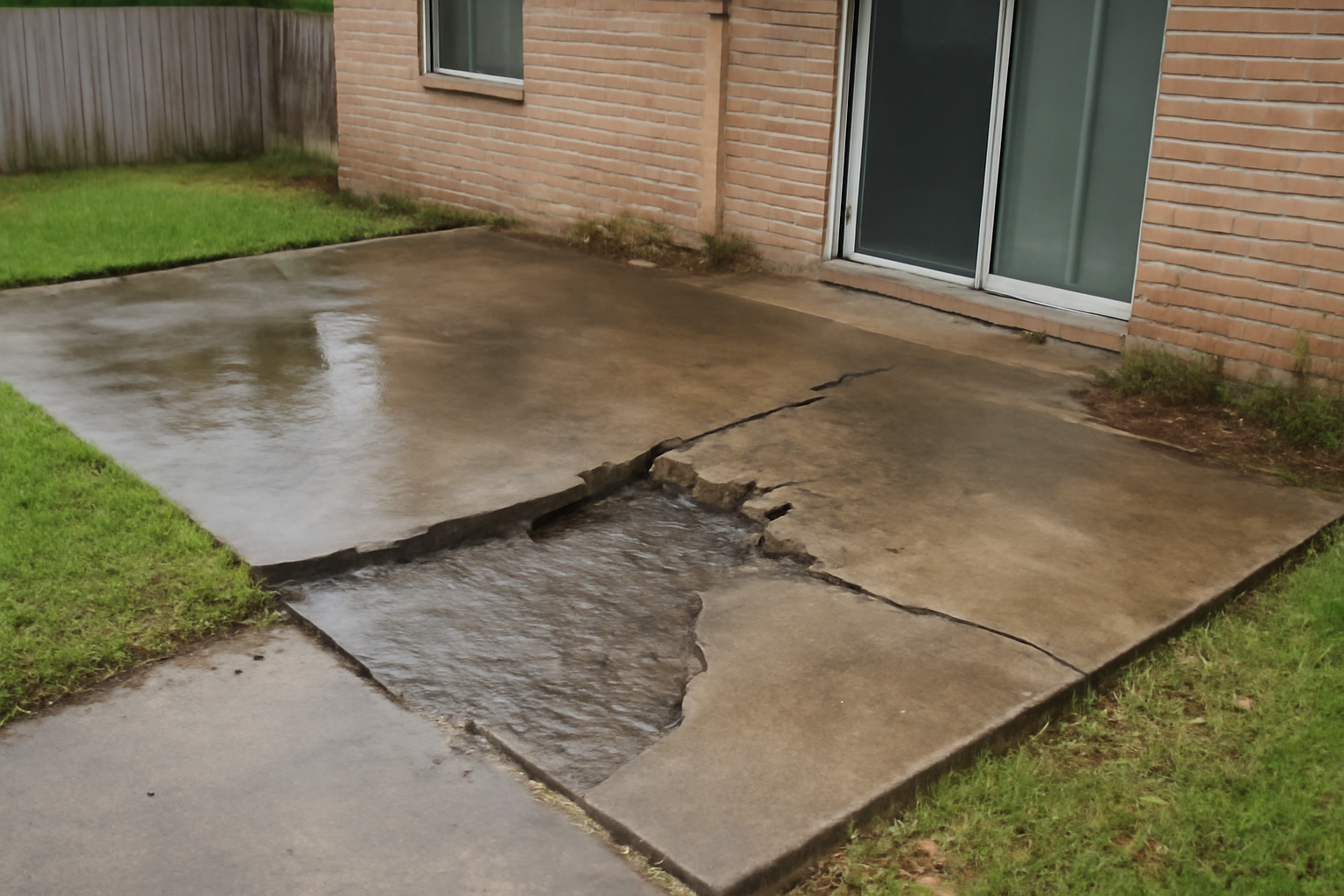
Cracks or unevenness on your concrete slab can be a sign of water damage. If you notice any changes in the appearance of your slab, it’s essential to investigate further to prevent costly repairs.
Standing Water or Puddles
Standing water or puddles on your concrete slab can be a sign of a more significant issue. If you notice any water accumulation, it’s time to act quickly to prevent further damage.
Unpleasant Moisture or Humidity
Unpleasant moisture or humidity can show water accumulation on your concrete slab. If you notice any changes in the atmosphere around your home, it’s time to investigate further to prevent mold growth and further damage.
Concrete Slab Water Extraction vs. DIY: When To Call a Professional
| Situation | DIY? | Call a Pro? | Why |
|---|---|---|---|
| Minor water accumulation (less than 1 inch) | Yes | No | You can likely extract the water yourself with a wet vacuum or mop. |
| Significant water accumulation (1-2 inches) | No | Yes | Professional equipment and expertise are needed to extract the water and prevent further damage. |
| Structural damage to the concrete slab | No | Yes | Professional assessment and repair are necessary to ensure the structural integrity of your home. |
| Hidden water damage or leaks | No | Yes | Professional equipment and expertise are needed to detect and repair hidden water damage or leaks. |
| Large affected area (over 100 square feet) | No | Yes | Professional equipment and expertise are needed to extract the water and prevent further damage. |
Don’t risk further damage or costly repairs, call a professional for concrete slab water extraction in St. Matthews, KY. Our team has the expertise and equipment to get the job done efficiently and effectively.
Concrete Slab Water Extraction Cost In St. Matthews, KY
The cost of concrete slab water extraction in St. Matthews, KY can vary depending on the severity of the damage, the size of the affected area, and local conditions. Our prices range from $500 to $2,500, with the average cost being around $1,500. The cost will depend on the specific services needed, including:
| Service | Typical Price Range | What Affects Cost |
|---|---|---|
| Water extraction | $500-$1,500 | The size of the affected area and the amount of water to be extracted. |
| Drying and dehumidification | $200-$1,000 | The size of the affected area and the level of moisture. |
| Sanitizing and disinfecting | $100-$500 | The size of the affected area and the level of contamination. |
| Final inspection and verification | $100-$500 | The complexity of the job and the number of inspections required. |
Exact pricing will depend on an on-site assessment and free estimates are available. Contact our team today to schedule an appointment and get a quote for concrete slab water extraction in St. Matthews, KY.
Service Areas Near St. Matthews, KY
We serve the following areas:
Louisville, KY; Jeffersonville, IN; Clarksville, IN; Prospect, KY; Mount Washington, KY; Crestwood, KY; La Grange, KY; Oldham County, KY; Shelby County, KY; Bullitt County, KY.
Common Questions About Concrete Slab Water Extraction
Q: What is the average cost of concrete slab water extraction in St. Matthews, KY?
A: The average cost of concrete slab water extraction in St. Matthews, KY is around $1,500, ranging from $500 to $2,500 depending on the severity of the damage and the size of the affected area.
Q: How long does concrete slab water extraction take?
A: The duration of concrete slab water extraction can vary depending on the severity of the damage and the size of the affected area. But, our team typically completes the job within 3-5 days.
Q: Is concrete slab water extraction covered by insurance?
A: Yes, concrete slab water extraction may be covered by insurance, depending on your policy and the circumstances of the damage. Contact your insurance provider to find out your coverage.
Q: Can I prevent concrete slab water damage?
A: Yes, you can prevent concrete slab water damage by ensuring proper drainage around your home, including your gutters and downspouts, and regularly inspecting your concrete slab for signs of damage.
Q: What is the best way to dry a concrete slab after water damage?
A: The best way to dry a concrete slab after water damage is to use specialized drying equipment, such as dehumidifiers and fans, to remove excess moisture and prevent mold growth.