Concrete Water Damage Restoration in Dayton, KY: What You Need to Know
Did you know that water damage to concrete structures can lead to costly repairs or even complete replacement, with prices ranging from $1,000 to $10,000 or more, depending on the severity of the damage? In fact, a study found that 75% of water damage claims involve concrete surfaces, making it essential to address the issue quickly. Our team is here to help you navigate the process and ensure your property is restored to its original condition. With our expertise, you can avoid costly mistakes and ensure your concrete water damage restoration is done right the first time.
Our team has helped over 165 homeowners in the area recover from water damage, and we’re proud to say that 9 out of 10 customers would recommend us to their friends and family. With concrete water damage restoration, you want a team that knows what they’re doing and will get the job done quickly and efficiently. That’s why local homeowners trust us to restore their properties and get their lives back on track.
- Our team is IICRC certified, ensuring you get the highest level of service and expertise.
- We use the latest equipment and techniques to restore your concrete surfaces to their original condition.
- We work closely with insurance companies to ensure a smooth claims process and get you the compensation you deserve.
How Concrete Water Damage Restoration Actually Works
With concrete water damage restoration, it’s not just a matter of drying out the area and calling it a day. Our team follows a meticulous process to ensure your property is restored to its original condition. We start by assessing the damage and developing a customized plan to address the issue. From there, our technicians use specialized equipment to extract water, dry the area, and restore the concrete surface. We work efficiently to get the job done quickly, reducing downtime and disruption to your life.
Step 1: Assessment and Planning
Our team begins by assessing the damage and developing a customized plan to address the issue. This involves evaluating the extent of the damage, identifying any underlying issues, and determining the best course of action. We take the time to explain the process to you, so you know what to expect and can make informed decisions.
Step 2: Water Extraction
Next, our technicians use specialized equipment to extract water from the affected area. This is a critical step in preventing further damage and ensuring the area can dry properly. We use high-powered pumps and wet vacuums to extract water quickly and efficiently.
Step 3: Drying and Dehumidification
After water extraction, our team focuses on drying and dehumidifying the area. We use specialized equipment to remove excess moisture and prevent further damage. This is a critical step in preventing mold growth and ensuring the area can be restored to its original condition.
Step 4: Concrete Restoration
Finally, our technicians restore the concrete surface to its original condition. This involves repairing or replacing damaged concrete, and applying a sealant to protect the surface from future damage. We use high-quality materials and techniques to ensure a durable and long-lasting finish.
Don’t wait until the damage is too extensive. Contact us today to schedule a consultation and get started on the restoration process. Our team is here to help you navigate the process and ensure your property is restored to its original condition.
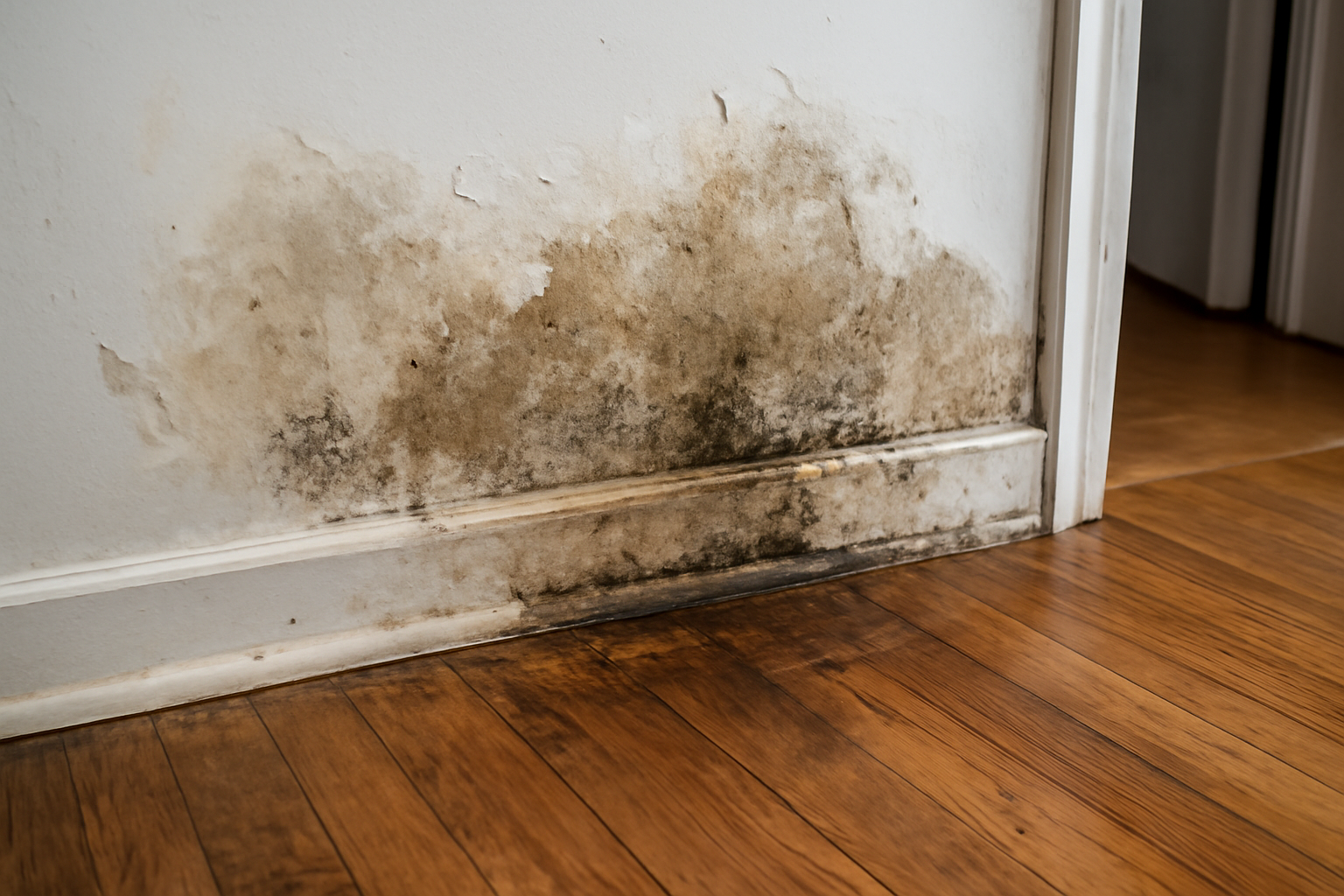
Warning Signs You Need Concrete Water Damage Restoration
Ignoring water damage to concrete can lead to costly repairs or even complete replacement. Don’t wait until it’s too late. Here are some warning signs you need concrete water damage restoration:
Musty Odors That Won’t Go Away
Strong, unpleasant odors that linger long after the water has been removed are a clear indication of water damage to concrete. Don’t ignore these signs, they can lead to mold growth and further damage.
Discoloration or Staining
Visible discoloration or staining on your concrete surface can be a sign of water damage. This can be caused by mineral deposits, rust, or other substances that have seeped into the concrete.
Cracks or Pitting
Cracks or pitting on your concrete surface can be a sign of water damage. These can be caused by water seeping into the concrete and causing it to expand and contract.
Water Stains or Rings
Water stains or rings on your concrete surface can be a sign of water damage. These can be caused by water seeping into the concrete and causing it to discolor or stain.
Soft or Spongy Concrete
Soft or spongy concrete is a clear indication of water damage. This can be caused by water seeping into the concrete and causing it to break down.
Swollen or Buckled Concrete
Swollen or buckled concrete is a sign of water damage. This can be caused by water seeping into the concrete and causing it to expand and contract.
Concrete Water Damage Restoration vs. DIY: When To Call a Professional
| Situation | DIY? | Call a Pro? | Why |
|---|---|---|---|
| Small water leak under a sink | Yes | No | You can likely fix the issue yourself with a few basic tools and some elbow grease. |
| Large water leak in a basement | No | Yes | This type of leak needs specialized equipment and expertise to address properly. |
| Water damage to a concrete floor | No | Yes | Concrete water damage needs specialized equipment and techniques to restore properly. |
| Musty odors in a basement | No | Yes | Ignoring musty odors can lead to mold growth and further damage. |
| Water stains on a concrete wall | No | Yes | Water stains can be a sign of underlying water damage that needs professional attention. |
| Soft or spongy concrete | No | Yes | Soft or spongy concrete is a clear indication of water damage that needs professional attention. |
Don’t take a DIY approach to concrete water damage restoration. Our team has the expertise and equipment to address the issue properly and prevent further damage. Contact us today to schedule a consultation and get started on the restoration process.
Concrete Water Damage Restoration Cost in Dayton, KY
The cost of concrete water damage restoration in Dayton, KY can vary widely depending on the severity of the damage, the size of the affected area, and local conditions. Our team provides free estimates and works closely with insurance companies to ensure a smooth claims process. Here’s a rough estimate of what you can expect to pay:
| Service | Typical Price Range | What Affects Cost |
|---|---|---|
| Water extraction | $500 – $2,500 | Size of affected area, type of equipment needed |
| Drying and dehumidification | $1,000 – $5,000 | Size of affected area, type of equipment needed |
| Concrete restoration | $2,000 – $10,000 | Size of affected area, type of concrete, extent of damage |
| Sealing and protection | $500 – $2,000 | Size of affected area, type of sealant used |
| Insurance claims processing | $0 – $1,000 | Complexity of claim, amount of documentation required |
Exact pricing will depend on an on-site assessment and a customized plan to address the issue. Contact us today to schedule a consultation and get a more accurate estimate for your specific situation.
Service Areas Near Dayton, KY
We serve the following communities in the Dayton, KY area: Erlanger, Fort Mitchell, Fort Thomas, Hebron, Latonia, Ludlow, Park Hills, Taylor Mill, Walton, Wilder, Bellevue, Boone County, Kenton County, and surrounding areas.
Common Questions About Concrete Water Damage Restoration
Q: How long does concrete water damage restoration take?
A: The length of time it takes to complete concrete water damage restoration depends on the severity of the damage, the size of the affected area, and the type of equipment needed. In general, we can complete the process within 3-5 days, but this can vary depending on the specific situation.
Q: Is concrete water damage restoration covered by insurance?
A: Yes, concrete water damage restoration is typically covered by insurance. We work closely with insurance companies to ensure a smooth claims process and get you the compensation you deserve. But, the extent of coverage will depend on your specific policy and the circumstances of the damage.
Q: Can I fix concrete water damage myself?
A: No, it’s not recommended to try to fix concrete water damage yourself. This type of damage needs specialized equipment and expertise to address properly. DIY tries can lead to further damage, mold growth, and even structural instability.
Q: How do I prevent concrete water damage in the first place?
A: Preventing concrete water damage needs regular maintenance and inspections. Check your property regularly for signs of water damage, and address any issues quickly. Consider installing a sump pump or French drain to help prevent water from accumulating in your basement or crawl space.