Don’t Let Corroded Pipes Flood Your Home
In Douglass Hills, KY, corroded pipes are a common issue that can cause serious water damage. In fact, according to the Insurance Information Institute, water damage is one of the most frequent causes of homeowners insurance claims. You might be surprised to learn that the average cost of water damage repairs is around $4,000, but with professional help, you can reduce the damage and restore your home quickly. Our team has seen it all, and we’re here to guide you through the process.
With over 165+ five-star reviews from satisfied customers, you can trust our team to handle your corroded pipe water removal needs. We’ve helped countless homeowners in the area restore their properties, and we’re confident we can do the same for you.
- Reduce Damage and prevent further corrosion with our fast and effective removal process.
- Our team is IICRC certified and equipped with the latest technology to ensure your home is restored to its original condition.
- Fast and Reliable Service that gets your home back to normal in no time.
How Our Corroded Pipe Water Removal Process Works
With corroded pipe water removal, our team follows a meticulous process to ensure the job is done right. We start by assessing the damage, identifying the source of the leak, and containing the affected area. Our technicians then use specialized equipment to extract the water, dry the area, and treat any affected surfaces with antimicrobial treatments. We work closely with your insurance company to ensure a smooth claims process, and we’ll provide you with a detailed report on the work we’ve done.
Step 1: Assessment and Containment
Our team will arrive on-site, assess the damage, and contain the affected area to prevent further water damage. We’ll identify the source of the leak and start the removal process. Our equipment is designed to extract water quickly and efficiently, reducing the risk of further damage.
Step 2: Water Extraction
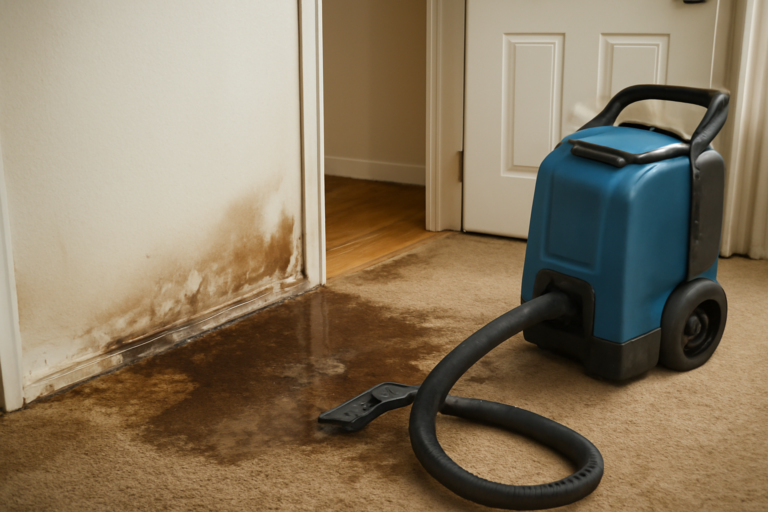
Using specialized equipment, our technicians will extract the water from the affected area. We’ll use truck-mounted pumps to remove water quickly and effectively, ensuring your home is restored to its original condition.
Step 3: Drying and Dehumidification
Once the water is removed, our team will use industrial-grade drying equipment to dry the area completely. We’ll also use dehumidifiers to remove excess moisture and prevent mold growth.
Step 4: Antimicrobial Treatment
We’ll treat any affected surfaces with antimicrobial treatments to prevent mold and mildew growth. This step is crucial in preventing further damage and ensuring your home remains safe and healthy.
Step 5: Final Inspection and Report
Our team will conduct a final inspection to ensure all damage has been removed and your home is restored to its original condition. We’ll provide you with a detailed report on the work we’ve done and ensure your insurance company is involved throughout the process.
Don’t wait until it’s too late. Contact us today to schedule an appointment and let our team take care of your corroded pipe water removal needs.
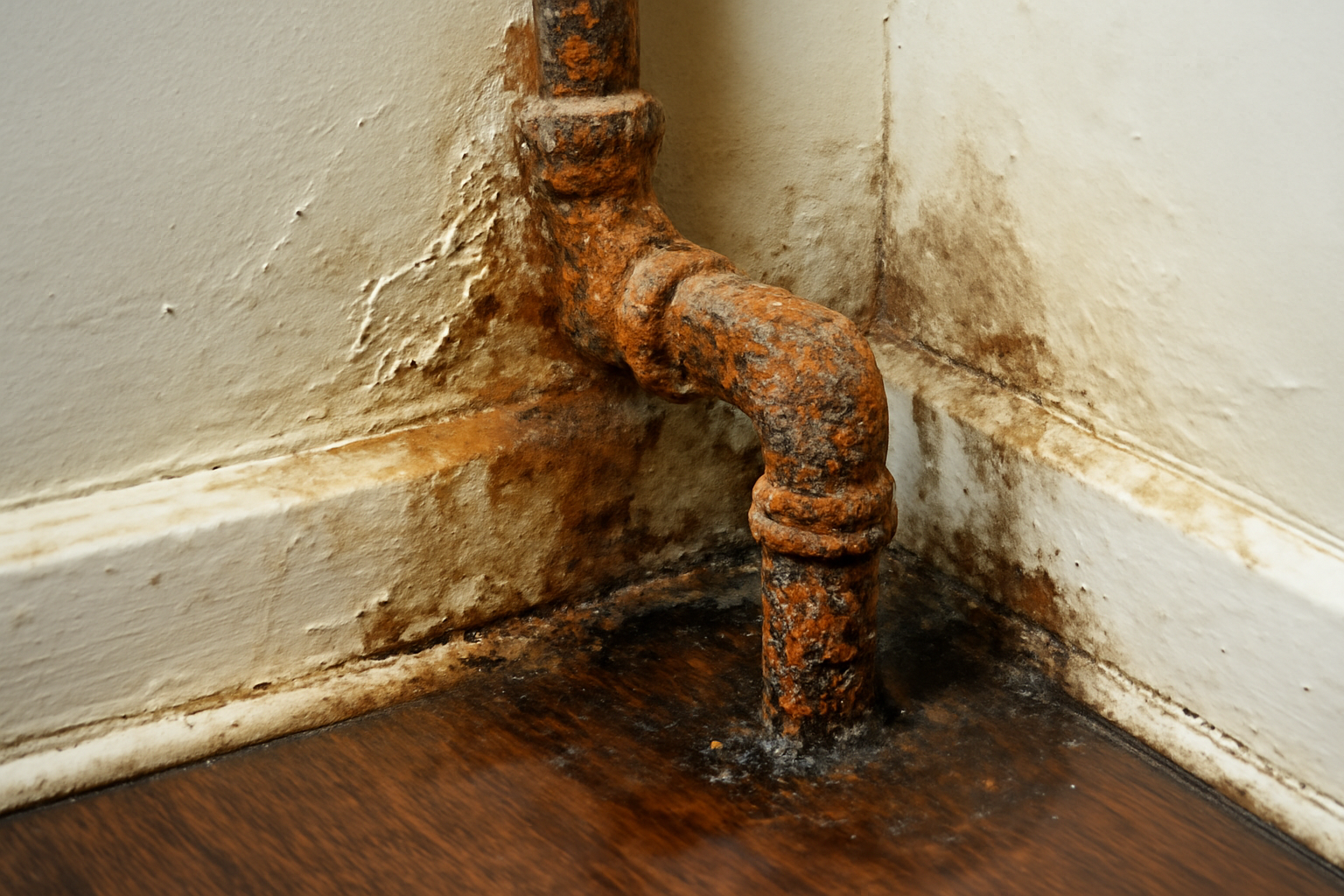
Warning Signs You Need Corroded Pipe Water Removal
Corroded pipes can cause significant water damage, but there are warning signs you can look out for to prevent further damage. Catching these signs early can save you thousands of dollars in repairs and prevent bigger problems down the line.
Musty Odors That Won’t Go Away
Strong musty odors in your home can be a sign of corroded pipes. These odors can be caused by mold and mildew growth, and if left unchecked, can cause serious health problems. Our team can help you identify the source of the odor and provide a solution to prevent further damage.
Water Stains on Ceilings and Walls
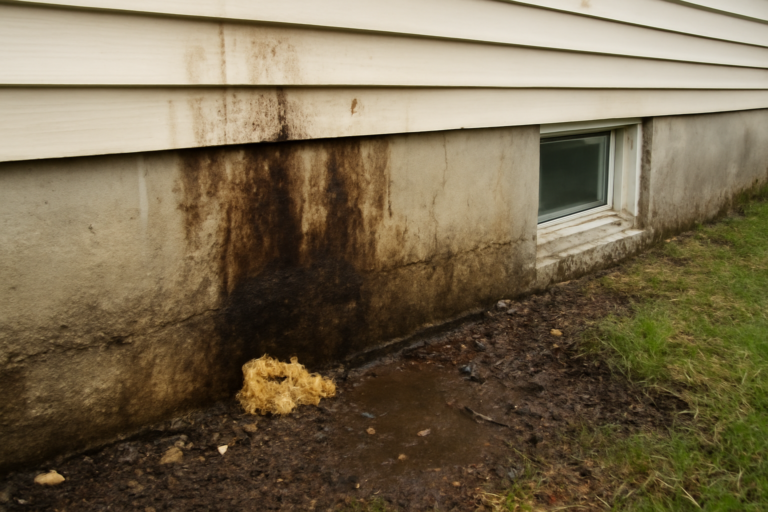
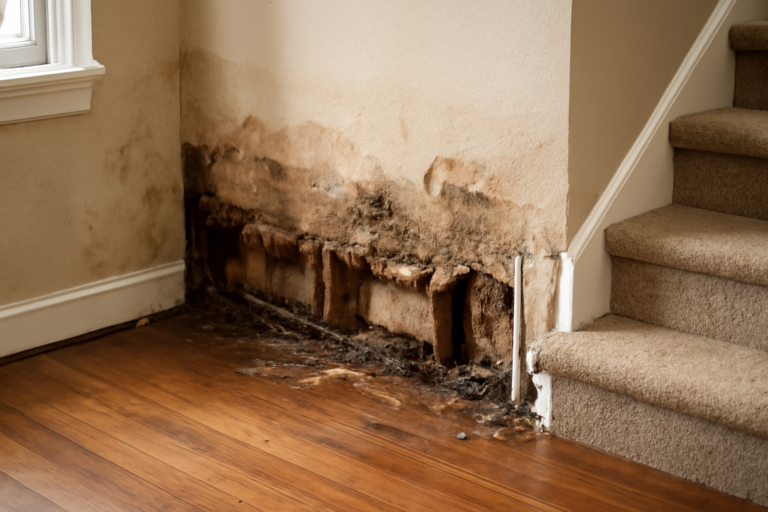
Water stains on your ceilings and walls can be a sign of a leaky pipe. These stains can be caused by mineral deposits from the water, and if left unchecked, can cause further damage to your home’s structure. Our team can help you identify the source of the stain and provide a solution to prevent further damage.
Discolored Water
Discolored water can be a sign of corroded pipes. If your water is discolored, it can be a sign of sediment or mineral buildup in the pipes. Our team can help you identify the source of the discoloration and provide a solution to prevent further damage.
Pipes Making Strange Noises
Pipes making strange noises can be a sign of corroded pipes. If your pipes are making unusual noises, it can be a sign of water flowing through the pipes at a faster rate than usual. Our team can help you identify the source of the noise and provide a solution to prevent further damage.
Water Leaks Under Sinks and Toilets
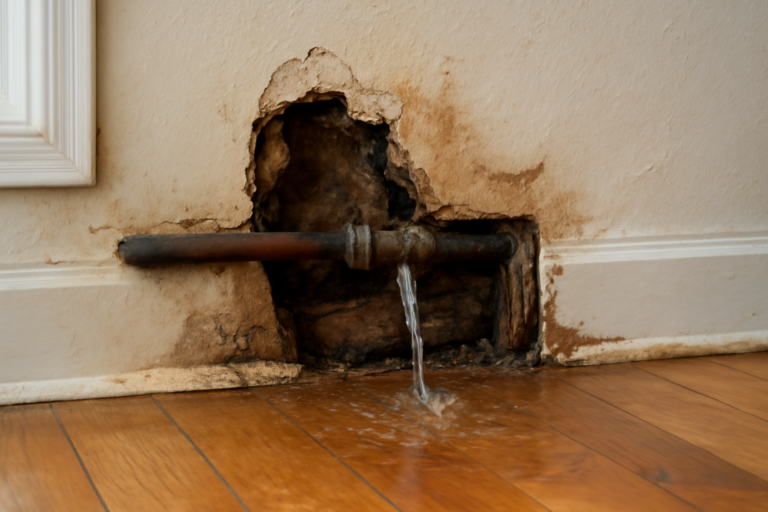
Water leaks under sinks and toilets can be a sign of corroded pipes. If you notice water leaking under your sink or toilet, it can be a sign of a leaky pipe. Our team can help you identify the source of the leak and provide a solution to prevent further damage.
Water Bills Increasing
Increasing water bills can be a sign of corroded pipes. If your water bills are increasing, it can be a sign of water flowing through the pipes at a faster rate than usual. Our team can help you identify the source of the increased water bill and provide a solution to prevent further damage.
Corroded Pipe Water Removal vs. DIY: When To Call a Professional
| Situation | DIY? | Call a Pro? | Why |
|---|---|---|---|
| Leak under a sink | Yes | Maybe | You can try to fix it yourself, but if the leak is severe, it’s best to call a professional to avoid further damage. |
| Water damage from a burst pipe | No | Yes | Water damage from a burst pipe needs specialized equipment and expertise to ensure the area is completely dry and safe for reconstruction. |
| Corroded pipes in the walls | No | Yes | Corroded pipes in the walls can be difficult to access and need specialized equipment to remove the damaged pipes and replace them with new ones. |
| Water stains on ceilings and walls | Yes | Maybe | You can try to fix the stain yourself, but if the stain is severe or you’re not sure what’s causing it, it’s best to call a professional to ensure the area is completely dry and safe for reconstruction. |
| Discolored water | No | Yes | Discolored water can be a sign of corroded pipes, and it’s best to call a professional to identify the source of the discoloration and provide a solution to prevent further damage. |
| Pipes making strange noises | Yes | Maybe | You can try to fix the noise yourself, but if the noise persists or you’re not sure what’s causing it, it’s best to call a professional to ensure the area is completely dry and safe for reconstruction. |
With corroded pipe water removal, it’s always best to err on the side of caution. If you’re unsure what’s causing the damage or how to fix it, it’s best to call a professional to ensure the area is completely dry and safe for reconstruction.
Corroded Pipe Water Removal Cost in Douglass Hills, KY
The cost of corroded pipe water removal can vary widely depending on the severity of the damage, the size of the affected area, and local conditions in Douglass Hills, KY. Our team will provide you with a detailed estimate of the costs involved and work closely with your insurance company to ensure a smooth claims process.
| Service | Typical Price Range | What Affects Cost |
|---|---|---|
| Water extraction | $500 – $2,000 | The size of the affected area, the type of equipment needed, and the time required to complete the job. |
| Antimicrobial treatment | $300 – $1,000 | The size of the affected area, the type of treatment needed, and the time required to complete the job. |
| Drying and dehumidification | $200 – $800 | The size of the affected area, the type of equipment needed, and the time required to complete the job. |
| Final inspection and report | $100 – $500 | The size of the affected area, the type of inspection needed, and the time required to complete the job. |
Exact pricing will depend on an on-site assessment, and we offer free estimates to all our customers. Contact us today to schedule an appointment and let our team take care of your corroded pipe water removal needs.
Service Areas Near Douglass Hills, KY
We serve the following areas: Anchorage, Barbourmeade, Bardstown, Bedford, Buechel, Clarksville, Crestwood, Fairdale, Fern Creek, Forest Hills, Floyds Knobs, Glenview Hills, Glenview, Green Spring, Henryville, Hillview, Jeffersontown, La Grange, La Grange, Lyndon, Maud, Maud, Middletown, New Albany, New Haven, New Salisbury, New Salisbury, Okolona, Park Hills, Prospect, Shepherdsville, Shively, Slaughter, Slaughter, Simpsonville, St. Matthews, St. Regis, Valley Station, Waddy, and West Louisville.
Common Questions About Corroded Pipe Water Removal
Q: How long does corroded pipe water removal take?
A: The length of time it takes to complete corroded pipe water removal depends on the severity of the damage and the size of the affected area. In most cases, it can take anywhere from 24 to 48 hours to complete the job. Our team will provide you with a detailed timeline of the work to be done and ensure your home is restored to its original condition as soon as possible.
Q: Will my home be safe for reconstruction after corroded pipe water removal?
A: Yes, your home will be safe for reconstruction after corroded pipe water removal. Our team will use specialized equipment to extract water, dry the area, and treat any affected surfaces with antimicrobial treatments. We’ll also provide you with a detailed report on the work we’ve done and ensure your insurance company is involved throughout the process.
Q: Can I try to fix corroded pipes myself?
A: No, it’s not recommended to try to fix corroded pipes yourself. Corroded pipes can cause significant water damage, and if not fixed properly, can lead to further damage and costly repairs. Our team has the expertise and equipment to fix corroded pipes quickly and effectively, ensuring your home is restored to its original condition.
Q: Will my insurance company cover corroded pipe water removal?
A: Yes, your insurance company will likely cover corroded pipe water removal. Our team will work closely with your insurance company to ensure a smooth claims process and provide you with a detailed report on the work we’ve done.