Laminate Floor Water Extraction in Elsmere, KY: Don’t Wait to Act
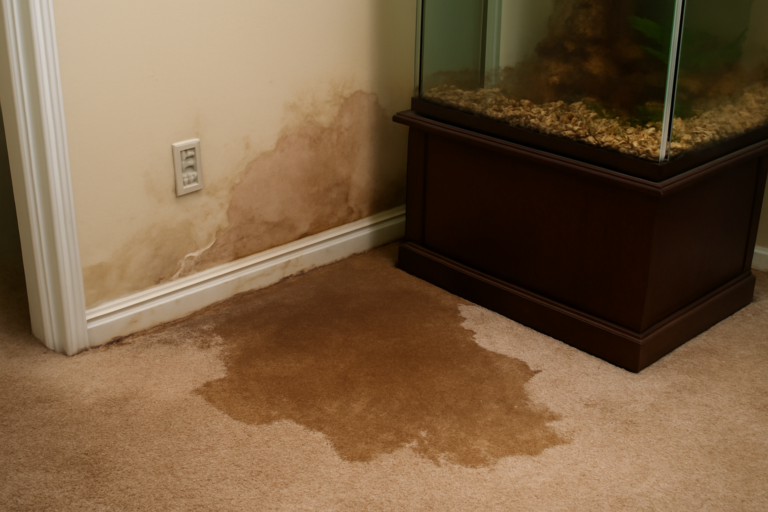
You’re walking into your kitchen and notice water pooling around the laminate floor near the sink. The sound of dripping water is getting louder by the second, and the smell of wet wood is starting to fill the air. You’ve got to act fast to prevent further damage. Our team is here to help you extract the water and restore your laminate floor to its original condition.
With over 165 five-star reviews from satisfied customers in Elsmere, KY and surrounding areas, you can trust our team to deliver exceptional service and results. We’ve helped countless homeowners like you navigate the process of Laminate Floor Water Extraction, and we’re confident we can do the same for you.
- Fast Response Times: We’ll be at your doorstep within 60 minutes to assess the damage and start the extraction process.
- Advanced Equipment: Our team uses state-of-the-art equipment to detect moisture levels, extract water, and dry your laminate floor efficiently.
- Expertise and Certifications: Our technicians are IICRC certified and have the knowledge and experience to handle even the toughest Laminate Floor Water Extraction jobs.
How Our Laminate Floor Water Extraction Service Works
Our team follows a strict process to ensure your laminate floor is restored to its original condition. We’ll start by assessing the damage, then extract the water using our advanced equipment, and finally, dry your floor to prevent further damage.
Step 1: Assessment and Containment
We’ll begin by containing the affected area to prevent further water damage. Our team will assess the damage, identify the source of the leak, and take steps to prevent further water from entering the area. We’ll also use moisture-reading equipment to find out the extent of the damage.
Step 2: Water Extraction
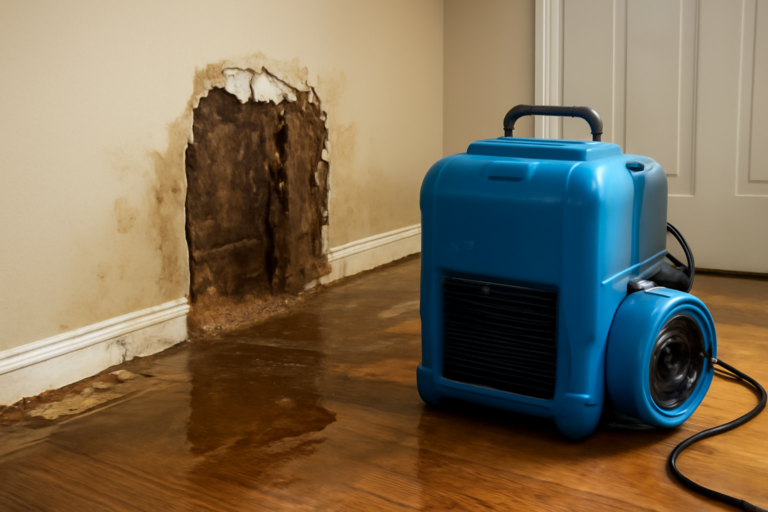
Next, our team will use our advanced equipment to extract the water from your laminate floor. We’ll use a combination of wet vacuums, pumps, and other specialized equipment to remove as much water as possible from the affected area.
Step 3: Drying and Dehumidification
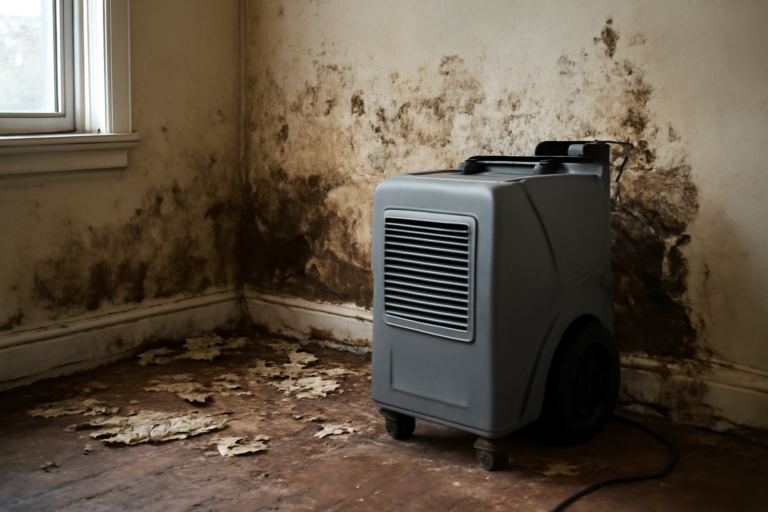
Once the water has been extracted, our team will use specialized drying equipment to dry your laminate floor. We’ll also use dehumidifiers to remove excess moisture from the air, preventing further damage to your floor and surrounding materials.
Step 4: Cleaning and Disinfection
Finally, our team will clean and disinfect your laminate floor to remove any remaining moisture, dirt, or bacteria. We’ll also apply a specialized coating to protect your floor from future water damage.
Don’t wait any longer to act. Call us today to schedule your Laminate Floor Water Extraction service and get back to living your life without the stress of water damage.
Warning Signs You Need Laminate Floor Water Extraction
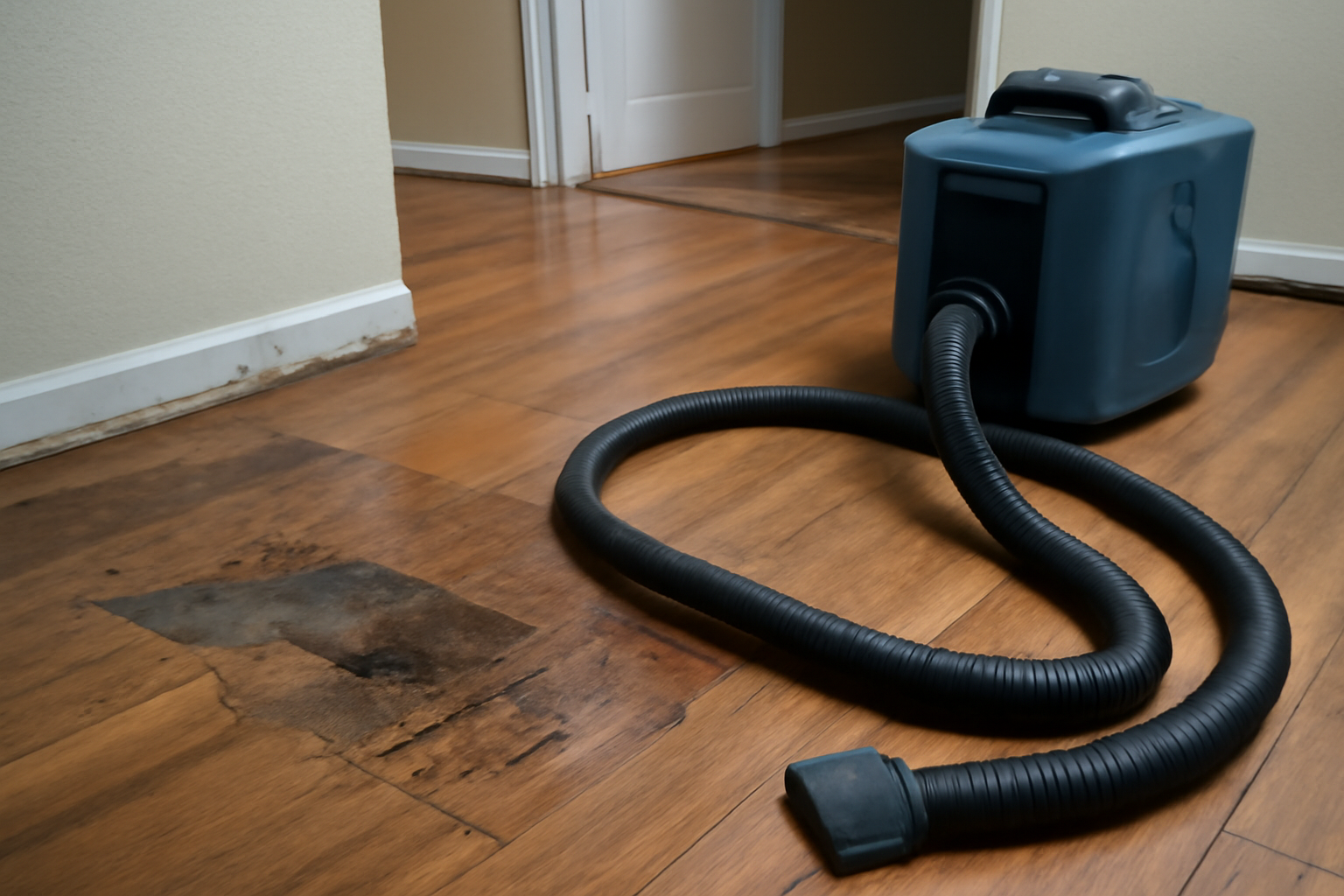
Catching these signs early can save you thousands of dollars in repairs and prevent further damage to your laminate floor. Don’t ignore these warning signs:
Musty Odors That Won’t Go Away
If you notice a persistent musty smell in your home, it may be a sign that your laminate floor has been exposed to water. This can lead to mold growth and further damage to your floor.
Warped or Buckled Laminate Flooring
Warped or buckled laminate flooring is a clear sign that your floor has been exposed to water. If left untreated, this can lead to further damage and even collapse of the floor.
Water Stains on Your Laminate Floor
Water stains on your laminate floor can be a sign of water damage. If left untreated, these stains can spread and cause further damage to your floor.
Peeling or Bubbling Laminate Flooring
Peeling or bubbling laminate flooring is a sign that your floor has been exposed to water. This can lead to further damage and even collapse of the floor.
Water Damage Underneath Your Laminate Floor
If you notice water damage underneath your laminate floor, it’s essential to act fast. This can lead to further damage to your floor and surrounding materials.
Water Damage to Your Subfloor
Water damage to your subfloor can be a sign of a more extensive problem. If left untreated, this can lead to further damage and even collapse of the floor.
Laminate Floor Water Extraction vs. DIY: When to Call a Professional
| Situation | DIY? | Call a Pro? | Why |
|---|---|---|---|
| Water damage is minor and contained. | Yes | No | You can handle minor water damage on your own with the right equipment and knowledge. |
| Water damage is extensive and widespread. | No | Yes | A professional team has the equipment and expertise to handle extensive water damage and prevent further damage to your laminate floor. |
| You’re not sure how to assess the damage. | No | Yes | A professional team can assess the damage and provide a comprehensive plan to restore your laminate floor. |
| Water damage is affecting your subfloor. | No | Yes | A professional team has the expertise to handle water damage to your subfloor and prevent further damage to your laminate floor. |
| Water damage is causing mold growth. | No | Yes | A professional team has the equipment and expertise to handle mold growth and prevent further damage to your laminate floor. |
| Water damage is causing warping or buckling of your laminate floor. | No | Yes | A professional team has the expertise to handle warping or buckling of your laminate floor and prevent further damage. |
Don’t risk further damage to your laminate floor by trying to handle water damage on your own. Call us today to schedule your Laminate Floor Water Extraction service and get back to living your life without the stress of water damage.
Laminate Floor Water Extraction Cost in Elsmere, KY
The cost of Laminate Floor Water Extraction can vary depending on the severity of the damage, the size of the affected area, and local conditions in Elsmere, KY. These are estimates, not guarantees, and the actual cost may be higher or lower.
| Service | Typical Price Range | What Affects Cost |
|---|---|---|
| Assessment and Containment | $200 – $1,000 | The extent of the damage and the size of the affected area. |
| Water Extraction | $500 – $2,500 | The amount of water extracted and the equipment used. |
| Drying and Dehumidification | $300 – $1,500 | The size of the affected area and the equipment used. |
| Cleaning and Disinfection | $100 – $500 | The extent of the damage and the equipment used. |
| Specialized Coating | $200 – $1,000 | The size of the affected area and the equipment used. |
| Follow-up Visits | $100 – $500 | The frequency and duration of follow-up visits. |
The final cost will depend on an on-site assessment and may vary depending on the specifics of your situation. We offer free estimates and will work with you to create a customized plan that fits your needs and budget.
Service Areas Near Elsmere, KY
We serve the following nearby communities:
Elsmere, KY, Walton, KY, Hebron, KY, Edgewood, KY, Crestview Hills, KY, Fort Mitchell, KY, Fort Thomas, KY, Newport, KY, Bellevue, KY, Dayton, KY, Villa Hills, KY, Erlanger, KY, Florence, KY, Union, KY, Richwood, KY, Wilder, KY, Ludlow, KY.
Common Questions About Laminate Floor Water Extraction
Q: Will my laminate floor be damaged permanently?
A: Not necessarily. With prompt and proper water extraction and drying, your laminate floor can be restored to its original condition. But, if left untreated, water damage can cause permanent damage to your floor.
Q: How long does the Laminate Floor Water Extraction process take?
A: The time it takes to complete the Laminate Floor Water Extraction process depends on the severity of the damage and the size of the affected area. Typically, it can take anywhere from 3-5 days to complete the process.
Q: Will I need to replace my laminate floor?
A: In some cases, yes. If the water damage is extensive and has caused significant warping or buckling of your laminate floor, it may be necessary to replace the entire floor. But, if the damage is minor, it’s possible to restore your floor to its original condition.
Q: Will my insurance cover the cost of Laminate Floor Water Extraction?
A: It depends on your insurance policy. Some insurance policies cover water damage, while others may not. We recommend checking your policy to see what’s covered and what’s not.