Cold Spring, KY
Temperature-Controlled Drying in Cold Spring, KYMoisture Mapping & Air Mover Placement For Drying
Temperature-Controlled Drying in Cold Spring includes moisture mapping, rapid structural drying services and water damage drying logs from local temperature-controlled drying specialists.
Answered 24/7
Expert Temperature-Controlled Drying Services in Cold Spring, Kentucky
In Cold Spring, moisture that dries unevenly can warp materials and leave hidden mold. Local pros control heat and airflow so drying is even and does not cause more damage.
Across Cold Spring and nearby communities, local pros use moisture mapping and thermal drying for water trapped in walls and floors, tracking readings until materials are back to normal.
Advanced Temperature-Controlled Drying Techniques in Cold Spring
Moisture Mapping
Local temperature-controlled drying specialists take regular moisture readings throughout the project. This monitoring verifies equipment performance and guides strategy adjustments.
Air Mover Placement for Drying
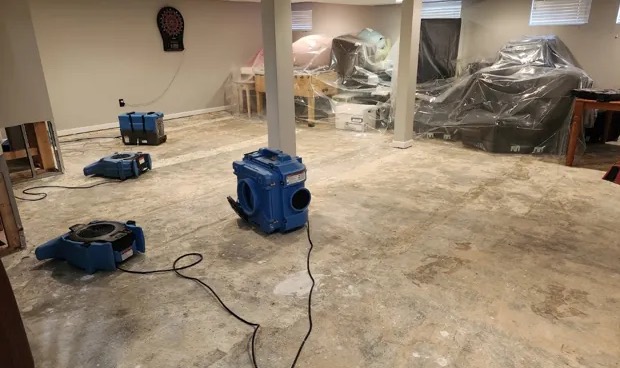
The specialists plan placement around furniture and walls, and may build air dams or blow air into cavities to cut drying time in Cold Spring homes.
Thermal Drying for Water Damage
Controlled heat combats water damage in hard-to-dry areas like enclosed cavities. Expert calibration of drying equipment avoids harm to sensitive contents.
Humidity Control for Restoration
The specialists run dehumidifiers to pull water vapor out of the air, which draws more moisture out of wet surfaces and prevents secondary damage.
Rapid Structural Drying Services
Rapid drying protocols focus on core materials providing a building's strength. The pros implement these methods for wood, concrete, and steel.
Warning Signs Requiring Temperature-Controlled Drying in Cold Spring
Paint Peeling or Bubbling Up
Paint loses adhesion and forms bubbles or peels away from the wall. This failure is caused by moisture trapped beneath the paint film.
Soft Drywall or Sagging Ceiling
Drywall feels spongy to the touch or a ceiling sags downward. This softness means the material is saturated and structurally compromised.
Cracking of Plaster or Joints
Plaster or drywall joint tape develops new cracks or fissures. These cracks occur as wet materials swell and then contract during drying.
Equipment Running With No Result
Fans or dehumidifiers that run for days without drying the area mean the moisture is deeper than household equipment can reach.
How Temperature-Controlled Drying Works in Cold Spring
Step 1: Assessment and Moisture Detection
The pros perform a thorough assessment using thermal imaging and moisture meters. This identifies the full extent of damage, guiding the drying plan.
Step 2: Containment and Airflow Strategy
Plastic barriers close off the wet area so humidity can be controlled, and air movers are placed to move air across wet materials.
Step 3: Thermal Drying System Activation
Specialized thermal drying equipment is activated to gently raise the air temperature in the space.
Step 4: Verification and Structural Drying Completion
Readings are compared with dry areas of the building to confirm drying is complete.
Causes of Persistent Dampness Requiring Controlled Drying in Cold Spring
Foundation Cracks and Seepage
Hydrostatic pressure forces groundwater through cracks in the foundation wall. This seepage creates a constant dampness that challenges standard drying technology.
Storm-Driven Water Intrusion
Heavy rain overflows gutters or gets in around windows and soaks framing and insulation.
HVAC System Condensation Issues
A clogged condensate drain line causes an overflow inside the air handler. This water can soak insulation and ductwork, creating a hidden moisture issue.
Inadequate Initial Water Extraction
Water left behind after a leak or flood moves into subfloors and walls, where it is harder to dry.
Temperature-Controlled Drying for Homes and Businesses in Cold Spring
Residential Temperature-Controlled Drying
At home, moisture hides in attics, crawl spaces and behind finished walls. Pros map it before setting up equipment so the whole house dries.
Commercial Temperature-Controlled Drying
In offices, schools and clinics, pros use quieter drying equipment that can run in occupied spaces, and document when drying is complete.
Professional Temperature-Controlled Drying vs. Do-It-Yourself in Cold Spring
Ventilating the area by opening windows can help if outdoor humidity is lower than indoors, but this is rarely controlled or sufficient. You can create a list of damaged items for a potential insurance claim.
Investing in Professional Temperature-Controlled Drying in Cold Spring
In Cold Spring, the cost depends on how much drying equipment is used and how long it runs, plus the moisture readings taken along the way.
Equipment Needs
The number and type of air movers, dehumidifiers and heaters used affect the cost.
Access and Logistics
Challenging site access in Cold Spring can complicate equipment deployment and placement, potentially increasing setup time and labor requirements.
Structural Material Types
Porous materials like concrete or dense wood require more aggressive drying strategies and extended monitoring, influencing the project timeline and cost.
Does Insurance Cover Temperature-Controlled Drying?
The specialists keep moisture readings and drying logs to support a claim. Policies differ, so verify coverage with your insurance representative.
Selecting Local Specialists for Temperature-Controlled Drying in Cold Spring
Strategic Equipment Deployment
Air movers and dehumidifiers are placed according to a plan for even airflow and low humidity.
24/7 Emergency Response
Quick action is critical to limit secondary damage, and the pros are available around the clock to begin the drying process.
Advanced Moisture Mapping
Moisture meters and thermal cameras find hidden wet pockets so every affected material is dried.
24/7 Emergency Temperature-Controlled Drying in Cold Spring
Don't let moisture settle in. For emergency deployment of drying equipment and strategic air mover placement to start controlled drying, reach the specialists directly at (502) 305-4876, available 24/7.
Call Now (502) 305-4876Temperature-Controlled Drying in Cold Spring and Other Areas Served
Help with temperature-controlled drying is available across Cold Spring, including thermal drying for water damage and climate-controlled drying systems.
- Temperature-Controlled Drying in Alexandria
- Temperature-Controlled Drying in Anchorage
- Temperature-Controlled Drying in Bancroft
- Temperature-Controlled Drying in Bardstown
- Temperature-Controlled Drying in Bellevue
- Temperature-Controlled Drying in Berea
- Temperature-Controlled Drying in Brandenburg
- Temperature-Controlled Drying in Brooks
Your Temperature-Controlled Drying Questions Addressed
How does thermal drying for water damage work?
Thermal drying applies carefully managed heat to increase the evaporation rate of moisture trapped within materials, accelerating the drying process while monitored to prevent damage.
What does drying equipment deployment involve?
Pros assess the loss, calculate how much equipment is needed and place air movers, dehumidifiers and sometimes heaters.
Is temperature-controlled drying safe for electronics or artwork?
Yes, when the pros use low heat and careful humidity control, it can be safe for drying sensitive materials and belongings.
What is temperature-controlled drying?
It is a drying method that controls heat and humidity together to remove moisture from building materials and contents safely and quickly.
What is the difference between air movers and dehumidifiers?
Air movers evaporate moisture from surfaces into the air, and dehumidifiers pull it back out of the air.