Campbellsville, KY · Taylor County
AC Unit Water Removal in Campbellsville, KYAC Leak Water Cleanup & AC Leak Water Extraction
AC Unit Water Removal in Campbellsville covers AC leak water cleanup, AC condensate drain clearing and wet AC unit component drying.
Answered 24/7
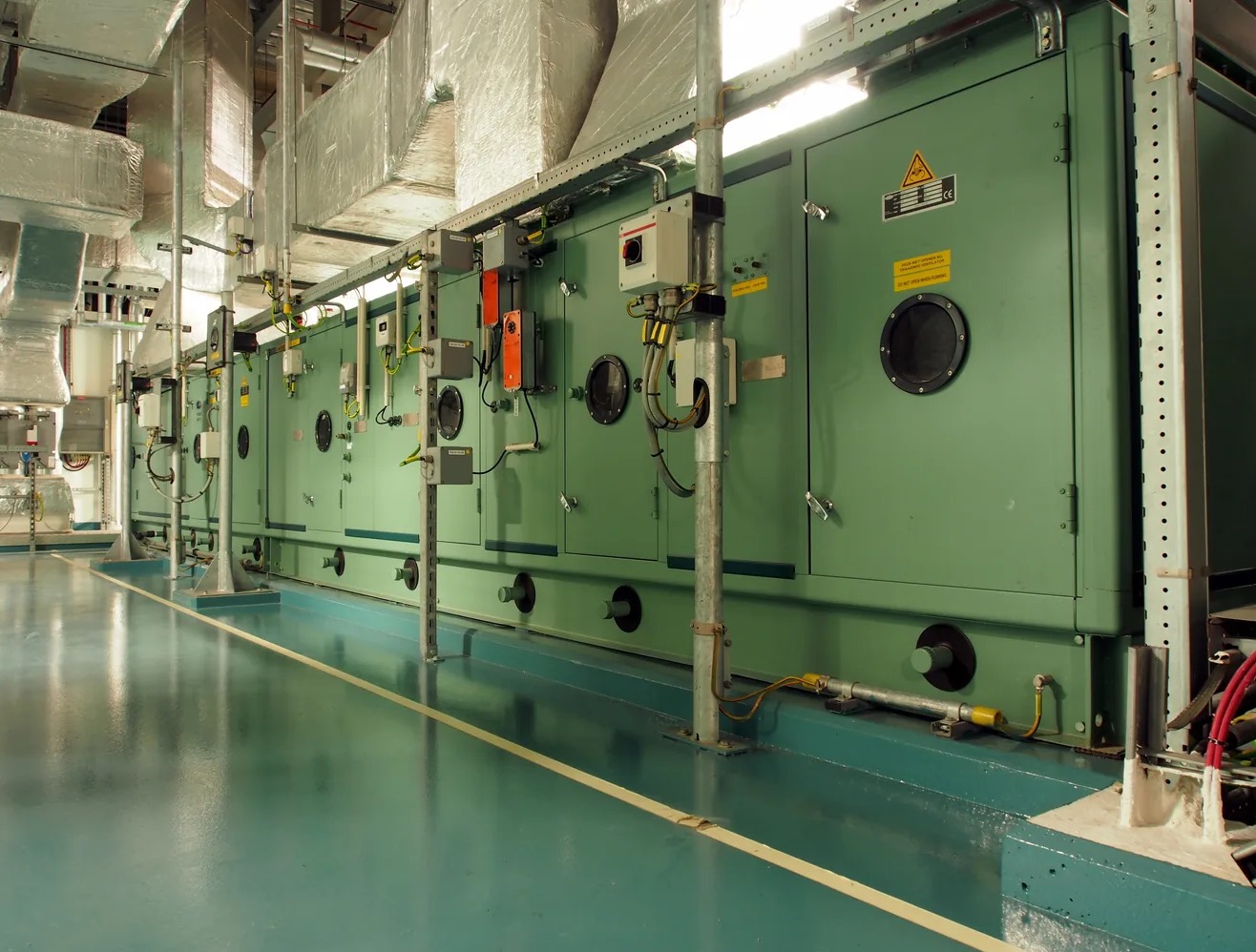
Professional AC Unit Water Removal in Campbellsville, KY
A leaking AC unit in Campbellsville can wet drywall, carpet and electrical parts within hours. Water that sits for more than a day or two also raises the risk of microbial growth on wood and paper-faced drywall.
Property owners in Campbellsville can call (502) 305-4876 day or night when an air handler starts leaking. Service also covers Lebanon and Liberty, with the same extraction, drain clearing and drying process for attic, closet and garage units in houses, condos and apartments.
Complete AC Unit Water Removal and Repair in Campbellsville
AC Leak Water Cleanup
Water from an overflowing air handler is extracted from the floor, closet or mechanical room, then nearby walls are checked with a moisture meter.
AC Leak Water Extraction
Water is removed from every wet surface the leak reached, including closets and rooms below an attic air handler.
AC Condensate Drain Clearing
The PVC drain line is cleared with suction or a flush, and the trap is checked so water stops backing up into the pan.
Emergency AC Water Removal
Help is available day or night for leaks that start after hours, when water dripping from an attic unit cannot wait until morning.
Wet AC Unit Component Drying
Air movers and a dehumidifier are set around the unit, and moisture readings are taken until the metal and insulation test dry.
Signs of AC Water Damage Requiring Removal
AC System Shuts Off
Many units have a float switch that shuts the system off when the pan fills. If the AC stops cooling, check the pan.
Visible Mold Near AC
Dark spots on drywall or framing near the unit mean the area has stayed wet for days.
High Indoor Humidity Levels
Rooms that feel clammy while the AC runs may mean water is not draining and is evaporating back into the air.
Musty Odors From Vents
A musty smell when the AC starts often means standing water in the pan or wet insulation in the ducts.
How AC Unit Water Removal Works in Campbellsville
Step 1: Leak Assessment
The pros find the source of the leak, check how far the water spread and take moisture readings.
Step 2: Source Stop and Water Removal
The drain is cleared or the leaking part isolated, then standing water is extracted from every wet area.
Step 3: System Drying and Dehumidification
Drying equipment runs until walls, floors and insulation test dry, with readings taken at each visit.
Step 4: Verification and Restoration
Final readings confirm the materials are dry, then damaged drywall, trim or ceiling panels can be replaced.
Common Causes of AC Unit Water Damage in Campbellsville
Disconnected Drain Line
A drain line knocked loose in the attic or closet empties condensate onto the ceiling or floor.
Damaged AC Drain Pan
Metal pans rust through and plastic pans crack with age, letting water drip straight through.
Age and Component Wear
Older units have worn fittings, brittle seals and corroded pans that start leaking together.
Dirty Air Filters
A clogged filter cuts airflow, which can freeze the coil and cause overflow when it melts.
Residential and Commercial AC Unit Water Removal in Campbellsville
Residential AC Unit Water Removal
Attic air handlers in houses leak into bedroom and hallway ceilings. The pan is emptied, the ceiling checked with a meter and wet drywall dried or cut out before it sags.
Commercial AC Unit Water Removal
Commercial systems have larger pans and longer drain runs. Clearing the line and drying ceiling tiles and carpet keeps the space open and safe for staff and customers.
When to Hire Local Pros for AC Unit Water Removal in Campbellsville
DIY works for a small puddle on tile that you catch right away and wipe dry. Wet carpet and pad, or drywall that feels soft, usually need professional extraction and drying equipment to dry fully.
AC Unit Water Removal Cost in Campbellsville, KY
An attic unit that leaked all night costs more to fix than a closet leak caught the same day. In Campbellsville, calling early is the simplest way to keep the bill down.
Preventative Treatment Scope
Antimicrobial treatment is an optional step, priced by the size of the area treated.
Required Drying Time
Dense materials and enclosed spaces take longer to dry, which means more equipment days.
Secondary Damage Presence
Wet ceilings, swollen baseboards or damp framing add removal and repair work to the job.
Does Insurance Cover AC Unit Water Removal?
Take photos before cleanup starts and keep receipts for any emergency work, such as extraction done at night. Both help when you file a claim for AC water damage with your insurer.
Advantages of Hiring Local Pros in Campbellsville for AC Unit Water Removal
Systematic Drain Line Clearing
The condensate line is cleared, not just the water mopped up, so the leak does not come right back.
Drain Pan Extraction
Both the main pan and the safety pan are emptied and checked for damage.
24/7 Emergency Response
Help is available any hour, which matters when an attic unit starts leaking into a ceiling at night.
24/7 Emergency AC Unit Water Removal in Campbellsville
Do not wait for a stained ceiling to start sagging under the weight of the water. Call (502) 305-4876 now for AC unit water removal in Campbellsville and get the drying started.
Call Now (502) 305-4876AC Unit Water Removal Service Area Including Campbellsville
Each place listed below has its own page with local details.
- AC Unit Water Removal in Lebanon
- AC Unit Water Removal in Liberty
- AC Unit Water Removal in Bardstown
- AC Unit Water Removal in Danville
- AC Unit Water Removal in Elizabethtown
- AC Unit Water Removal in Stanford
- AC Unit Water Removal in Harrodsburg
- AC Unit Water Removal in Radcliff
- Emergency Damage Restoration in 42718
- Storm Damage Restoration in 42718
- Water Damage Restoration in 42718
- Water Extraction Service in 42718
- Water Leak Detection in 42718
- Water Removal Service in 42718
- Emergency Damage Restoration in 42719
- Storm Damage Restoration in 42719
Common AC Unit Water Removal Questions Answered
Is air conditioner restoration separate from water removal?
Yes. Water removal and drying come first. Restoration covers repairs afterward, such as replacing drywall or ceiling panels.
Why document AC water damage?
Photos and moisture readings show what got wet and how it was dried, which helps your insurance claim.
Why does the drain pan need to be emptied?
A full pan overflows into ceilings and floors. Emptying and inspecting it stops the spill and shows whether the pan is cracked.
What clogs an AC condensate line?
Algae, sludge, dust and debris build up inside the line, especially over long cooling seasons, until water backs up into the pan.
What should I do while waiting for help with an AC leak?
Turn off the AC, place towels or a bucket under the drip, move belongings out of the way and take photos.