Louisville, KY · Jefferson County
Emergency Water Extraction in Louisville, KYFlooded Basement Water Extraction & Appliance Leak Water Cleanup
Emergency Water Extraction in Louisville covers flooded basement water extraction, standing water pump out and carpet water extraction service.
Answered 24/7
Professional Emergency Water Extraction in Louisville, KY
A burst pipe at night, a storm on a weekend and a sewer backup on a holiday all need the same thing: the water removed before it spreads.
Homes across Louisville have water heaters, washers and supply lines that fail without warning. Local water removal experts remove the water and dry the house, and the service reaches Jeffersonville, Clarksville and New Albany too.
Emergency Water Extraction and Water Mitigation
Flooded Basement Water Extraction
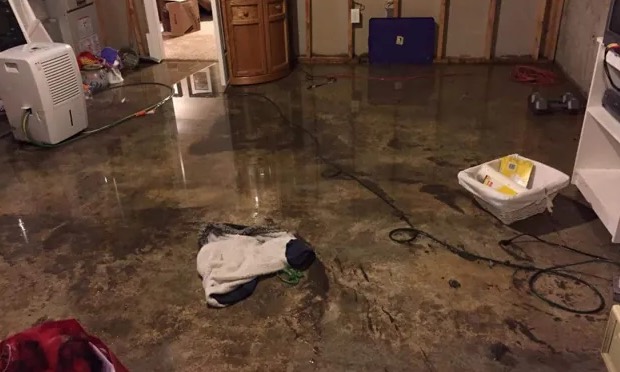
When a basement takes on water from a failed sump or a heavy rain, the pros pump it down, pull out wet carpet and pad and set up drying for the walls and slab.
Appliance Leak Water Cleanup
Water from an appliance leak often runs under cabinets and into the wall behind. Moisture readings find where it went so those areas get dried too.
Flooded Garage Water Extraction
A water heater or washer in the garage can flood it fast. The pros remove the water, move stored items to dry ground and dry the walls.
Hardwood Floor Water Extraction
Hardwood soaks up water fast. The pros extract from the surface, use drying mats on the boards and check the subfloor below with moisture meters.
Sewage Backup Water Extraction
Backups in floor drains and tubs bring bacteria into the home. Extraction, cleaning, and disinfection address contamination, followed by an assessment of conditions before reuse.
Signs You Need Professional Water Extraction
Water Coming Through the Ceiling
Drips, stains or a sagging ceiling mean water from above. Stay out from under it and turn off nearby lights.
Carpet That Squishes Underfoot
Carpet that squishes or feels wet means the pad is soaked. A shop vacuum will not reach the water held below.
Musty Smell After a Leak
A musty smell a day or two after a leak means moisture is still in the materials and drying is not complete.
Standing Water on the Floor
Any water deeper than a damp spot needs extraction. It spreads under walls and cabinets and soaks the subfloor.
How Emergency Water Extraction Works in Louisville
Step 1: Stopping the Water
The pros find the source and shut it off or isolate it, then make sure power to wet areas is safe.
Step 2: Standing Water Removal
Pumps remove deep water first, then extractors pull water from carpet, pad and hard floors.
Step 3: Moisture Mapping
Meters and thermal cameras show how far the water went inside walls, under floors and into cabinets.
Step 4: Water Mitigation and Drying
Air movers and dehumidifiers are set in each wet room and readings are taken daily until the materials are dry.
Common Causes of Water Damage in Louisville
Sewer and Drain Backups
Roots, grease and blockages in the main line can push sewage up through the lowest drains in the home.
Toilet and Tub Overflows
A clogged toilet or forgotten bath can overflow onto floors and through to the ceiling below.
Roof and Window Leaks
Damaged roofing and worn window seals let rain into ceilings and walls, where it collects before showing up inside.
Burst or Broken Supply Lines
A failed pipe or supply hose can release a large amount of water in a short time, often in a wall or under a sink.
Emergency Water Extraction for Houses, Offices and Shops
Residential Emergency Water Extraction
For a flooded basement, the pros pump out the water, remove wet carpet and drywall and dry the slab and walls.
Commercial Emergency Water Extraction
Commercial basements and lower levels with mechanical rooms get water pumped out first, and the equipment areas are dried before the rest.
When to Put Down the Shop Vac and Call Water Removal Experts
Take photos of every wet area before you move anything, then call your insurer. Small spills you can dry with towels; larger ones need professional extraction and drying.
Emergency Water Extraction Cost in Louisville, KY
Clean water from a supply line costs less to handle than sewage or floodwater, which require removal of soaked materials and disinfection.
Time of the Call
Night and weekend work can cost more than a job scheduled during regular hours.
Type of Water
Clean water, gray water from appliances and sewage each need different handling, and sewage costs the most.
Materials Affected
Carpet, hardwood, drywall and cabinets each dry differently. Some can be saved and some must be removed.
Does Insurance Cover Emergency Water Extraction?
Flood damage from outside water usually needs a separate flood policy. Water from a broken pipe inside the home is more often covered by a standard policy.
Reasons to Call Local Experts in Louisville
Finding Hidden Water
Moisture meters and thermal cameras find water inside walls and under floors that you cannot see.
Safe Handling of Dirty Water
Sewage and floodwater are cleaned and disinfected, and contaminated materials are removed.
Saving More Materials
Fast extraction and steady drying mean more carpet, hardwood and drywall can stay in place.
24/7 Emergency Water Extraction in Louisville
Water on the floor right now? Shut off the main valve if you can, stay away from wet outlets and call (502) 305-4876 for emergency water extraction in Louisville, any hour.
Call Now (502) 305-4876Where Emergency Water Extraction Is Available Near Louisville
Whether the water is in a house in Louisville or a shop in Jeffersonville, Clarksville and New Albany, the pros remove it and dry the building.
Emergency Water Extraction FAQs
How long does drying take after emergency water extraction?
Most homes take three to five days. Thick materials, hardwood floors and water that sat a long time can take longer.
What should I do if my basement floods?
Stay out if outlets or appliances are in the water. Call (502) 305-4876, and once power is safe, move items up and let the pros pump it out.
Do the pros handle commercial water extraction?
Yes. Offices, shops, restaurants and warehouses get the same extraction and drying, scaled to the size of the space.
What causes most indoor flooding?
Burst pipes, water heater failures, washer hoses, toilet overflows, drain backups and storm water cause most indoor floods.
Do the pros check for hidden water?
Yes. Moisture meters and thermal cameras show water inside walls, under floors and in cabinets so it can be dried.