Louisville, KY · Jefferson County
Moisture Mapping in Louisville, KYHidden Water Leak Mapping & Water Damage Assessment
Moisture Mapping in Louisville includes infrared moisture inspection, subfloor moisture detection and water damage assessment.
Answered 24/7
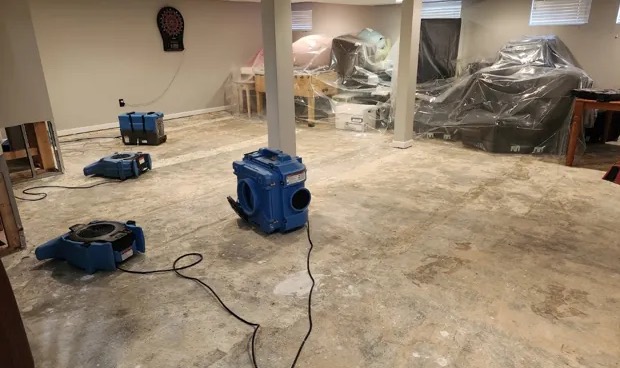
Local Moisture Mapping for Louisville Homes and Businesses
Accurate moisture mapping in Louisville provides the data needed to dry a structure completely. Without it, residual moisture can cause persistent odors, paint failure, and insect attraction. A professional assessment turns guesswork into a targeted, efficient restoration plan.
In Louisville and neighboring towns, thorough moisture mapping helps property owners avoid repeated issues. Incomplete drying often leads to callbacks for mold or odors. Local moisture detection specialists survey wall cavities and subfloors to prevent this. They check drying progress until all materials reach acceptable levels. Final checks complete the restoration.
Moisture Mapping Services in Louisville
Hidden Water Leak Mapping
In Louisville, water damage pros use moisture mapping to solve mystery leaks that cause stains or swelling. Pinpointing the hidden source stops the water at its origin, allowing for proper repairs and protecting the home from recurring moisture issues.
Water Damage Assessment
Water damage assessment combines visual inspection with moisture mapping data to evaluate the full scope of loss. It identifies the water category and the affected materials, which set the safety steps and cleanup methods.
Infrared Moisture Inspection
Infrared inspection uses thermal cameras to find hidden water within walls, ceilings, and floors in Louisville. This non-invasive method reveals temperature differences caused by moisture, creating a visual map for targeted drying.
Structural Drying Verification
Before closing a job, the pros perform structural drying verification. This final moisture map serves as a record for both the homeowner and, if applicable, for your insurer's review, confirming the completion of the drying phase.
Subfloor Moisture Detection
Subfloor moisture detection maps water presence beneath finished flooring. Using non-penetrating meters and infrared, the pros evaluate moisture levels in subflooring and joists to prevent rot, mold, and flooring failure after a leak or spill.
Signs in Louisville That Suggest a Moisture Survey Is Needed
Cracking Foundation Walls
Hairline cracks in basement or slab foundations may allow groundwater seepage, a cause for structural moisture inspection.
Musty Odors in Rooms
Persistent damp, earthy smells in a room, closet or basement indicate microbial mold fueled by excess moisture.
Damp Basement or Crawlspace
A damp feeling or musty smell under the home often means high moisture in the crawl space or subfloor.
High Indoor Humidity Levels
A hygrometer reading consistently above 60 percent relative humidity can promote condensation and hidden water damage.
How Moisture Mapping Works in Louisville
Step 1: Dry Standard Comparison
The specialists first take readings in dry areas of the building as a reference.
Step 2: Systematic Area Scanning
Using infrared and probe meters, pros scan all adjacent areas in a grid pattern, performing a wall cavity moisture survey to find anomalies.
Step 3: Moisture Extent Delineation
The perimeter of all wet areas is marked, creating a clear moisture map that defines the exact boundaries of the water damage for drying.
Step 4: Documentation for Verification
Photos, moisture readings and the completed map are documented to provide structural drying verification and support for insurance review processes.
What Leads to Needing Moisture Mapping in Louisville
Appliance Supply Line Failures
Washing machine, dishwasher or refrigerator water line ruptures can flood floors and saturate hidden structural materials.
Condensation Within Wall Cavities
Temperature differentials between interior and exterior surfaces cause vapor to condense inside walls unseen.
Sprinkler System Direction Errors
Landscape sprinklers constantly hitting a home's siding or foundation can slowly drive moisture into the structure.
HVAC Condensate Overflow
Clogged or disconnected AC drain pans overflow and soak drywall and insulation nearby.
Moisture Mapping Applications in Louisville Residences and Offices
Residential Moisture Mapping
Residential moisture mapping often focuses on living areas, basements and attics after leaks or floods. The pros check subfloors and use infrared to find all moisture and guide drying.
Commercial Moisture Mapping
In commercial buildings, mapping covers large floor areas, warehouse slabs and multi-story construction. The pros employ structural drying verification to confirm that building materials have returned to acceptable dryness levels post-mitigation.
The Risks of Skipping Professional Moisture Mapping
It is reasonable to shut off the main water valve if you locate an active leak and to wipe up standing water on non-porous floors. Mild surface dampness on tile or vinyl may be manageable. For a full water damage assessment and readings on all wet materials, call the pros in Louisville.
Factors Influencing Moisture Mapping Cost in Louisville
Pricing for moisture mapping depends on how easy it is to reach wet wall cavities and subfloors, how long it takes to find the source and how detailed the report needs to be.
Property Size
Larger homes in Louisville take longer to survey room by room, which affects the cost.
Access Challenges
Difficult-to-reach areas like tight wall cavities or finished basements slow the inspection and detection process.
Drying Verification
Return visits to confirm structural drying completion with post-flood moisture analysis add to the total service steps.
Does Insurance Cover Moisture Mapping?
For a valid water damage claim, the cost of professional moisture mapping could be included. The experts give your adjuster infrared results and damage maps. The decision to cover these diagnostics belongs to your insurance provider, so direct consultation is key.
Advantages of Professional Moisture Mapping in Louisville
Hidden Leak Identification
Mapping finds where hidden moisture starts and how far it spread inside walls, floors and cavities.
IICRC-Standard Methods
Moisture mapping follows industry protocols for accurate detection and clear, complete documentation.
24/7 Emergency Response
Fast moisture mapping is available around the clock to begin the water damage assessment process immediately.
Emergency Moisture Detection and Mapping in Louisville
Unseen moisture can quickly lead to mold growth. The specialists are available around the clock at (502) 305-4876 for urgent surveys in Louisville, KY. Quick action helps limit further damage.
Call Now (502) 305-4876Louisville and Surrounding Area Moisture Mapping
Moisture mapping gives restoration in Louisville the data it needs. Leak mapping and post-flood analysis are also available in Jeffersonville, Clarksville and New Albany, plus other nearby communities.
Louisville Moisture Mapping: Your Questions Answered
What does a water damage assessment include?
The assessment involves a visual inspection, moisture mapping, determining the water category and class, and creating a scope for the necessary restoration work.
How is a wall cavity moisture survey performed?
Professionals use non-invasive infrared scanning and may drill small probe holes for moisture meter access to assess moisture levels within interior wall assemblies.
Does subfloor moisture detection require removing flooring?
Not always. Thermal cameras can show likely wet areas, and some floor meters read through many floor coverings without removing them.
Can moisture mapping find hidden water leaks?
Yes, by combining infrared inspection with strategic moisture meter checks, mapping can pinpoint the source and spread of leaks inside walls and under floors.
What technology is used for humidity mapping?
Beyond moisture meters, tools like thermo-hygrometers map ambient humidity, and infrared thermography helps visualize moisture-related temperature anomalies in building envelopes.