Louisville, KY · Jefferson County
Deep Cleaning after Disasters in Louisville, KYPost-Fire Soot Cleaning & Post-Mold Remediation Cleaning
Deep Cleaning after Disasters in Louisville addresses post-flood deep cleaning, post-fire soot cleaning, and odor elimination after disasters.
Answered 24/7
Local Deep Cleaning after Disasters for Louisville Residents
After any disaster in Louisville, a home needs to be truly clean, with no lingering odor, not just tidy on the surface. Surface cleaning misses embedded soot, mold spores, and bacterial films that deep cleaning after disasters is designed to eliminate.
Deep cleaning after disasters for properties in Louisville and nearby places like Jeffersonville, Clarksville and New Albany involves post-flood deep cleaning to remove silt and bacteria from floods, plus post-fire soot cleaning to eliminate corrosive residues. Nearby neighborhoods and the center of Louisville are served the same way, with help available by phone at (502) 305-4876.
Deep Cleaning after Disasters Services in Louisville
Post-Fire Soot Cleaning
Fire damage leaves greasy, toxic residues. Post-fire soot cleaning focuses on eliminating these deposits to protect health and property. It is an essential part of post-disaster recovery.
Post-Mold Remediation Cleaning
After mold removal, a final deep clean is necessary. Post-mold remediation cleaning eliminates spores and residues from air and surfaces. It typically involves HEPA vacuuming and damp wiping within the contained area.
Odor Elimination After Disasters
Deep cleaning is integral to permanent odor removal. This combines surface cleaning with air purification technologies. The aim is to eradicate smells from fire, flood, or mold completely.
Disaster Debris Removal
Local post-disaster cleaning experts clear unsafe debris like storm-tossed branches and fire-damaged elements from areas in Louisville. This enables the detailed deep cleaning needed.
Post-Flood Deep Cleaning
After the water recedes, a deep clean follows. It removes silt, microbes and odors left by floodwater. The pros in Louisville focus on materials that can harbor bacteria.
Symptoms Calling for Deep Cleaning after Disasters in Louisville
Ash Dust in the HVAC System
Smoke particles moving through vents spread soot into every room the system serves.
Debris Embedded in Landscaping
Storm wreckage tangled in shrubs and fences is a safety hazard for the household.
Water Stains on Drywall and Wood
Discoloration and warping materials after a flood show absorbed moisture, which deep cleaning after water damage can remediate.
Fine Dust on Every Item After Fire
Soot infiltrates porous materials and electronics, requiring content cleaning and restoration to salvage valuable possessions.
How Deep Cleaning after Disasters Works in Louisville
Step 1: Emergency Containment Setup
To prevent cross-contamination, the experts in Louisville seal the work area with plastic barriers before starting post flood deep cleaning.
Step 2: Heavy Debris and Residue Removal
All bulk debris, damaged materials, and heavy soot deposits are safely removed as part of the initial disaster cleanup services phase.
Step 3: Deep Cleaning and Sanitizing
Every surface undergoes scrubbing, rinsing, and application of EPA-registered disinfectants during the post disaster sanitization process.
Step 4: Drying and Air Quality Restoration
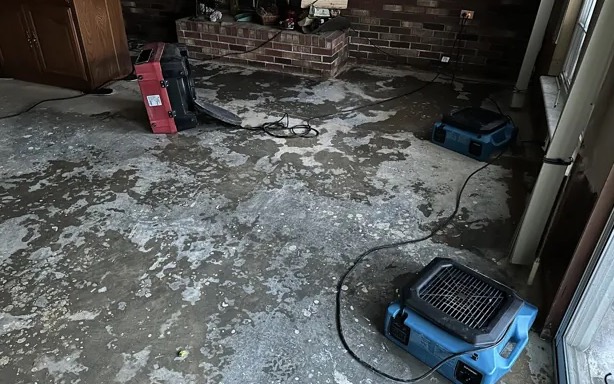
Industrial air movers and dehumidifiers dry the structure, while air scrubbers clean particulate matter to restore healthy indoor air.
Common Causes Requiring Deep Cleaning after Disasters in Louisville
Chronic Moisture Leading to Mold
Undetected leaks create perfect conditions for mold colonies, demanding deep cleaning after mold remediation to prevent regrowth.
Windstorms Toppling Trees and Structures
High winds can scatter sharp debris and compromise building integrity, followed by complex storm debris cleanup.
HVAC System Distributing Contaminants
Forced-air systems can spread soot or mold spores through the whole property.
Biohazard Incidents in the Home
Situations involving unsanitary conditions create health risks that are mitigated by final post-disaster sanitization procedures.
Deep Cleaning after Disasters for All Property Types in Louisville
Residential Deep Cleaning after Disasters
Oxidizers and sealers neutralize odors at the source. This creates a fresher, healthier indoor environment for your family.
Commercial Deep Cleaning after Disasters
Post-disaster sanitization for commercial clients involves disinfecting high-touch surfaces, restrooms, and food preparation areas to OSHA or equivalent standards.
The Risks of DIY Deep Cleaning after Disasters in Louisville
Wash washable fabrics in hot water with vinegar. For persistent odor elimination after disasters from smoke, mold, or chemicals, professional post disaster cleaning is needed. Pros use hydroxyl generators and thermal foggers to neutralize odors at the molecular level.
Cost Considerations for Deep Cleaning after Disasters in Louisville
For deep cleaning after disasters in Louisville, costs are influenced by the severity of the damage and the required sanitization level. A minor storm debris cleanup differs significantly in scope from a full-scale post-sewage backup decontamination process.
Final Sanitization Standards
Achieving hospital-grade disinfection after sewage backup involves more steps than a standard post-flood clean. The desired hygiene level impacts the process detail.
Contaminant Category
Category 3 sewage needs biocides and PPE; clean water does not. The contaminant level defines the safety and cleaning protocols.
Required Equipment
Jobs needing industrial air scrubbers, thermal foggers, or ozone machines incur higher operational costs than those using standard cleaning tools. The tech dictates part of the price.
Does Insurance Cover Deep Cleaning after Disasters?
Professional post disaster cleaning for content restoration is often part of personal property coverage. Document every damaged item with descriptions and photos for your adjuster to assess replacement or cleaning value.
Advantages of Deep Cleaning after Disasters by Post-disaster Cleaning Experts in Louisville
Safety-First Site Management
Establishing containment and using appropriate PPE to protect occupants and workers. Safety protocols are integral to professional disaster cleanup.
Post-Remediation Verification
Confirming cleaning effectiveness through visual inspection and, if needed, air quality checks. Verification provides confidence that the space is properly addressed.
Focus on Long-Term Results
The property is returned to safe, livable condition. The goal is a lasting result, not a surface clean.
24/7 Emergency Deep Cleaning after Disasters in Louisville
When you discover disaster damage needing immediate deep cleaning, call (502) 305-4876 for help. Postponing action can allow soot, mold, or sewage contaminants to spread and cause more extensive issues.
Call Now (502) 305-4876Deep Cleaning after Disasters Near Louisville: Areas Served
Deep cleaning after disasters is available in Louisville and nearby Jeffersonville, Clarksville and New Albany, with a focus on decontamination and odor removal.
Deep Cleaning after Disasters FAQs
Does deep cleaning after mold include the HVAC system?
It should include the HVAC system and ductwork, which can recirculate spores through the home.
Is post-mold remediation cleaning necessary?
Yes. Deep cleaning after mold removal clears stray spores and residue from surfaces and air.
What defines professional post disaster cleaning?
It is a multi-step process of decontamination, odor removal and sanitizing, not just surface cleaning.
Why is final post-disaster sanitization important?
Hospital-grade disinfectants kill remaining bacteria, viruses and fungi on surfaces before anyone moves back in.
Are homes safe during the deep cleaning process?
The experts establish containment with plastic sheeting, use negative air machines, and follow safety protocols to isolate the work area and protect other parts of the home from cross-contamination.