Lyndon, KY · Jefferson County
Industrial Dehumidification in Lyndon, KYWarehouse Moisture Control & Industrial Flood Damage Restoration
Industrial Dehumidification in Lyndon covers commercial water damage cleanup, industrial flood damage restoration and warehouse moisture control.
Answered 24/7
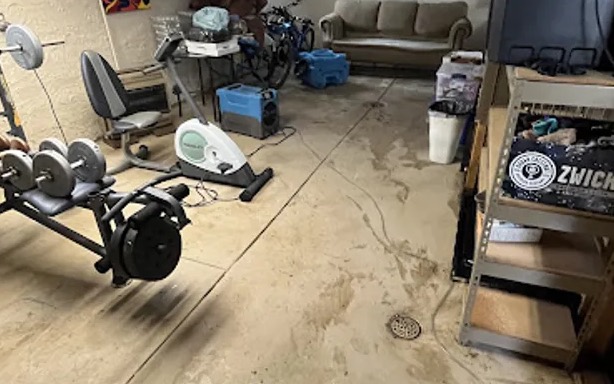
Professional Industrial Dehumidification in Lyndon, KY
Commercial water cleanup often involves large volumes of water. High-capacity extraction is the first step to limit mold and damage to the structure.
Industrial dehumidification is a priority for large facilities in Lyndon and nearby areas like Graymoor-Devondale, Hurstbourne and Woodlawn Park. Whether dealing with a burst pipe or ongoing humidity issues, local water damage pros apply commercial dehumidification techniques.
Industrial Dehumidification Services in Lyndon
Warehouse Moisture Control
Managing warehouse air quality requires continuous moisture removal. Systems run to prevent rust on metal shelving and spoilage of goods.
Industrial Flood Damage Restoration
Restoring a flooded plant requires drying the entire environment. Pros reach moisture in high ceilings, equipment pits and storage areas.
Emergency Water Removal
Standing water poses immediate safety hazards and accelerates damage. Once the water is gone, industrial dehumidification addresses the saturated atmosphere and materials.
Disaster Recovery Drying
After a disaster in Lyndon, heavy-duty drying equipment brings humidity down so repairs can start safely.
Industrial Humidity Reduction Systems
Some buildings stay humid long after a leak. Dehumidifiers can be left running to hold humidity at a set level until the building is stable.
Warning Signs You Need Industrial Dehumidification
Condensation on Pipes
Sweating pipes and ducts drip water and raise the humidity in the space even further.
Noticeable Water Pooling
Standing water in a warehouse or industrial space needs to be removed before drying can start.
Soggy Inventory or Stock
Wet cardboard, damaged goods or damp raw materials mean humidity in the building is not under control.
Elevated Humidity Levels
Sticky air and condensation on windows or metal surfaces mean humidity in the building is too high.
How Industrial Dehumidification Works in Lyndon
Step 1: Initial Water Damage Cleanup
Pumps and extractors remove the visible water to stop more damage and remove slip hazards.
Step 2: Establish Drying Environment
The area is closed off and dehumidifiers lower the humidity so moisture leaves the materials.
Step 3: Execute Structural Drying Plan
Air movers push air across wet surfaces so the water evaporates and the dehumidifiers collect it.
Step 4: Final Dryness Verification
The job ends when readings show the structure and contents are back to normal dryness.
Sources of Moisture in Industrial and Commercial Buildings
Fire Suppression System Activation
A sprinkler discharge can leave a large amount of water to extract and dry.
Foundation Cracks and Seepage
Groundwater pushed up through cracks in slabs and walls keeps lower areas damp.
Poor Ventilation and Airflow
Poor ventilation traps moisture from work processes and people inside the building.
HVAC System Condensation Issues
Cooling systems that are poorly maintained or oversized can produce a lot of condensation and raise humidity.
Industrial Dehumidification for All Properties in Lyndon
Residential Industrial Dehumidification
A flooded basement or crawl space can ruin stored items and weaken foundations. Pros extract the water and dry the structure to prevent costly repairs later.
Commercial Industrial Dehumidification
Restaurant kitchens, stockrooms and offices all need humidity under control after water damage. Commercial dehumidifiers protect equipment and goods from rust and mold.
Industrial Dehumidification vs. DIY: When to Call the Pros
Move valuable items and equipment out of the wet area to limit losses. Finding hidden water in walls and under floors takes moisture meters and commercial drying equipment.
Industrial Dehumidification Pricing in Lyndon
In Lyndon, the cost depends on how many days the dehumidifiers run and how many air movers the job needs.
Drying Time Required
How long the dehumidifiers must run to reach dry readings is a main cost component.
Structural Material Type
Concrete, wood and steel dry differently, which changes the approach and the time.
Access Complexity
Hard-to-reach areas in a warehouse or plant take longer to set up equipment in.
Does Insurance Cover Industrial Dehumidification?
The water damage restoration pros in Lyndon document the full extent of microbial growth and the underlying conditions, providing this evidence for the insurer to evaluate against the policy's terms.
Why Choose Local Pros for Industrial Dehumidification in Lyndon
Industrial-Grade Equipment
High-capacity dehumidifiers and air movers are sized for warehouses and other large spaces.
Detailed Moisture Documentation
Meters and sensors track humidity and moisture, so you can see drying progress day by day.
Humidity Reduction Systems
Dehumidifiers can stay in place until humidity in the building is stable.
Emergency Flood Response in Lyndon
The longer water sits in a commercial building, the more damage and mold it causes. For industrial drying in Lyndon, call (502) 305-4876 around the clock.
Call Now (502) 305-4876Areas Served for Industrial Dehumidification Near Lyndon
Industrial drying for plants and warehouses is available in Lyndon and in nearby Graymoor-Devondale, Hurstbourne and Woodlawn Park.
- Industrial Dehumidification in Graymoor-Devondale
- Industrial Dehumidification in Hurstbourne
- Industrial Dehumidification in Woodlawn Park
- Industrial Dehumidification in Fairmeade
- Industrial Dehumidification in Bancroft
- Industrial Dehumidification in St. Matthews
- Industrial Dehumidification in Crossgate
- Industrial Dehumidification in Ten Broeck
Industrial Drying FAQ for Lyndon Clients
How long does industrial flood damage restoration take?
It depends on how much water there was, what got wet and the humidity. Large jobs often take several days to a few weeks.
Can humidity control prevent future mold problems?
Keeping warehouse humidity low with dehumidifiers protects stored goods and the building from moisture damage.
What areas need drying after a warehouse flood?
All wet areas: floors, walls, stored contents and often the subfloor and insulation as well.
What is included in commercial water damage cleanup?
It covers water extraction, handling of affected contents, antimicrobial treatment when needed, structural drying and ongoing humidity control.
Does all water require the same cleanup approach?
No. Clean water from a supply line, gray water from appliances and black water from sewage each need different safety and cleanup steps.