Anchorage, KY · Jefferson County
Rapid Structural Drying in Anchorage, KYSubfloor Drying & Crawl Space Drying
Rapid Structural Drying in Anchorage involves emergency structural drying, wall cavity drying, and flood drying services from restoration pros.
Answered 24/7
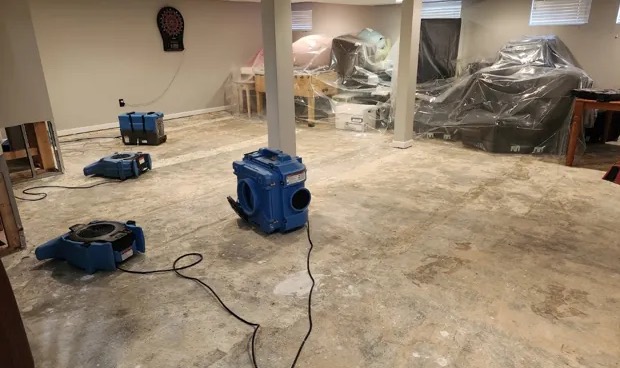
Rapid Structural Drying Solutions in Anchorage, Kentucky
Wall cavities act as hidden reservoirs for water after a leak. Insulation and framing inside walls hold moisture long after surface water is gone.
For commercial structural drying in Anchorage, businesses benefit from rapid intervention to limit downtime and damage. Assistance is available throughout the region, such as in Middletown, Douglass Hills and Rolling Hills, with 24/7 availability.
Comprehensive Rapid Structural Drying Solutions
Subfloor Drying
A soaked subfloor is a priority for structural drying. The process involves moisture mapping to determine the extent of saturation.
Crawl Space Drying
Crawl spaces are vulnerable to groundwater and plumbing leaks. Effective drying here combines pumping, debris removal, and the strategic placement of air movers and dehumidifiers.
Emergency Structural Drying
The priority after water damage is rapid drying. Powerful drying systems are then activated to aggressively remove water vapor and protect the building's integrity.
Concrete Slab Drying
Concrete slabs retain moisture long after surface water is gone, leading to efflorescence and flooring adhesive failure.
Flood Drying Services
Floodwaters affect every porous material they touch. The operation runs 24/7 until the environment is controlled.
When Rapid Structural Drying Is Needed
Soggy or Spongy Drywall
Drywall that feels soft to the touch has absorbed a lot of water and needs drying right away.
Recent Plumbing Leak or Flood
Any recent leak or flood can leave water inside walls and floors even after surfaces look dry.
Mold Growth on Baseboards
Mold appearing along floor edges often points to hidden moisture in wall cavities or subfloors needing extraction.
Peeling Paint or Wallpaper
Paint or wallpaper that is blistering and peeling is often caused by hidden moisture behind the surface.
How Rapid Structural Drying Works in Anchorage
Step 1: Emergency Assessment and Moisture Mapping
The pros first perform a detailed inspection using moisture meters and thermal imaging to create a precise moisture map of all affected structural areas.
Step 2: Strategic Flood Drying Setup
Based on the moisture map, air movers and dehumidifiers are placed where they dry the wet materials fastest.
Step 3: Targeted Cavity and Subfloor Drying
Hidden moisture in walls and subfloors is dried with injection systems or drying mats, without tearing out the finishes.
Step 4: Verification and Structural Dehumidification
Pros check moisture levels with meters and adjust equipment until all materials meet dry targets.
Common Causes of Water Damage Requiring Rapid Structural Drying in Anchorage
Roof Leaks From Storm Damage
Wind-driven rain or damaged shingles allow water to infiltrate attics and wall cavities, leading to widespread structural moisture.
Landscaping or Grading Problems
Improper yard slope can direct water toward a foundation, leading to persistent dampness in slabs and crawl spaces.
Overflowing Sinks or Bathtubs
A bathroom overflow can send water under flooring and into wall cavities, where it stays hidden.
Clogged Gutters and Downspouts
When gutters overflow, water pools against the foundation and can seep into crawl spaces, slabs and lower walls.
Property Types Requiring Rapid Structural Drying in Anchorage
Residential Rapid Structural Drying
Crawl space drying is critical in homes to stop wood rot and pest infestation. The pros run drying ducts and desiccant dehumidifiers under the house until it reads dry.
Commercial Rapid Structural Drying
Offices get drying plans that run in phases, floor by floor, so wall cavities and ceiling plenums are dried with the least disruption.
The Risks of Attempting Rapid Structural Drying Yourself
You can pull up soaked rugs and padding so the subfloor can start drying. Check other rooms for signs of spreading moisture, such as damp baseboards or swelling trim.
Factors Affecting Rapid Structural Drying Pricing
For commercial drying in Anchorage, cost depends on how long the business is interrupted and the size of the drying setup.
Project Duration
The total time needed for complete structural dehumidification and achieving dry standards affects the overall labor and equipment rental period.
Affected Structural Materials
Drying dense materials like concrete slabs or enclosed wall cavities demands specialized techniques and longer durations than drying open areas.
Extent of Water Damage
The square footage and depth of saturation in materials like drywall and subflooring directly impact the drying time and equipment needed.
Does Insurance Cover Rapid Structural Drying?
Commercial structural drying may be covered under a business property policy if the water damage is from a covered event. The business owner should initiate the claim and provide all documentation to their insurer.
Advantages of Hiring Water Damage Pros in Anchorage
Advanced Moisture Detection
Tools like thermal imagers and moisture meters are used for accurate moisture mapping to find hidden water.
IICRC-Standard Drying Methods
Drying follows set targets checked with meters, which prevents damage from moisture left behind.
Water Mitigation Drying Expertise
The approach is part of a complete water mitigation process to stabilize the property quickly.
24/7 Rapid Structural Drying When You Need It
After a burst pipe or flood in Anchorage, call (502) 305-4876 any time, day or night, so drying can start before materials soak further.
Call Now (502) 305-4876Local Rapid Structural Drying Coverage Area
Structural drying is available for homes across Anchorage, and in nearby places such as Middletown, Douglass Hills and Rolling Hills.
- Rapid Structural Drying in Middletown
- Rapid Structural Drying in Douglass Hills
- Rapid Structural Drying in Rolling Hills
- Rapid Structural Drying in Fincastle
- Rapid Structural Drying in Ten Broeck
- Rapid Structural Drying in Hurstbourne
- Rapid Structural Drying in Bancroft
- Rapid Structural Drying in Graymoor-Devondale
- Emergency Damage Restoration in 40223
- Storm Damage Restoration in 40223
- Water Damage Restoration in 40223
- Water Extraction Service in 40223
- Water Leak Detection in 40223
- Water Removal Service in 40223
Rapid Structural Drying FAQs
What is rapid structural drying?
Rapid structural drying is a focused water mitigation process using industrial equipment to quickly remove moisture from building materials like walls, floors, and substructures to prevent further damage.
Why is wall cavity drying important after a leak?
Water trapped inside wall cavities can lead to hidden mold, wood rot, and compromised insulation.
What is involved in subfloor drying?
Subfloor drying involves using specialized air movers and dehumidifiers to draw moisture out of the wooden or concrete layer beneath flooring, often requiring access panels or strategic placement of equipment.
When is crawl space drying necessary?
Crawl space drying is necessary when flooding or high humidity saturates this enclosed area, as trapped moisture can damage foundation piers, joists, and lead to mold growth throughout the home.
What happens if wall cavity drying is delayed?
Delayed wall cavity drying allows moisture to promote mold growth inside walls, degrade insulation, and potentially weaken drywall or wooden studs, leading to more extensive and invasive repairs.