Muldraugh, KY · Meade County
Rapid Structural Drying in Muldraugh, KYFlood Drying Services & Crawl Space Drying
Rapid Structural Drying in Muldraugh involves emergency structural drying, wall cavity drying, and flood drying services from restoration pros.
Answered 24/7
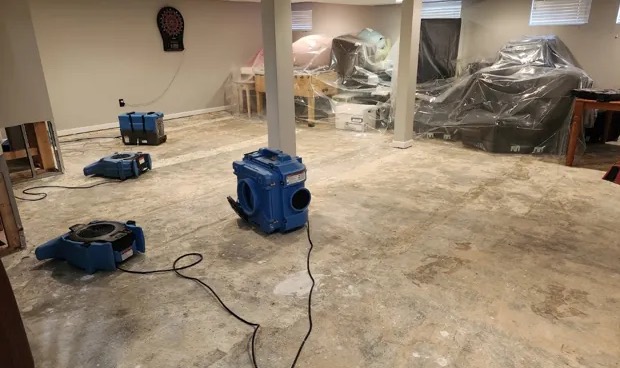
Expert Rapid Structural Drying for Muldraugh Properties
Water intrusion from plumbing failures or weather events threatens structural integrity in any property. Untreated moisture leads to wood rot, mold growth and compromised building materials.
Structural moisture removal in Muldraugh addresses both visible and hidden water damage in homes and businesses. Service areas include nearby locations like Fort Knox, West Point and Radcliff for added convenience.
Tailored Rapid Structural Drying for Muldraugh
Flood Drying Services
Major flooding requires comprehensive drying strategies. The process scales up extraction and drying equipment to manage the volume of water involved, focusing on structural integrity first.
Crawl Space Drying
Properties in Muldraugh may have crawl spaces affected by seasonal moisture. The pros seal vapor barriers and run drying equipment until wood moisture content returns to safe levels.
Emergency Structural Drying
The priority after water damage is rapid drying. Powerful drying systems are then activated to aggressively remove water vapor and protect the building's integrity.
Structural Dehumidification
The core of rapid structural drying is aggressive dehumidification. Using low-grain refrigerant (LGR) or desiccant units, pros control the environment to halt secondary damage.
Wall Cavity Drying
Interior walls can absorb significant moisture from leaks or floods. Wall cavity drying involves accessing the space between studs to direct airflow and desiccant dehumidification.
When Rapid Structural Drying Is Needed
Recent Plumbing Leak or Flood
Any recent leak or flood can leave water inside walls and floors even after surfaces look dry.
Peeling Paint or Wallpaper
Paint or wallpaper that is blistering and peeling is often caused by hidden moisture behind the surface.
Damp Spots on Concrete Floors
Persistent dampness on a concrete slab can leave white mineral deposits and loosen flooring adhesive.
Water Pooling in Crawl Spaces
Standing water under your home puts floor framing at risk and needs pumping and drying.
How Rapid Structural Drying Works in Muldraugh
Step 1: Initial Inspection and Damage Documentation
The pros document all visible damage with photos and initial moisture readings, providing a baseline for the drying protocol and your insurance.
Step 2: Implementation of Structural Drying Plan
A customized drying plan is executed, placing air scrubbers, dehumidifiers, and specialized fans to achieve rapid structural drying in walls and floors.
Step 3: Continuous Moisture Monitoring Process
Pros take readings each day and move equipment as areas dry, so drying keeps moving.
Step 4: Completion of Emergency Structural Drying
Once all materials meet the required dryness standards, the emergency structural drying phase is complete, and equipment is removed from your property.
What Leads to Needing Rapid Structural Drying
Appliance Malfunctions and Leaks
Faulty water heaters, washing machines, or dishwashers can leak slowly, causing hidden damage in walls and floors over time.
Poor Ventilation in Enclosed Spaces
Inadequate airflow in crawl spaces or wall cavities traps moisture, promoting rot and mold that experts must address.
Clogged Gutters and Downspouts
When gutters overflow, water pools against the foundation and can seep into crawl spaces, slabs and lower walls.
HVAC System Condensation Issues
Clogged drain lines or faulty condensate pumps from air handlers can cause significant water damage inside walls and ceilings.
Rapid Structural Drying for Homes and Businesses
Residential Rapid Structural Drying
Homeowners face risks from hidden moisture in attics and crawl spaces. Emergency structural drying services use air scrubbers and focused drying to safeguard indoor air quality and the home's structural integrity from slow leaks.
Commercial Rapid Structural Drying
Warehouses and industrial facilities need large-scale drying for wide concrete floors. Professionals employ drying strategies and moisture mapping to prevent corrosion of inventory and structural components.
Why DIY Rapid Structural Drying Often Fails
You can pull up soaked rugs and padding so the subfloor can start drying. Check other rooms for signs of spreading moisture, such as damp baseboards or swelling trim.
Factors Influencing Rapid Structural Drying Costs
Several factors determine rapid structural drying cost for a home in Muldraugh. The primary considerations are the square footage affected and the complexity of accessing wet structural components like crawl spaces or concrete slabs.
Project Duration
The total time needed for complete structural dehumidification and achieving dry standards affects the overall labor and equipment rental period.
Affected Structural Materials
Drying dense materials like concrete slabs or enclosed wall cavities demands specialized techniques and longer durations than drying open areas.
Required Drying Equipment
The number and type of industrial air movers, dehumidifiers, and moisture meters deployed for structural moisture removal influence operational costs.
Does Insurance Cover Rapid Structural Drying?
Commercial structural drying may be covered under a business property policy if the water damage is from a covered event. The business owner should initiate the claim and provide all documentation to their insurer.
Reasons to Trust Restoration Pros with Rapid Structural Drying
IICRC-Standard Drying Methods
Drying follows set targets checked with meters, which prevents damage from moisture left behind.
Detailed Documentation for Claims
Comprehensive logs of moisture readings and photos are taken to document the damage for insurance purposes.
Advanced Moisture Detection
Tools like thermal imagers and moisture meters are used for accurate moisture mapping to find hidden water.
24/7 Rapid Structural Drying When You Need It
Don't wait for hidden moisture in crawl spaces or concrete slabs to cause more damage. For emergency structural drying and dehumidification, call (502) 305-4876 at any hour to get started.
Call Now (502) 305-4876Local Rapid Structural Drying Coverage Area
Wall cavity and subfloor drying is available in Muldraugh and nearby areas such as Fort Knox, West Point and Radcliff.
- Rapid Structural Drying in Fort Knox
- Rapid Structural Drying in West Point
- Rapid Structural Drying in Radcliff
- Rapid Structural Drying in Vine Grove
- Rapid Structural Drying in Brandenburg
- Rapid Structural Drying in Valley Station
- Rapid Structural Drying in Brooks
- Rapid Structural Drying in Pleasure Ridge Park
- Emergency Damage Restoration in 40155
- Storm Damage Restoration in 40155
- Water Damage Restoration in 40155
- Water Extraction Service in 40155
- Water Leak Detection in 40155
- Water Removal Service in 40155
Rapid Structural Drying FAQs
What is structural dehumidification?
Structural dehumidification uses large-capacity dehumidifiers to lower the overall humidity within a building's structure, aiding the drying of materials and helping to prevent secondary water damage like mold.
When is crawl space drying necessary?
Crawl space drying is necessary when flooding or high humidity saturates this enclosed area, as trapped moisture can damage foundation piers, joists, and lead to mold growth throughout the home.
What happens if wall cavity drying is delayed?
Delayed wall cavity drying allows moisture to promote mold growth inside walls, degrade insulation, and potentially weaken drywall or wooden studs, leading to more extensive and invasive repairs.
How does emergency structural drying differ from regular drying?
It is drying that starts as an emergency call, often outside business hours, with equipment set up to protect the structure before materials swell or grow mold.
How long does concrete slab drying typically take?
Concrete slab drying time varies with thickness and saturation but often takes several days, as dense concrete releases moisture slowly, requiring sustained use of industrial dehumidifiers and air circulation.