Shelbyville, KY · Shelby County
Septic Tank Backup Water Removal in Shelbyville, KYSeptic Backup Odor Removal & Septic Backup Sewage Cleanup
Septic Tank Backup Water Removal in Shelbyville includes emergency septic backup response, septic backup sewage cleanup, and septic system water damage repair for properties in Shelbyville.
Answered 24/7
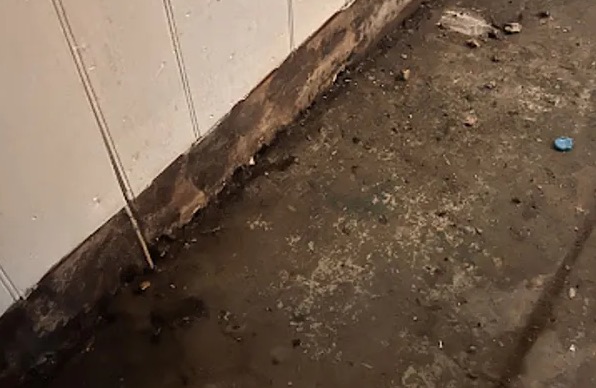
Professional Septic Tank Backup Water Removal in Shelbyville, KY
Residential septic backup cleanup in Shelbyville requires thorough action to minimize disruption and health exposure. The backup water can carry solids and bacteria that stain surfaces and create foul smells.
Septic backup water extraction in Shelbyville and the broader region, including places like Smithfield, Taylorsville and Crestwood, demands expertise in both water damage and biohazard cleanup. Local water removal pros are equipped with pumps and sanitizing agents to manage sewage backup removal safely.
Complete Septic Tank Backup Water Removal Solutions in Shelbyville
Septic Backup Odor Removal
The pros ensure the smell is addressed at its origin, not just masked. This odor removal service employs air scrubbers and specialized treatments to neutralize the persistent sewage odor.
Septic Backup Sewage Cleanup
The pros clean up the sewage and treat every surface it touched to reduce health risks.
Septic Overflow Decontamination
For a septic overflow, the pros perform a full decontamination to neutralize biohazards. This service prepares the structural materials for any necessary repairs or reconstruction work.
Emergency Septic Backup Response
An emergency response to a septic backup in Shelbyville starts with a safety evaluation and water extraction setup. The pros are available 24/7 to begin this critical mitigation.
Septic System Water Damage Repair
The pros coordinate the repair phase, which may involve removing and reinstalling building materials affected by the backup.
Signs of Septic Tank Trouble in Shelbyville
Drains Back Up After Heavy Rain
Drains that back up after storms often mean the drain field is saturated and the tank cannot drain.
Sewage Visible in Cleanout Pipe
If you check the main sewer cleanout and find standing wastewater, your septic system overflow water removal must be addressed by the pros.
Wet Spots or Soggy Ground Outside
Damp, lush or spongy patches in the yard near the septic tank can mean the tank is backing up.
Water Backs Up in Lowest Fixtures
Sewage or water appearing in a basement shower or floor drain is a classic sign of septic tank backup water removal being urgently needed.
How Septic Tank Backup Water Removal Works in Shelbyville
Step 1: Septic Backup Response
The pros start with an emergency response and a first look at how far the sewage spread.
Step 2: Contaminated Water Removal
Extraction equipment removes the sewage and contaminated water before it spreads further.
Step 3: Sewage Cleanup and Sanitizing
Surfaces are disinfected and deodorized so no bacteria or smell is left behind.
Step 4: Damage Documentation and Repair
The damage is documented for your insurance claim, and repairs restore the affected rooms.
Common Causes of Septic Backups in Shelbyville
Clogged Inlet or Outlet Baffles
Blockages at the tank's entry or exit points prevent proper flow. This disruption is a frequent reason for septic tank water extraction calls.
Root Infiltration Into Sewer Lines
Tree roots seeking moisture can crack and block pipes, and the backup gets worse over time.
Damaged or Collapsed Drain Field
When the drain field fails, water has nowhere to go and backs up into the house again and again.
Excessive Water Usage Overloading System
Too much water entering the tank at once can overwhelm it and send sewage back into the home.
Residential and Commercial Septic Tank Backup Water Removal in Shelbyville
Residential Septic Tank Backup Water Removal
Sewage smell can linger in a home after a septic backup. After cleanup, the pros remove the source, use air scrubbers and seal stained surfaces if the odor stays.
Commercial Septic Tank Backup Water Removal
For hotels or rental properties, a septic backup threatens reputation and revenue. Septic system water damage repair professionals work to rectify the plumbing issue and restore guest rooms or common areas with minimal downtime and thorough sanitization.
The Dangers of DIY Septic Tank Backup Water Removal in Shelbyville
You can safely turn off the water supply to toilets and appliances to prevent adding volume to the backup. Document visible damage with photos for your records.
Factors Affecting Septic Tank Backup Water Removal Cost in Shelbyville
The price depends on how severe the septic water damage is and how much material must be removed.
Decontamination Procedures
Thorough septic overflow decontamination involves specialized antimicrobial agents and cleaning processes, which contribute to the overall material and labor costs.
Required Water Extraction
The amount of sewage to remove sets the number of pumps and the time needed on site.
Structural Repairs
Any necessary septic system water damage repair, such as replacing subflooring or wall structures, is a separate line item in the restoration process.
Does Insurance Cover Septic Tank Backup Water Removal?
Whether insurance covers septic backup sewage cleanup depends on your policy's language regarding sewer or septic line backups. Some policies require a specific rider or endorsement for this type of water damage.
Benefits of Local Water Damage Restoration Pros for Septic Tank Backup Water Removal
Methodical Drying Process
After extraction, industrial air movers and dehumidifiers ensure the area is dried to prevent secondary mold damage.
Thorough Drain Backup Cleanup
The process addresses the septic tank drain backup completely, cleaning the affected plumbing fixtures and surrounding areas.
Containment Protocols
Work areas are sealed off so sewage is not tracked into clean rooms during the cleanup.
24/7 Emergency Septic Tank Backup Water Removal for Shelbyville
Septic tank water damage worsens quickly if not addressed. Secure emergency septic backup water removal services by calling (502) 305-4876; the pros are on standby.
Call Now (502) 305-4876Septic Tank Backup Water Removal Available Around Shelbyville
Septic backup cleanup is available throughout Shelby County. From Shelbyville to areas like Smithfield, Taylorsville and Crestwood, the pros remove sewage and disinfect the affected rooms.
- Septic Tank Backup Water Removal in Smithfield
- Septic Tank Backup Water Removal in Taylorsville
- Septic Tank Backup Water Removal in Crestwood
- Septic Tank Backup Water Removal in Pewee Valley
- Septic Tank Backup Water Removal in La Grange
- Septic Tank Backup Water Removal in Jeffersontown
- Septic Tank Backup Water Removal in Anchorage
- Septic Tank Backup Water Removal in Douglass Hills
- Emergency Damage Restoration in 40065
- Storm Damage Restoration in 40065
- Water Damage Restoration in 40065
- Water Extraction Service in 40065
- Water Leak Detection in 40065
- Water Removal Service in 40065
- Emergency Damage Restoration in 40066
- Storm Damage Restoration in 40066
Septic Tank Backup Water Removal Common Questions Answered
What's included in emergency septic backup response?
The pros contain the hazard, extract the septic water, assess the damage and start cleanup and drying.
How does septic system water removal prevent mold?
Extraction followed by drying with dehumidifiers and air movers removes the moisture mold needs, which matters after any septic backup.
How do pros document septic system water damage?
They use moisture meters, thermal imaging cameras, and photography to map affected areas, creating a detailed report for your records and potential insurance claim submission.
What happens during septic tank water extraction?
Powerful submersible pumps and truck-mounted extractors are used to remove the bulk of the contaminated liquid from the property, which is the first critical step in the restoration process.
Is residential septic backup cleanup a DIY job?
No. Sewage exposure is a serious biohazard risk. Professional septic backup cleanup specialists have the training, equipment, and protective gear to handle contamination safely and effectively.