Dayton, KY · Campbell County
Sewage Water Removal in Dayton, KYBlack Water Extraction Service & Sewage Odor Neutralization
Emergency Sewage Water Removal in Dayton addresses sewage backup cleanup, sewage spill containment, and sewage odor neutralization.
Answered 24/7
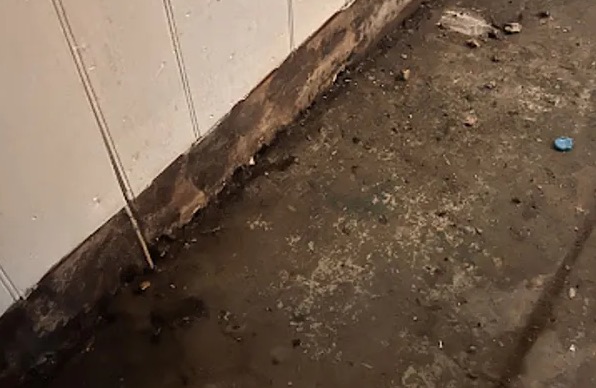
Sewage Water Removal for Dayton Residents
Sewage water removal matters for properties in Dayton because untreated black water can quickly damage floors, walls, and belongings, creating a hazardous environment.
Homes and businesses in Dayton and nearby Florence and Walton can get 24/7 sewage water removal. Local pros contain the spill, extract the black water and neutralize the odor.
The Sewage Water Removal Process in Dayton
Black Water Extraction Service
All standing sewage is removed, then moisture meters find water that soaked into subfloors and walls and still needs drying.
Sewage Odor Neutralization
Air fresheners only mask sewage odor. After extraction, pros use hydroxyl generators that break down the odor molecules so the space is livable again.
Sewage Contaminated Drywall Removal
When contaminated water wicks up wall cavities, it compromises drywall and insulation. Sewage removal pros cut and remove the damaged sections to expose studs for cleaning.
Contaminated Carpet Removal
Porous flooring like carpet cannot be effectively sanitized after black water contact. Contaminated carpet removal is standard in sewage damage restoration.
Sewage System Clog Clearing
Sewage System Clog Clearing targets the interior blockage source. Clearing the obstruction permits effective sewage extraction. For major line problems in Dayton, a specialized plumber might be necessary.
When to Call for Sewage Water Removal in Dayton
Discolored Carpet or Flooring
Stains or damp spots in carpet near a drain may come from a hidden sewage backup. Contaminated carpet usually has to be removed.
Slow Drains Throughout Home
Multiple slow drains point to a widespread sewer line issue, a key sign of pending sewage water damage.
Sewage Around Floor Drains
Sewage pooling around floor drains points to a major blockage or a failed sewer pipe. Stay out of the water and get it removed.
Unexplained Illness in Household
Health symptoms can stem from airborne pathogens from a sewage spill, highlighting the need for sewage sanitization.
How Sewage Water Removal Works in Dayton
Step 1: 24/7 Sewage Emergency Response
The work starts with the hazardous situation. The pros contain the spill and protect your property.
Step 2: Source Identification and Clog Clearing
Pros work to identify the cause, often performing sewage system clog clearing to stop the inflow.
Step 3: Comprehensive Sewage Water Removal
Every gallon of contaminated water is extracted. This sewage removal process uses powerful equipment to pull moisture from flooring, padding, and subfloors.
Step 4: Disinfection and Restoration Prep
The area undergoes a multi-stage sewage damage sanitization. Once clean and dry, the space is prepared for any necessary rebuilds, concluding the sewage cleanup.
Typical Reasons for Sewage Problems in Dayton
Septic Tank Backup or Failure
A full, damaged, or malfunctioning septic system can force raw sewage back into the home's plumbing fixtures.
Improperly Installed Plumbing
Incorrect slopes or faulty connections in drain lines create recurring clogs and frequent sewage backup issues.
Municipal Sewer System Overload
Heavy rainfall or system failures can overwhelm public sewers, forcing contaminated water back into residential properties.
Main Sewer Line Blockages
Tree roots, grease, or foreign objects can completely obstruct the main line, causing sewage backup into the home.
House and Business Sewage Water Removal in Dayton
Residential Sewage Water Removal
A home sewage emergency demands a 24/7 response. The pros prioritize safety, setting up containment for sewage backup cleanup.
Commercial Sewage Water Removal
Commercial sewage emergencies require immediate spill containment to protect customers and employees. The experts respond 24/7 to begin black water extraction service and initial disinfection, helping to secure the site and prevent further contamination.
Why DIY Sewage Removal Fails in Dayton
While you wait, keep children and pets away from the area. Turn off power to affected rooms only if you can do it from a dry spot, and do not use any drains on the blocked line.
Estimating Your Sewage Water Removal Expense in Dayton
In Dayton, cost depends on how contaminated the water is, how long it has been standing and how much sanitizing the space needs.
Required Drying Time
The duration for structural drying after sewage water extraction depends on material saturation levels and ambient humidity in the space.
Documentation for Claims
Thorough photo and moisture logging for your insurer's review is a standard, detailed step that factors into the overall service time.
Sanitization Protocol Depth
The level of sewage damage sanitization needed, from surface cleaning to fogging and antimicrobial coating, affects both time and material use.
Does Insurance Cover Sewage Water Removal?
Whether sewage removal is covered often relates to the source, a toilet overflow inside may differ from an external sewer main break. The pros follow industry-standard methods and document each step meticulously for your insurance review.
Advantages of Hiring Sewage Cleanup Specialists in Dayton
Safety-Centered Approach
Utilizing personal protective equipment and establishing work zones to protect occupants and pros from hazardous sewage pathogens.
24/7 Emergency Response
Sewage backups demand immediate containment to limit damage and health hazards. Help is available around the clock for such incidents.
IICRC-Standard Sanitization
Procedures follow industry guidelines for disinfecting surfaces after sewage exposure, addressing health risks from contamination with appropriate antimicrobial agents.
Around-the-Clock Sewage Water Removal for Dayton
Sewage contamination cleanup cannot be postponed. To stop the spread of harmful bacteria and begin restoration, contact the pros at (502) 305-4876. They are available anytime for help in Dayton.
Call Now (502) 305-4876Sewage Water Removal Near Dayton: Areas Served
For the Dayton area, effective sewage cleanup involves extraction, disinfection, and drying. The specialists in Dayton also serve neighboring locales like Florence and Walton, handling sewage odor removal and contaminated material disposal with care.
- Sewage Water Removal in Florence
- Sewage Water Removal in Walton
- Sewage Water Removal in Bellevue
- Sewage Water Removal in Fort Thomas
- Sewage Water Removal in Covington
- Sewage Water Removal in Newport
- Sewage Water Removal in Erlanger
- Sewage Water Removal in Alexandria
- Emergency Damage Restoration in 41074
- Storm Damage Restoration in 41074
- Water Damage Restoration in 41074
- Water Extraction Service in 41074
- Water Leak Detection in 41074
- Water Removal Service in 41074
Frequently Asked Sewage Water Removal Questions
Are homes safe during sewage cleanup work?
Pros establish containment and use safety gear to minimize risk. Occupants should avoid the work area entirely until the pros complete sanitization and deem it safe.
What happens to removed sewage-contaminated materials?
Removed porous materials like drywall and carpet are bagged securely as hazardous waste and disposed of according to local regulations for contaminated construction debris.
How quickly should sewage spill containment begin?
Containment should start immediately to prevent cross-contamination. Sewage spreads quickly, so rapid setup of barriers by pros limits the affected area and reduces overall damage and risk.
Why might drywall need removal after sewage exposure?
Sewage affected drywall removal is standard because drywall is porous and wicks contaminated water upward. It cannot be reliably disinfected and must be cut out and disposed of safely.
Does sewage removal involve repairing the plumbing?
Sewage removal focuses on cleanup and restoration. While pros may help identify a clog's location, actual plumbing repair for the line itself typically requires a separate professional plumber, as local regulations often require specific qualifications for that work.