Walton, KY · Boone County
Temperature-Controlled Drying in Walton, KYDrying Equipment Deployment & Moisture Mapping
For Temperature-Controlled Drying in Walton, local drying equipment pros handle thermal drying for water damage, humidity control for restoration, and drying equipment deployment to prevent mold.
Answered 24/7
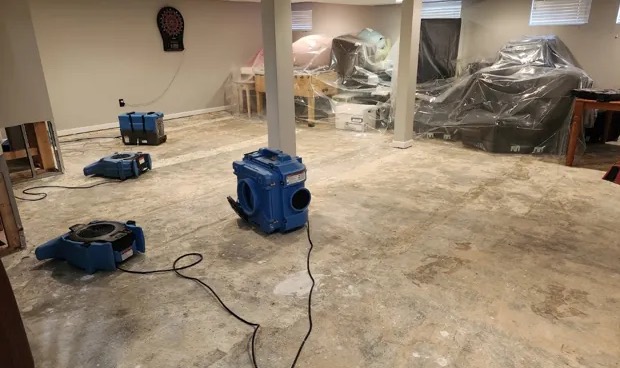
Targeted Temperature-Controlled Drying for Properties in Walton
In Walton, moisture that dries unevenly can warp materials and leave hidden mold. Local pros control heat and airflow so drying is even and does not cause more damage.
In Walton and nearby Florence, fast structural drying stops mold before it starts. Local pros map moisture, then use LGR dehumidifiers and planned air mover placement until readings are normal.
Temperature-Controlled Drying Services in Walton
Drying Equipment Deployment
Pros set up drying machines with safe power, condensate drainage and placement based on the moisture map.
Moisture Mapping
Moisture mapping uses penetrating and non-penetrating meters to document water migration. This creates a blueprint of wet areas, including hidden moisture behind walls.
Climate-Controlled Drying Systems
The pros set up systems that control temperature, humidity and airflow together, adjusting them as moisture readings change.
Rapid Structural Drying Services
Rapid drying mitigates risk of long-term weaknesses or rot in wooden structures. The pros use specialized techniques like injecting dry air into wall cavities.
Thermal Drying for Water Damage
The pros raise the room temperature in a controlled way to drive moisture out of dense materials like concrete slabs and beams, watching readings the whole time.
Symptoms Needing Temperature-Controlled Drying in Walton
Paint Peeling or Bubbling Up
Paint loses adhesion and forms bubbles or peels away from the wall. This failure is caused by moisture trapped beneath the paint film.
Condensation on Windows or Surfaces
Excess humidity causes water droplets to form on cold surfaces. This condensation confirms the indoor air has too much moisture.
Soft Drywall or Sagging Ceiling
Drywall feels spongy to the touch or a ceiling sags downward. This softness means the material is saturated and structurally compromised.
High Humidity Readings Inside
A hygrometer showing unusually high indoor humidity after water damage means the building is still wet.
How Temperature-Controlled Drying Works in Walton
Step 1: Site Evaluation and Equipment Planning
The pros evaluate the site to determine the type and quantity of drying tools needed.
Step 2: Drying Equipment Setup
Industrial air movers and dehumidifiers are set up in the affected zones right away.
Step 3: Controlled Humidity Management
Dehumidifiers pull moist air out of the room, which keeps the air dry enough for materials to keep drying.
Step 4: Progress Tracking With Drying Logs
Temperature, humidity and moisture readings are recorded each day in a drying log.
Sources of Water Intrusion Needing Moisture Removal in Walton
Overflowing Sinks or Bathtubs
A simple blockage or forgetfulness leads to an overflow event. Water spreads quickly, soaking cabinetry and flooring, and requires thorough drying equipment deployment.
Foundation Cracks and Seepage
Hydrostatic pressure forces groundwater through cracks in the foundation wall. This seepage creates a constant dampness that challenges standard drying technology.
Appliance Malfunction or Overflow
A failed washing machine hose, water heater or dishwasher can release many gallons onto the floor.
Sprinkler System Activation
A fire sprinkler discharges, releasing a large volume of water quickly. This event saturates entire areas and requires precise air mover placement and strategy.
Temperature-Controlled Drying for All Property Types in Walton
Residential Temperature-Controlled Drying
At home, the pros dry wall cavities, subfloors and belongings with air movers and dehumidifiers, and keep drying logs for your insurance review.
Commercial Temperature-Controlled Drying
For businesses, rapid drying minimizes downtime and protects inventory, equipment, and building integrity. Large-scale drying systems are implemented to address moisture in offices, retail spaces, and warehouses.
Temperature-Controlled Drying vs. DIY Drying in Walton
Ventilating the area by opening windows can help if outdoor humidity is lower than indoors, but this is rarely controlled or sufficient. You can create a list of damaged items for a potential insurance claim.
Understanding Temperature-Controlled Drying Cost in Walton
In Walton, cost depends on the size of the wet area and how aggressive the drying must be.
Drying Time Required
Longer drying periods for climate-controlled systems mean more equipment runtime and monitoring, impacting the overall cost of the restoration project.
Extent of Water Damage
The larger the area that needs drying, the more equipment and labor the job takes.
Humidity Control Measures
Controlling humidity in tight spaces often takes specialized drying equipment and frequent adjustments.
Does Insurance Cover Temperature-Controlled Drying?
Coverage is not automatic and depends on your policy. The pros provide humidity readings and equipment logs for your claim file. Your insurer decides what is covered.
The Value of Local Drying Equipment Pros for Temperature-Controlled Drying in Walton, KY
Humidity Control for Restoration
Keeping the air dry draws moisture out of materials until the space is stable.
Targeted Thermal Drying
Applying directed heat energy safely accelerates the drying of dense materials, reducing the overall timeline for the restoration project.
IICRC-Standard Drying Methods
Drying follows industry guidelines and is checked with meters, which keeps framing and floors from staying wet.
Round-the-Clock Emergency Temperature-Controlled Drying in Walton
Stop water damage from getting worse while materials sit wet. Call (502) 305-4876 24/7 for drying help from the pros in Walton.
Call Now (502) 305-4876Temperature-Controlled Drying Serving Walton and Nearby Areas
Controlled drying with detailed drying logs is available in Walton, and near Florence.
- Temperature-Controlled Drying in Florence
- Temperature-Controlled Drying in Independence
- Temperature-Controlled Drying in Erlanger
- Temperature-Controlled Drying in Covington
- Temperature-Controlled Drying in Alexandria
- Temperature-Controlled Drying in Newport
- Temperature-Controlled Drying in Fort Thomas
- Temperature-Controlled Drying in Bellevue
- Emergency Damage Restoration in 41094
- Storm Damage Restoration in 41094
- Water Damage Restoration in 41094
- Water Extraction Service in 41094
- Water Leak Detection in 41094
- Water Removal Service in 41094
Common Temperature-Controlled Drying Questions Answered
Can rapid drying technology dry a property too quickly?
Yes, excessive heat or airflow can cause surface crusting, cracking, or other material stress, which is why professional drying balances speed with material-specific safety limits.
How does humidity control aid in restoration?
Drier air pulls water out of wet materials faster, so lowering humidity speeds up drying.
Is temperature-controlled drying safe for electronics or artwork?
Yes, when the pros use low heat and careful humidity control, it can be safe for drying sensitive materials and belongings.
What are water damage drying logs used for?
Drying logs are detailed records of moisture readings, equipment settings, and progress; they provide documentation for the restoration process and are often required for insurance claims.
What is temperature-controlled drying?
It is a drying method that controls heat and humidity together to remove moisture from building materials and contents safely and quickly.