Anchorage, KY · Jefferson County
Water Damage Repair in Anchorage, KYBasement Flood Water Removal & Water Damaged Floor Repair
Expert Water Damage Repair in Anchorage handles basement flood water removal, pipe burst cleanup, and mold remediation after water damage.
Answered 24/7
Professional Water Damage Repair for Anchorage Homes
When water infiltrates a home in Anchorage, it often seeps into subfloors and wall cavities, creating hidden hazards that evade casual inspection.
In Anchorage and nearby Middletown, Douglass Hills and Rolling Hills, plumbing failures and storms can cause water damage. Local water damage pros extract water, remove wet drywall and dry the property.
Complete Water Damage Repair Solutions for Anchorage
Basement Flood Water Removal
After a basement flood, restoration pros pull water out of porous materials like concrete and drywall to stop further damage.
Water Damaged Floor Repair
Flooring materials react differently to water. The specialists handle drying salvageable hardwood or removing soaked carpet to restore a safe surface.
Carpet Water Extraction
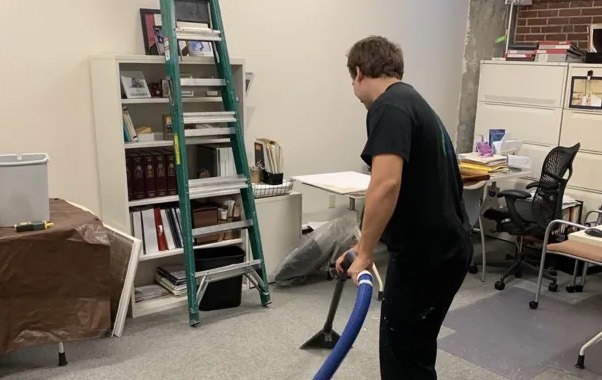
Commercial extractors make several passes to pull water from carpet fibers and the pad below, which prevents odors and germs after a spill or leak.
Emergency Water Extraction
Immediate extraction after a pipe burst protects property. The experts pump out bulk water, laying the foundation for all subsequent drying in an Anchorage home.
Mold Remediation After Water
Hidden water damage often leads to mold. Pros remove moldy materials, HEPA vacuum the area and dry it so the mold does not return.
Symptoms Requiring Water Damage Repair in Anchorage
Visible Water Pools
Standing water in rooms or on floors indicates water damage and requires immediate attention.
Wet Drywall and Ceilings
Soft, discolored, or sagging drywall or ceilings are classic signs of water damage.
Damp or Wet Carpeting
Squishy, saturated carpets or padding are a clear sign of water damage.
Swollen Wood or Cabinets
Doors, window frames, or cabinets that stick or swell are water damaged.
How Water Damage Repair Works in Anchorage
Step 1: Source Stopping and Assessment
The first priority is stopping the water source, then assessing the scope of damage for the water damage repair plan.
Step 2: Water Removal and Extraction
Powerful extraction equipment is used for water removal from floors, carpets, and any cavities, preventing further saturation.
Step 3: Controlled Drying and Airflow
Strategic placement of drying equipment creates airflow across surfaces and materials to achieve complete moisture control.
Step 4: Cleaning and Sanitizing Surfaces
Affected surfaces are cleaned and sanitized to address contaminants and prepare the area for any needed repairs.
Common Causes of Water Damage in Anchorage
Burst or Leaking Pipes
Old, frozen or faulty plumbing can burst and flood several rooms in a short time.
Sump Pump Failure
A sump pump that stops working during heavy rain can quickly flood a basement.
HVAC System Condensation Issues
Faulty condensate drains or leaking air handlers can drip water inside walls and ceilings.
Roof Leaks and Storm Damage
Missing shingles or storm damage let water into attics and down through ceilings.
Water Damage Repair for Homes and Businesses in Anchorage
Residential Water Damage Repair
At home, water from a burst pipe or appliance leak spreads fast. The experts remove it from floors and carpet and dry the rooms.
Commercial Water Damage Repair
Office buildings, retail spaces, and warehouses need pipe burst cleanup service. The specialists document all damage thoroughly to support your business insurance claim process.
Why DIY Water Damage Repair Often Fails
You can use towels to blot small, recent spills on hard surfaces. However, for any water that has penetrated under flooring or behind walls, call the experts.
Factors Affecting Water Damage Repair Cost in Anchorage
Labor drives the cost of drywall removal or carpet extraction. Demolition, hauling debris and the number of air movers and dehumidifiers needed add up.
Location Accessibility
Easily accessed areas simplify service. Confined spaces like attics or basements may require special equipment setup, influencing the overall project labor.
Water Damage Extent
The square footage soaked and depth of saturation dictate equipment needs and labor hours.
Structural Repairs Required
After drying, some reconstruction like floor repair or drywall replacement may be needed. This rebuild phase is separate from the initial water extraction and drying.
Does Insurance Cover Water Damage Repair?
For water damage restoration to be covered, the event usually must be sudden and unforeseen. A ruptured supply line or storm-related basement flood may qualify. Flood insurance is often a separate policy. The specialists will create a detailed record of conditions and procedures for your insurer.
Benefits of Local Water Damage Repair Pros in Anchorage
Containment for Affected Areas
When needed, plastic sheeting isolates work zones. This helps contain dust and debris during wet material removal and drying operations.
Focus on Preventing Mold Growth
Rapid drying and humidity control are priorities after water damage. This approach helps create conditions less conducive to mold development.
Clear Communication
Pros explain what they find, what they are doing and what comes next throughout the job.
Always-On Emergency Water Damage Repair in Anchorage
Soaked carpet needs extraction to save it and the pad. Call (502) 305-4876 any time. Waiting can lead to stains, odor and subfloor damage.
Call Now (502) 305-4876Water Damage Repair Near Anchorage: Areas Served
Addressing water damage in Anchorage involves systematic drying and affected material removal. The specialists in Anchorage offer these services to the local community and nearby locations such as Middletown, Douglass Hills and Rolling Hills.
- Water Damage Repair in Middletown
- Water Damage Repair in Douglass Hills
- Water Damage Repair in Rolling Hills
- Water Damage Repair in Fincastle
- Water Damage Repair in Ten Broeck
- Water Damage Repair in Hurstbourne
- Water Damage Repair in Bancroft
- Water Damage Repair in Graymoor-Devondale
- Emergency Damage Restoration in 40223
- Storm Damage Restoration in 40223
- Water Damage Restoration in 40223
- Water Extraction Service in 40223
- Water Leak Detection in 40223
- Water Removal Service in 40223
Water Damage Repair FAQs
How is drying monitored after water extraction?
Moisture meters and hygrometers are used to track moisture levels in materials and the air. Drying logs record progress until pre-determined dryness goals are met for all affected building materials.
What equipment is used for emergency water removal?
Industrial submersible pumps, truck-mounted or portable extractors, and wet/dry vacuums are used for water removal. These are followed by air movers and dehumidifiers for the structural drying phase.
What is involved in water damage repair?
The process typically starts with emergency water extraction, followed by thorough drying with industrial equipment. Damaged materials like wet drywall or flooring may be removed, and the area is cleaned and sanitized.
Is wet drywall removal always necessary?
Drywall is porous and often retains moisture inside wall cavities. If saturated, removal is usually required to allow proper drying of studs and insulation and to prevent mold growth behind walls.
Can water damaged floor repair save my flooring?
It depends on the flooring type, water category, and saturation time. Non-porous materials like tile may be saved, while porous wood or laminate often requires removal and replacement after prolonged wetness.