Louisville, KY · Jefferson County
College & University Damage Restoration in Louisville, KYAthletic Facility Flood Cleanup & Campus Library Drying Services
University lab water damage cleanup, student housing mold remediation, and academic building fire restoration are key College & University Damage Restoration tasks in Louisville.
Answered 24/7
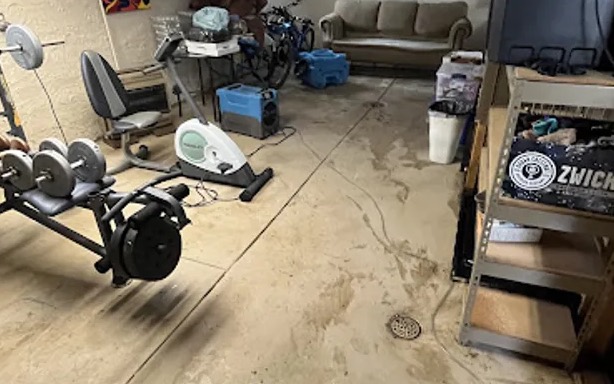
Expert College & University Damage Restoration for Campus Facilities in Louisville
Fire or water incidents in a campus library or lecture hall in Louisville threaten irreplaceable collections and technology. University property damage restoration here must balance speed with recovery of educational resources.
Local campus water removal pros provide this for institutions here and in nearby Jeffersonville, Clarksville and New Albany, handling university lab water damage and academic building fire restoration. They work to secure the site and begin recovery processes.
Core College & University Damage Restoration Solutions in Louisville
Athletic Facility Flood Cleanup
Athletic facility flood cleanup involves extracting water from large, open spaces with complex flooring systems. Moisture in walls and under fixed seating is dried too.
Campus Library Drying Services
Library drying is a delicate process to save books, documents, and microfilm from water damage. Specialized equipment creates an ideal drying environment to minimize permanent damage to collections.
University Lab Water Damage Cleanup
Cleanup for a flooded university lab involves extracting water, controlling humidity, and safely handling affected materials, addressing the unique priorities of academic spaces.
Campus Flood Water Extraction
In Louisville, campus flood water extraction addresses water intrusion from storms or plumbing failures. Prompt removal by the experts help campuses resume normal operations and protects institutional assets.
Student Housing Mold Remediation
Mold in dorms and campus apartments needs remediation for healthy air. The process involves containment, removal of affected materials, and air scrubbing.
Signs Your Campus Needs College & University Damage Restoration
Warped Bookshelves in the Library
High humidity or water from leaks can damage library collections, causing warping and mold on books.
Soot Residue After a Small Fire
Even minor fires leave corrosive soot on surfaces, equipment and ductwork in campus buildings.
Musty Odors in Dormitory Hallways
Persistent damp smells in residence halls signal potential mold growth, a common issue after college water damage cleanup.
Ceiling Tiles Sagging or Stained
Stained ceiling tiles often mean hidden water collecting in the plenum space above the classroom or office.
How College & University Damage Restoration Works in Louisville
Step 1: Emergency Water Extraction
The pros begin with rapid campus emergency water extraction, using truck-mounted pumps to remove bulk water from affected floors and rooms.
Step 2: Structural Drying and Dehumidification
Industrial air movers and dehumidifiers are placed strategically to achieve college building drying services, protecting walls and flooring.
Step 3: Content Cleaning and Sanitization
Furniture, equipment, and belongings are cleaned with antimicrobial solutions, a critical phase in university property damage restoration.
Step 4: Final Verification and Documentation
Moisture meters confirm dryness, and detailed reports with photos are prepared for your insurance claim review.
Flood and Water Damage Causes in University Facilities
Severe Weather and Wind Damage
Severe storms can break windows and damage roofing, letting rain into campus buildings.
HVAC System Condensate Overflow
Clogged drain pans in air handlers let water drip into ceilings and onto the floors below.
Foundation Cracks and Water Seepage
Hydrostatic pressure forces groundwater through cracks, damaging lower-level labs and libraries, a job for higher education facility restoration.
Humidity and Poor Ventilation
Poor ventilation in older dorms and labs lets damp air build up on walls and ceilings, and that lingering moisture needs drying before materials break down.
College & University Damage Restoration for Student Housing and Academic Buildings
College & University Damage Restoration for Homeowners
Addressing damage in campus living spaces, the pros in Louisville focus on student housing mold remediation and dormitory sewage backup cleanup. Confirm coverage details with your insurer.
College & University Damage Restoration for Owners and Facility Managers
Specialized university lab water damage and campus library drying services are available from the pros in Louisville. Local campus sewage backup cleanup pros also perform athletic facility flood cleanup.
Professional College & University Damage Restoration Versus Campus Maintenance
For minor spills in a dorm room or office, you can safely wipe up visible water with towels. However, for any water spreading beyond a single room or involving sewage, call the pros for university flood restoration.
Understanding College & University Damage Restoration Cost in Louisville
When estimating campus sewage backup cleanup, the cost factors include the category of the contaminated water and the extensive sanitization required for dormitory living spaces. The repair of damaged flooring and drywall in common areas also contributes to the overall restoration investment.
Scale of Damage
The total square footage affected across campus buildings, from a single lab to multiple dormitories, directly impacts labor, equipment, and material costs for restoration.
Required Drying Time
The duration needed for structural drying in massive spaces like athletic facilities dictates how long industrial-grade equipment must remain on site.
Structural Repairs
The extent of rebuilding after academic building fire restoration, from drywall to custom millwork, is a primary component of the final cost.
Does Insurance Cover College & University Damage Restoration?
When it comes to university lab water damage, coverage often hinges on whether the event was sudden and accidental, like a burst pipe. The insurer determines coverage based on the policy's terms, so provide them with all documentation.
The Value of Specialized Campus Water Removal Pros in Louisville
Containment Protocols
For student housing mold remediation or lab cleanups, pros establish containment to prevent cross-contamination to other areas of the building.
Odor Removal Techniques
After a sewage backup or fire, pros use specialized equipment like ozone generators or hydroxyl machines to address persistent odors in dormitories.
Documentation for Insurance
Detailed logs, photos, and moisture maps are provided by pros to support the institution's insurance claim for the damage event.
Urgent College & University Damage Restoration Available in Louisville
For 24/7 assistance with student housing mold removal following a leak, or for any suspected mold growth, contact the pros at (502) 305-4876.
Call Now (502) 305-4876College & University Damage Restoration for Higher-Ed Institutions in the Region
Local pros provide these specialized services for institutions here and in places like Jeffersonville, Clarksville and New Albany.
Frequently Asked Questions About College & University Damage Restoration
What makes university lab water damage cleanup unique?
It requires careful handling of sensitive instruments and chemicals, along with specialized drying to prevent corrosion, all while maintaining safety and documentation standards.
Is athletic facility flood cleanup different from other areas?
Yes, it often involves treating large, open spaces with specialized flooring, requiring high-volume water extraction and aggressive drying strategies to quickly reopen the facility.
Why use college building drying services after a leak?
Professional drying reaches moisture deep inside walls and subfloors, which simple air drying misses.
Can lecture hall storm damage repair include roof leaks?
Yes, after securing the interior from water, pros can coordinate temporary roof repairs and manage the internal water damage repair and drying of seating and AV equipment.
How is dormitory sewage cleanup handled safely?
Local pros wear full PPE, isolate the area, extract the contaminated water, then disinfect all affected surfaces following strict protocols for Category 3 water damage.