Louisville, KY · Jefferson County
Distribution Center Damage Restoration in Louisville, KYIndustrial Sewage Backup Cleanup & Commercial Storm Damage Repair
Distribution Center Damage Restoration in Louisville involves critical restoration like commercial storm damage repair, industrial sewage backup cleanup, and warehouse flood restoration.
Answered 24/7
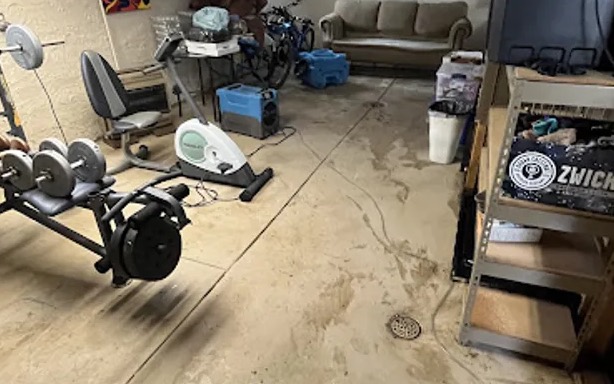
Distribution Center Damage Restoration Solutions in Louisville, Kentucky
Sewage backups in industrial settings within Louisville present serious biohazard risks, contaminating floors and inventory. This requires urgent professional cleanup to address health concerns. Industrial sewage backup cleanup pros employ strict containment and personal protective equipment.
In Louisville, severe weather can damage roofing and structure. Local distribution center restoration pros perform emergency board-ups and water extraction to prevent further loss. Their services support logistics buildings in Louisville, plus the broader area, including Jeffersonville, Clarksville and New Albany.
Tailored Distribution Center Damage Restoration for Louisville Commercial Properties
Industrial Sewage Backup Cleanup
For a sewage incident in a commercial building, local cleanup experts handle the hazardous waste removal.
Commercial Storm Damage Repair
Local pros responding to storm damage in Louisville focus on the immediate threats to distribution center operations.
Emergency Logistics Building Recovery
For emergency recovery in Louisville, local pros understand the pressure to resume shipping and receiving.
Distribution Center Drying Services
The concrete slab and any wet drywall or insulation must be dried. Equipment is placed and moisture monitored until conditions return to normal.
Distribution Center Water Extraction
A water extraction process for a logistics facility minimizes damage to stored inventory and electrical systems.
When to Call for Distribution Center Damage Restoration in Louisville
High Humidity Readings on Meters
High humidity inside the building threatens stored goods, cardboard packaging and wooden pallets.
Buckled or Warped Warehouse Flooring
Raised concrete slabs or damaged epoxy coatings often result from water intrusion underneath.
Sewage Odors in Restroom Areas
Foul smells from floor drains or toilets warn of a sewage backup.
Roof Damage After Severe Weather
Missing panels, tears or punctures from wind or hail let water in.
How Distribution Center Damage Restoration Works in Louisville
Step 1: Site Containment
Early work by distribution center restoration pros involves setting up barriers to isolate the damaged zone, preventing cross-contamination to unaffected warehouse areas.
Step 2: Contaminated Water Extraction
For sewage or flood incidents, industrial-grade extraction equipment performs industrial sewage backup cleanup, removing hazardous water from floor drains and affected sections.
Step 3: Comprehensive Facility Drying
A targeted drying system using air movers and dehumidifiers executes distribution center drying services, achieving dry standard readings across the massive open space.
Step 4: Restoration and Rebuild Preparation
Once dry and clean, the site is prepared for any necessary rebuild, completing the logistics facility recovery experts' scope to restore full operations.
Common Causes of Water Damage in Distribution Centers
Firefighting Water in Storage Areas
When a fire in a storage area is put out, sprinkler and hose water soaks racks, pallets and packaged stock across the warehouse floor.
HVAC Condensation Drain Blockage
Clogged drain pans on climate control units lead to overflow and hidden moisture in ceiling spaces.
Pipe Bursts in Mechanical Rooms
Freezing temperatures or corrosion can cause supply or fire line pipes to rupture unexpectedly.
Roof Leaks From Storm Damage
High winds, hail, or heavy rain can puncture or tear roofing materials, allowing water into the distribution facility.
Commercial Distribution Center Damage Restoration in Louisville
Distribution Center Damage Restoration for Homeowners
Sewage backup in a home is a severe health hazard in confined plumbing spaces. Cleanup requires disinfecting affected floors and baseboards to restore sanitary conditions for the residents.
Distribution Center Damage Restoration for Owners and Facility Managers
Industrial sewage backup cleanup in a warehouse deals with large-volume contamination across restrooms, floor drains, and potentially loading areas.
When Distribution Center Damage Restoration Requires Local Pros in Louisville
For minor humidity, check that HVAC drain pans are flowing. For persistent high moisture readings or condensation issues that threaten inventory, professional distribution center drying services with industrial dehumidifiers are necessary to prevent mold.
Understanding Distribution Center Damage Restoration Pricing in Louisville
Your final cost for logistics facility recovery in Louisville is determined by the severity of the incident and the necessary remediation steps, from initial extraction to final sanitization. The square footage of the impacted operational zone is a primary driver.
Damage Category
Clean water from a broken pipe costs less to address than contaminated water from a sewage backup, which requires rigorous sanitization protocols for safety.
Content Restoration
Cleaning, drying, or disposing of affected inventory, packaging materials, and specialized logistics equipment significantly influences the final restoration estimate.
Scale of Damage
The total square footage impacted by water, fire, or mold within your distribution center dictates the scope of work and resource allocation for the restoration project.
Does Insurance Cover Distribution Center Damage Restoration?
Whether insurance covers logistics center fire cleanup is determined by a policy's terms for fire and smoke damage. The property owner should contact their provider to report the loss and understand coverage limits.
Why Choose Local Pros for Distribution Center Damage Restoration in Louisville
Large-Scale Damage Assessment
An evaluation covers every affected area, from warehouse floors to mezzanine storage.
Minimized Business Interruption
The focus is on a structured recovery process to help restore your distribution center's operational capacity as quickly as possible.
Sewage and Contamination Protocols
Strict safety procedures are followed for industrial sewage backup cleanup, including disinfection and proper disposal of contaminated materials.
24/7 Emergency Distribution Center Damage Restoration in Louisville
Fire and smoke can compromise your entire distribution facility. For rapid warehouse fire damage cleanup and odor removal, initiate emergency service by calling (502) 305-4876.
Call Now (502) 305-4876Distribution Center Damage Restoration Coverage in and Around Louisville
The specialists offer emergency response for distribution center damage restoration in Louisville, and for logistics buildings in areas including Jeffersonville, Clarksville and New Albany.
Frequently Asked Questions About Distribution Center Damage Restoration
How do restoration pros handle warehouse water damage?
They assess the water category, extract standing water, set up drying equipment, monitor progress with moisture meters, and manage any necessary content removal or cleaning to restore the space.
Is industrial sewage backup cleanup a health hazard?
Yes, sewage contains harmful pathogens. Cleanup requires strict safety protocols, including protective equipment, disinfection of affected surfaces, and proper disposal of contaminated inventory and building materials.
What kinds of storm damage affect distribution centers?
High winds, hail, or falling debris can damage roofing, siding, windows, and overhead doors, allowing water to enter and disrupt warehouse operations until repairs are completed.
What is included in distribution center water extraction?
The process involves removing standing water from warehouse floors and loading docks using industrial pumps, followed by detailed moisture mapping to identify all affected materials and structural elements.
What are the steps for logistics facility mold remediation?
Remediation involves containing the affected area, removing contaminated porous materials like damaged cardboard or insulation, and using air filtration to clean the air, followed by drying and sanitizing.