Louisville, KY · Jefferson County
Daycare Center Damage Restoration in Louisville, KYDaycare Water Damage Cleanup & Daycare Sewage Backup Cleanup
For Louisville daycare centers, Daycare Center Damage Restoration means daycare water damage cleanup, daycare mold remediation, and daycare contents restoration after disasters.
Answered 24/7
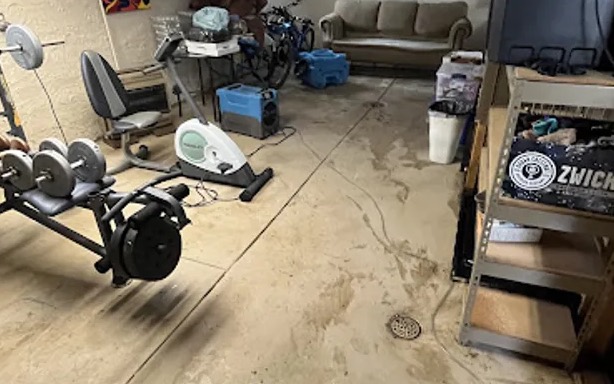
Daycare Center Damage Restoration: Protecting Louisville Childcare Centers
In Louisville, fast restoration after water or fire keeps closures short. Quick work protects the building and gets the daycare open again.
In Louisville and surrounding locales including Jeffersonville, Clarksville and New Albany, daycare storm damage restoration repairs roofs, windows, and structural issues from severe weather. When damage reaches hidden areas of a Louisville building, the daycare restoration experts check wall cavities, subfloors, and ceilings before repairs begin.
Daycare Center Damage Restoration Services in Louisville
Daycare Water Damage Cleanup
Local pros in Louisville document all damage with photos and moisture readings for your insurance claim, focusing on getting the facility operational again.
Daycare Sewage Backup Cleanup
Category 3 water contains harmful contaminants from sewage or flooding. Restrooms and meal-prep areas are made sanitary again.
Daycare Storm Damage Restoration
The pros dry and clean the areas where children spend the most time first, so those rooms can reopen as soon as it is safe.
Daycare Contents Restoration
Daycare content cleaning salvages toys, books, furniture, and educational materials after water, fire, or smoke damage. Items are often cleaned off-site using ultrasonic tanks, ozone chambers, or specialized washing techniques.
Daycare Fire Damage Cleanup
Local pros handling daycare fire damage cleanup focus on sensitive areas like nurseries and playrooms. Items children touch often are cleaned and deodorized.
Warning Signs You Need Daycare Center Damage Restoration
Daycare Mold Warning Signs
Visible mold growth on walls or toys, a persistent musty odor in classrooms, or health complaints among children and staff signal a problem.
Daycare Disaster Recovery Cues
Extended closure due to damage, widespread material loss, or complex multi-source damage like fire and water together are major signs.
Indoor Air Quality Issues
Increased allergy symptoms, stuffy air in nap rooms, or reports of respiratory irritation can point to hidden mold or poor ventilation.
Childcare Center Water Damage
Water stains on ceilings above cribs, buckling laminate floors in play zones, or moisture behind walls in a preschool need inspection.
How Daycare Center Damage Restoration Works in Louisville
Step 1: Emergency Water Extraction
The pros use pumps and extractors to remove standing water from classrooms and play areas, preventing further saturation.
Step 2: Daycare Drying and Dehumidification
Industrial air movers and dehumidifiers are placed strategically to dry carpets, walls, and building materials, monitored with moisture meters for complete drying.
Step 3: Sanitation and Mold Prevention
Affected surfaces are cleaned and sanitized with appropriate agents. Antimicrobials may be applied to slow mold growth.
Step 4: Daycare Contents Restoration
Toys, furniture, and educational materials are evaluated. Specialized cleaning methods restore salvageable items, while unsalvageable items are documented for insurance purposes.
Frequent Causes of Leaks and Flooding in Louisville Daycares
Sewage Line Backups
Clogs from improper waste disposal in children's restrooms or municipal sewer line issues can force contaminated water back into the facility.
Daycare Plumbing Leaks
Frequent use of sinks, toilets, and drinking fountains in a childcare center can lead to worn seals, loose fittings, and eventual pipe leaks.
Condensation and Humidity
High occupancy and activities in a preschool can elevate indoor humidity, leading to condensation and mold growth on cooler surfaces.
Accidental Spills and Overflows
Daily activities involving water play, art supplies, or cleaning can lead to significant spills that soak into porous building materials.
Daycare Center Damage Restoration for Educational Centers in Louisville
Daycare Center Damage Restoration for Homeowners
Homeowners benefit from pros who address sewage backup cleanup, which involves removing contaminated water and sanitizing affected areas. Services include wet carpet removal and drying bathrooms, kitchens and other rooms.
Daycare Center Damage Restoration for Owners and Facility Managers
Services include disinfecting surfaces after sewage incidents and specialized daycare contents restoration for porous items like stuffed toys, books, and educational mats.
The Risks of DIY Daycare Center Damage Restoration for Daycares
Following a storm, you can safely document damage with photos from a safe distance and cover broken windows with plastic. For roof leaks, structural concerns, or interior water, call the experts for daycare storm damage restoration to assess the building.
Factors in Daycare Center Damage Restoration Pricing in Louisville
Costs for daycare center damage restoration around Louisville are influenced by the damage severity and specific restoration methods needed. Child-safe cleaning protocols and detailed documentation for insurance are part of the process.
Contamination Level
Sewage backup or hazardous smoke residue necessitates more intensive cleaning and disinfection, increasing the overall project cost significantly.
Air Quality Testing
Post-mold remediation, verifying indoor air quality is safe for children involves additional testing and potential filtration work.
Damage Extent
The square footage affected by water, fire, or mold directly influences the labor and materials required for complete daycare restoration.
Does Insurance Cover Daycare Center Damage Restoration?
The experts provide a complete damage inventory, drying logs, and photo documentation to support a claim. Final decisions regarding coverage for specific incidents like sewage backup or storm damage repair are always made by the insurance company.
Advantages of Daycare Center Damage Restoration Pros in Louisville
Child-Safe Protocols
Work areas are secured and cleaning agents are selected with consideration for the sensitive nature of a childcare environment.
Advanced Water Extraction
Industrial-grade pumps and extractors remove standing water rapidly to limit secondary damage and mold growth potential.
Detailed Damage Documentation
Systematic photo and moisture logging creates a clear record for your insurance claim and the restoration plan.
Urgent Daycare Center Damage Restoration for Louisville Daycares
For daycare water removal or fire damage restoration in Louisville, call (502) 305-4876 for 24/7 emergency response. Fast action can prevent further damage to structure and contents.
Call Now (502) 305-4876Daycare Center Damage Restoration Available in Louisville and Beyond
Daycare Center Damage Restoration supports daycare operations in Louisville, plus the broader region like Jeffersonville, Clarksville and New Albany. Addressing issues from daycare fire damage restoration to mold remediation is the focus.
FAQs About Daycare Center Damage Restoration in Louisville
What is the goal of daycare property restoration after a fire?
The goal is a clean space with no lingering odors so the daycare can reopen safely for children.
Why is emergency water extraction critical for daycares?
Rapid removal of standing water limits damage to building materials and contents, reduces drying time, and helps prevent the onset of mold growth.
Are specific areas prioritized during emergency daycare water removal?
The initial focus is on safety and stopping further damage. The experts typically secure areas with electrical hazards first. Water extraction from porous materials like carpets and drywall follows to stabilize the environment.
How is indoor air quality tested after daycare mold removal?
Air samples may compare indoor and outdoor spore counts to confirm the cleanup worked.
Can a daycare operate during mold remediation?
The affected area is typically contained and separated from operational spaces. Full remediation often requires temporary closure of that section.