Louisville, KY · Jefferson County
Warehouse Damage Restoration in Louisville, KYIndustrial Storm Damage Restoration & Warehouse Water Damage Cleanup
Warehouse Damage Restoration in Louisville covers warehouse flood water extraction, warehouse sewage backup cleanup and warehouse structural drying.
Answered 24/7
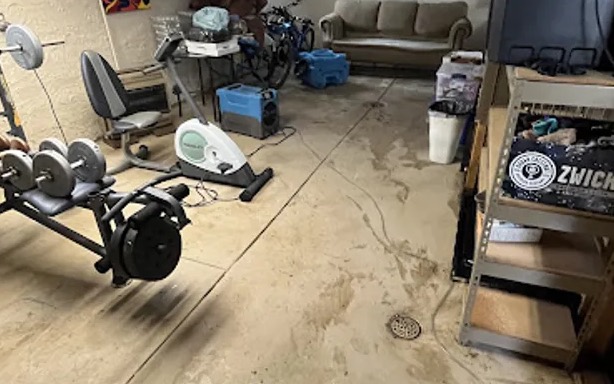
Warehouse Damage Restoration Services for Louisville
For properties in Louisville, a sewage backup can damage stock, equipment and concrete floors. After cleanup, drying and dehumidifying remove the moisture left in the structure.
Warehouses in Louisville can face water, sewage or fire damage that disrupts shipping. Local pros extract water and dry these large buildings, also serving properties in nearby areas like Jeffersonville, Clarksville and New Albany.
Warehouse Damage Restoration Services in Louisville
Industrial Storm Damage Restoration
For storm-damaged loading docks and roofs in Louisville, pros stop water coming in and protect stored goods.
Warehouse Water Damage Cleanup
Local water damage pros dry stock, walls and floors and document the damage for your insurer in Louisville.
Warehouse Mold Remediation Services
Wet cardboard and drywall in Louisville warehouses are removed behind containment while HEPA scrubbers clean the air.
Warehouse Flood Water Extraction
Industrial pumps remove standing water from large warehouse floors quickly, protecting stock and materials in Louisville.
Emergency Warehouse Water Removal
Large-scale pumps and vacuums handle big leaks and floods, shortening the drying time that follows.
Signs a Warehouse Needs Mold Remediation Services
Visible Mold Growth
Dark spots on walls or stored goods show areas that have stayed wet for too long.
Smoke or Soot Residue
A fine black dust on surfaces points to a fire and calls for soot cleanup.
Dripping From Roof Trusses
Dripping from roof trusses after a storm needs immediate action to stop the leak.
High Indoor Humidity Levels
A muggy feeling that lingers after a water event shows drying is not complete.
How Warehouse Damage Restoration Works in Louisville
Step 1: Flood Water Extraction
Large-scale extraction removes the bulk of floodwater from the warehouse floor and storage areas.
Step 2: Contamination Assessment and Containment
Pros check whether the water is contaminated and set up containment for sewage-affected areas.
Step 3: Commercial Drying and Dehumidification
Air movers and commercial dehumidifiers dry surfaces and the air until the structure is dry.
Step 4: Final Verification and Documentation
Moisture meters confirm drying, and photos and logs are prepared for your insurance review.
Leading Causes of Warehouse Property Damage
Electrical Fires From Faulty Wiring
Old or overloaded wiring can start fires that need soot cleanup and drying of firefighting water afterward.
Sewage Main Backups
City sewer problems can push contaminated water back up through floor drains and spread it across the slab.
Loading Dock Door Failures
A damaged dock door or failed seal lets wind-driven rain into the warehouse and onto the loading area floor.
HVAC Condensation Issues
Faulty commercial HVAC units can drip condensation that causes hidden moisture in walls, ceilings and insulation.
Industrial and Commercial Restoration in Louisville
Water Damage Help for Homes
A fire in a home garage leaves soot and water from firefighting, and pros clean and dry the space so it is usable.
Warehouse Damage Restoration for Owners and Managers
Warehouse fire cleanup covers soot on high ceilings, racking and machinery, plus removing water and saving goods where possible.
Warehouse Damage Restoration vs. DIY: When to Call Local Pros
If it is safe, move undamaged stock away from the water to a dry area. For standing water more than an inch deep or any electrical hazard, call the specialists.
Cost Considerations for Warehouse Water Damage Repair
In Louisville, the amount of structural drying needed and how easy the damaged areas are to reach shape the cost.
Warehouse Square Footage
The total area affected sets the labor, equipment and materials needed for the job.
Required Drying Time
How long dehumidifiers and air movers must run affects the project length and cost.
Structural Repairs Needed
Costs rise if drying reveals damaged columns, walls or floors that need repair.
Does Insurance Cover Warehouse Damage Restoration?
Coverage depends on your commercial policy and the cause of loss. The specialists document the damage with photos and readings for the claim, so confirm coverage with your insurer.
Benefits of Local Warehouse Damage Restoration Experts
Detailed Moisture Documentation
Moisture inspection and mapping give a clear record of the damage and the drying progress.
Content Cleaning Focus
Stock cleaning aims to save as much inventory, equipment and business property as possible.
Clear Communication
Pros explain the process and findings in plain terms and keep you informed at each phase.
Emergency Industrial Property Restoration in Louisville, KY
A burst sprinkler line or major roof leak needs immediate action. For emergency water removal in Louisville, call (502) 305-4876 for help, 24 hours a day.
Call Now (502) 305-4876Warehouse Damage Restoration Across Louisville and Neighboring Towns
The pros help industrial facilities in Louisville and neighboring places including Jeffersonville, Clarksville and New Albany.
Frequently Asked Questions About Commercial Restoration
What is the first step in emergency warehouse restoration?
A safety and damage assessment, followed right away by water extraction or board-up of openings.
What happens after industrial storm damage restoration?
Once drying is confirmed, a final walkthrough is done and the space is released for repairs.
How fast is emergency warehouse water removal initiated?
The specialists respond 24/7 and aim to start large-scale extraction as soon as possible.
What defines industrial storm damage restoration?
Emergency water removal, repairs to the roof and walls and full drying after wind, rain or flooding.
How is safety maintained during warehouse sewage cleanup?
The specialists use protective gear, containment zones and strict disposal rules for contaminated materials.